
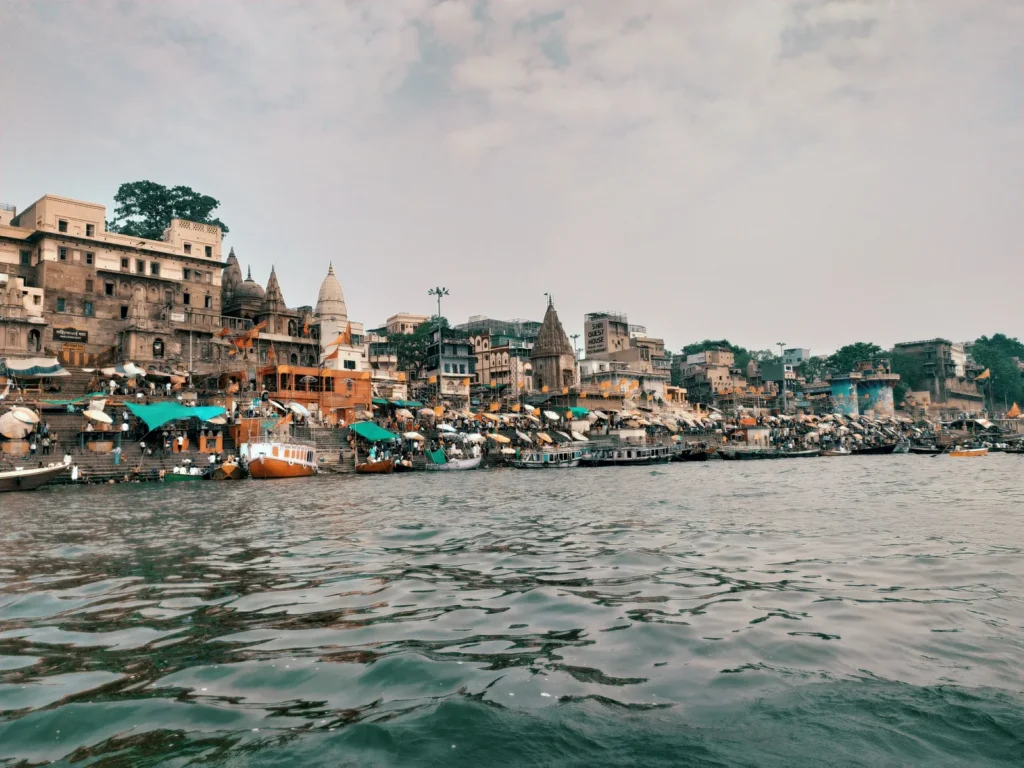
Prayag Tourism · Kashi • Banaras • Varanasi
Discover Varanasi — The Eternal City of Kashi
Explore the sacred Ganga, ancient temples, historic ghats, spiritual traditions, Buddhist heritage, vibrant lanes and timeless culture of Banaras.
Choose your next chapter
Sacred places & living traditions
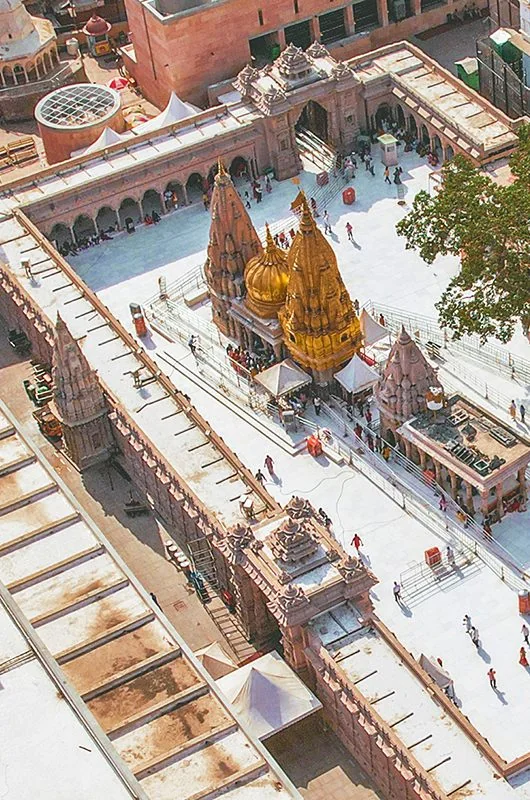
Temples of Varanasi
Varanasi's temples form a network of different deities, neighbourhoods and devotional practices. Kashi Vishwanath is a major focus, but smaller shrines reveal the diversity of the city's sacred life.
Explore guide →Kashi Vishwanath Temple
Kashi Vishwanath is a major Shiva pilgrimage destination in the old city and is revered among the Jyotirlinga shrines. Its importance comes from continuing devotion as well as the temple precinct itself.
Explore guide →Annapurna Devi Temple
Annapurna Devi is revered as a goddess of nourishment, linking the practical act of feeding people with religious life in Kashi. The shrine belongs to the old-city devotional landscape near Vishwanath.
Explore guide →Kal Bhairav Temple
Kal Bhairav is widely revered as Kashi's guardian, often described in local tradition as the city's kotwal. The shrine helps visitors understand a protective aspect of Shiva worship beyond the riverfront's best-known landmarks.
Explore guide →Sankat Mochan Hanuman Temple
Sankat Mochan is a Hanuman temple associated with the devotional world of Tulsidas. Its name expresses the devotee's hope for relief from difficulties, and worship remains the central reason many people come.
Explore guide →Durga Kund Temple
Durga Kund brings together a Goddess temple and its associated tank in southern Varanasi. It is a useful stop for understanding Shakta worship alongside the city's better-known Shiva traditions.
Explore guide →Tulsi Manas Temple
Tulsi Manas Temple gives the visitor a particularly clear connection between sacred literature and built space. Its marble surfaces and inscriptions honour the Ramcharitmanas tradition associated with Tulsidas.
Explore guide →New Vishwanath Temple, BHU
The New Vishwanath Temple stands within Banaras Hindu University and offers a different setting from Kashi Vishwanath in the old city. The university context is essential to understanding this visit.
Explore guide →Bharat Mata Temple
Bharat Mata Temple is unusual because its central object is a relief map rather than the customary image of a deity. It invites reflection on geography, nationhood and the public culture of its period.
Explore guide →Nepali Temple of Varanasi
The Nepali Temple near Lalita Ghat introduces a distinct architectural language to the riverfront. Its association with Nepal and worship of Shiva make it a useful place to consider connections across the Himalayan region.
Explore guide →Sankatha Devi Temple
Sankatha Devi is a neighbourhood Goddess shrine associated with the removal of distress. It offers a more local view of devotion than a route limited to the largest temple precincts.
Explore guide →Other Important Temples and Shrines of Varanasi
Kashi's sacred landscape extends far beyond a short list of headline temples. Smaller shrines often connect to a particular community, pilgrimage route or form of worship and deserve context rather than a hurried checklist.
Explore guide →No matching guides. Try a broader search.
Choose your next chapter
Along the ghats of the Ganga
Ghats of Varanasi
The ghats are the city's meeting place with the Ganga: stepped river edges used for worship, movement, gathering and everyday work. They are connected, but each has a name and history worth learning.
Explore guide →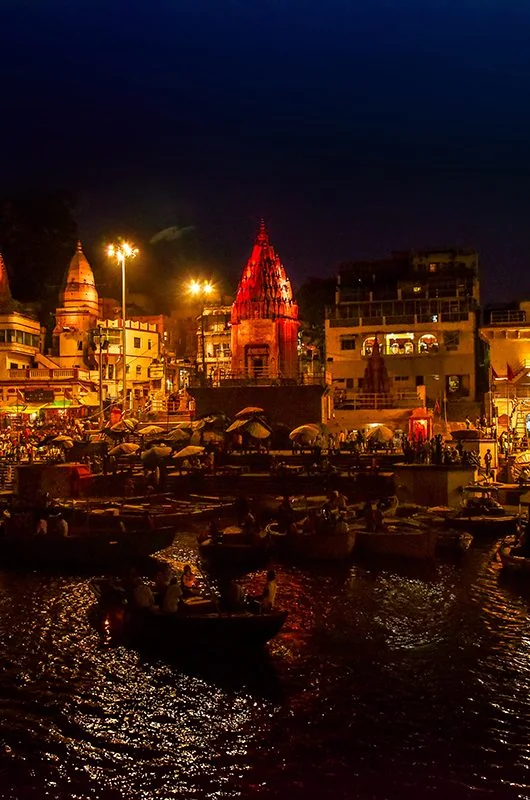
Dashashwamedh Ghat
Dashashwamedh Ghat is one of the riverfront's best-known gathering places and is closely associated with Ganga Aarti. Its central setting makes it an important orientation point, but also a place where crowd management matters.
Guide awaiting publicationAssi Ghat
Assi Ghat is a major southern riverfront gathering place associated with the Assi and Ganga and with the morning cultural programme Subah-e-Banaras. It is a useful starting point for a slower introduction to the city.
Guide awaiting publicationManikarnika Ghat
Manikarnika is an active cremation ghat and a place of profound religious importance for many Hindu families. Visitors should understand it first as a working space of bereavement and ritual, not as an attraction for spectacle.
Explore guide →Harishchandra Ghat
Harishchandra Ghat is another active cremation place on the riverfront. It is associated with the story of King Harishchandra and the moral ideal of truthfulness, while continuing to serve the needs of families today.
Explore guide →Panchganga Ghat
Panchganga Ghat is named for a sacred confluence of five rivers in religious tradition. Only the Ganga is visibly present; the fivefold association is a spiritual interpretation of the place, not five observable channels.
Explore guide →Kedar Ghat
Kedar Ghat is closely associated with Gauri Kedareshwar and with Shiva worship. The supplied sources emphasise connections with pilgrims from southern India, showing how Kashi accommodates many regional traditions.
Explore guide →Tulsi Ghat
Tulsi Ghat connects the riverfront with the memory of Tulsidas, Ramcharitmanas recitation and performance traditions. It is a useful place to see how literary heritage can remain part of public religious life.
Explore guide →Scindia, Lalita and Other Historic Ghats
Scindia, Lalita and other historic ghats reveal different forms of patronage and architecture along the river. This guide groups them for orientation without pretending they are one attraction or share one history.
Explore guide →Namo Ghat and Modern Riverfront
Namo Ghat represents a contemporary chapter in Varanasi's riverfront development. Its recognisable folded-hand sculptures make it visually different from the older stepped ghats and palace fronts.
Explore guide →No matching guides. Try a broader search.
Choose your next chapter
Heritage beyond the riverfront
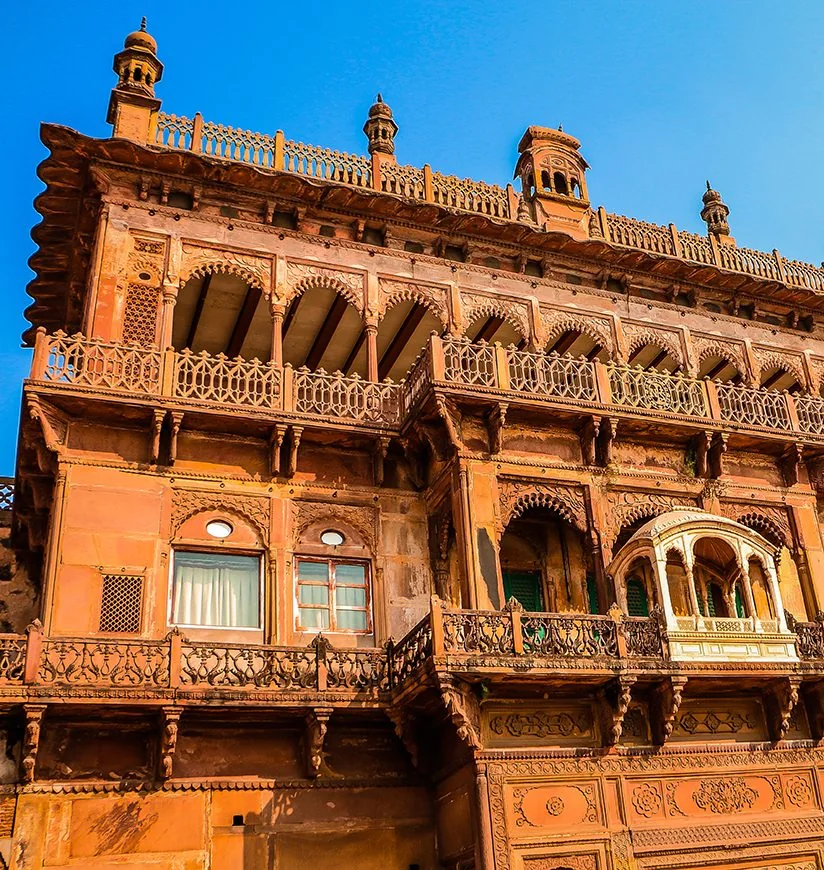
Tourist Attractions in Varanasi
Varanasi's attractions extend beyond temples and ghats. Archaeology, museums, royal collections, a university campus and craft institutions help make a balanced visit for people with different interests.
Explore guide →Sarnath
Sarnath is a major Buddhist pilgrimage and archaeological destination near Varanasi. Buddhist tradition associates it with the Buddha's first teaching after enlightenment, making it a distinct focus within a wider Kashi visit.
Explore guide →Dhamek Stupa and Sarnath Archaeological Sites
Dhamek Stupa is one of Sarnath's most recognisable monuments, but its value is clearer when seen within the wider archaeological landscape. The site connects Buddhist pilgrimage with the material remains of successive periods.
Explore guide →Sarnath Museum and Buddhist Monuments
Sarnath Museum provides the object-based counterpart to the archaeological site. The Lion Capital of Ashoka is a major focus, alongside sculptures and other finds that help explain the area's artistic and religious history.
Explore guide →Ramnagar Fort and Museum
Ramnagar Fort offers a view of Varanasi's royal and cultural history from across the Ganga. Its river-facing architecture and museum collections make it a different experience from a central ghat walk.
Explore guide →Banaras Hindu University and New Vishwanath Temple
Banaras Hindu University adds an important educational chapter to a Varanasi itinerary. It is a working university, and its appeal should be understood alongside the daily needs of students and staff.
Explore guide →Bharat Kala Bhavan Museum
Bharat Kala Bhavan is a museum within BHU that helps visitors move from seeing heritage in the streets to studying objects in a collection. Paintings, sculpture, textiles and manuscripts provide different routes into the region's cultural history.
Explore guide →Deendayal Hastkala Sankul
Deendayal Hastkala Sankul offers an institutional introduction to the handloom and craft traditions associated with Varanasi. It is useful for visitors who want context before shopping or visiting a workshop.
Explore guide →Varanasi Old City, Galis and Heritage Walk
The old city's galis are streets of work, worship and residence. A heritage walk is most rewarding when it explains how these functions coexist rather than presenting the lanes as a maze to conquer.
Explore guide →No matching guides. Try a broader search.
Choose your next chapter
Experience the rhythm of Banaras
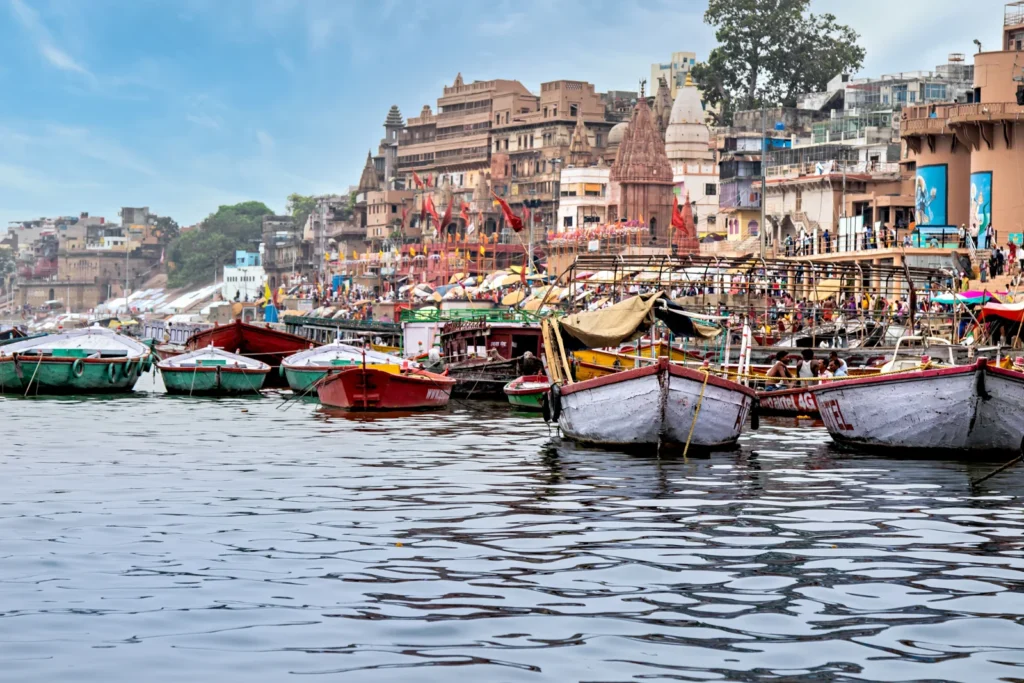
Things to Do in Varanasi
Things to do in Varanasi range from quiet observation to structured visits. The best selection depends on whether your interest is pilgrimage, history, culture, food or time beside the river.
Explore guide →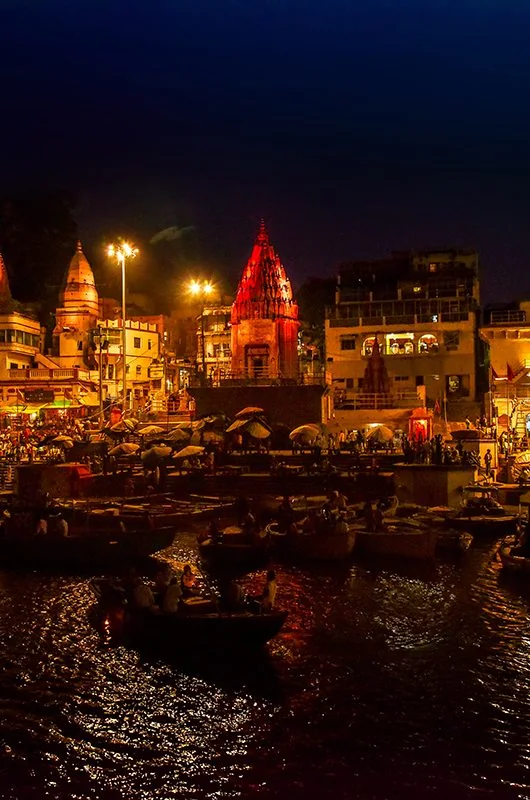
Ganga Aarti in Varanasi
Ganga Aarti is an act of reverence to the river, and attending it should begin with that understanding. Lamps, sound and coordinated ritual create a powerful public gathering, especially at well-known riverfront locations.
Explore guide →Ganga Boat Ride
A Ganga boat ride offers a broad view of the ghats, showing how temples, palaces and steps relate to the river. Sunrise and sunset produce different light and activity, but the safest route depends on conditions rather than a fixed promotional promise.
Explore guide →Subah-e-Banaras at Assi Ghat
Subah-e-Banaras is associated with the morning atmosphere at Assi Ghat, combining cultural and spiritual elements in a riverfront setting. It offers a different rhythm from an evening crowd at Dashashwamedh.
Explore guide →Varanasi Heritage and Walking Tours
A guided heritage walk can explain details that are easy to miss alone: a street name, a shrine at a doorway, a workshop process or the relationship between a lane and its ghat. Its quality depends on the guide's knowledge and respect for residents.
Explore guide →Temple Darshan and Kashi Pilgrimage Experiences
A Kashi darshan visit should begin with the traveller's devotional priorities. Some pilgrims follow inherited family customs, while others seek an introduction to the city's principal shrines.
Explore guide →Panchkroshi Yatra
Panchkroshi Yatra is a circumambulatory pilgrimage associated with Kashi's sacred geography. It is different from a short city sightseeing circuit and deserves preparation appropriate to its devotional and physical demands.
Explore guide →Yoga, Meditation and Spiritual Experiences
Yoga and meditation can offer a quieter way to spend time in Varanasi, but a riverfront setting alone does not establish a teacher's qualifications or the suitability of a practice. Choose an approach that matches your experience.
Explore guide →No matching guides. Try a broader search.
Choose your next chapter
Culture, food & festivals
Culture and Heritage of Banaras
Banarasi culture is sustained through performance, craft, language, food and neighbourhood life. Its richness comes from many communities and forms of work, not from a single uniform tradition.
Explore guide →Banarasi Silk Sarees and Traditional Weaving
Banarasi silk is associated with brocade, zari and skilled weaving, but the name on a shop sign does not by itself explain how a particular textile was made. A useful visit combines appreciation with informed questions.
Explore guide →Arts, Crafts and Handicrafts of Varanasi
Varanasi's craft traditions include more than textiles. Metal utensils, ritual objects, wooden work and other handmade products connect tourism with skills used in everyday and religious life.
Explore guide →Music, Literature and Performing Arts of Banaras
Music and literature are central to Banaras's cultural identity. Devotional recitation, classical performance and neighbourhood memory connect places such as Tulsi Ghat with a wider world of learning and artistic practice.
Explore guide →Famous Food of Varanasi
Food in Banaras is part of the rhythm of markets, neighbourhoods and festivals. A thoughtful food walk should introduce dishes and their context while leaving room for personal dietary needs and hygiene preferences.
Explore guide →Shopping in Varanasi
Shopping in Varanasi is most rewarding when each purchase has a clear purpose: a textile, an everyday craft object, a book or a small gift. Markets offer atmosphere as well as products, but informed comparison remains important.
Explore guide →Festivals of Varanasi
Varanasi's festival calendar follows several religious and cultural rhythms. The date of a celebration can shift in the Gregorian calendar, and local programmes may span more than one day.
Explore guide →Dev Deepawali in Varanasi
Dev Deepawali is closely associated with Kartik Purnima and the illumination of Varanasi's ghats. The lamps and riverfront gathering give it a distinctive place in the city's religious and visual calendar.
Explore guide →Maha Shivaratri and Other Major Religious Festivals
Maha Shivaratri is particularly significant in a city strongly associated with Shiva, but Varanasi also observes many other religious festivals. Different shrines and communities may organise distinct programmes.
Explore guide →Ganga Mahotsav and Cultural Events
Ganga Mahotsav and other cultural events offer opportunities to encounter performance within Varanasi's wider river-centred identity. They should be planned around a verified programme rather than an old tourism calendar.
Explore guide →No matching guides. Try a broader search.
Choose your next chapter
Make room for your kind of journey
About Varanasi
Kashi, Banaras and Varanasi are names encountered throughout a visit, each carrying associations with devotion, culture and place. They refer to a city that is simultaneously a pilgrimage destination, a centre of learning and a working urban community.
Explore guide →History of Varanasi
Varanasi's history is best read as a series of overlapping landscapes rather than one uninterrupted architectural period. Sacred narratives, archaeological sites, patron-built ghats and modern institutions each offer a different kind of evidence.
Explore guide →Religious and Spiritual Significance of Kashi
For many Hindu pilgrims, Kashi is associated with Shiva, the Ganga and the hope of liberation. These beliefs help explain journeys made here, but they should be presented as religious traditions rather than promises of a measurable outcome.
Explore guide →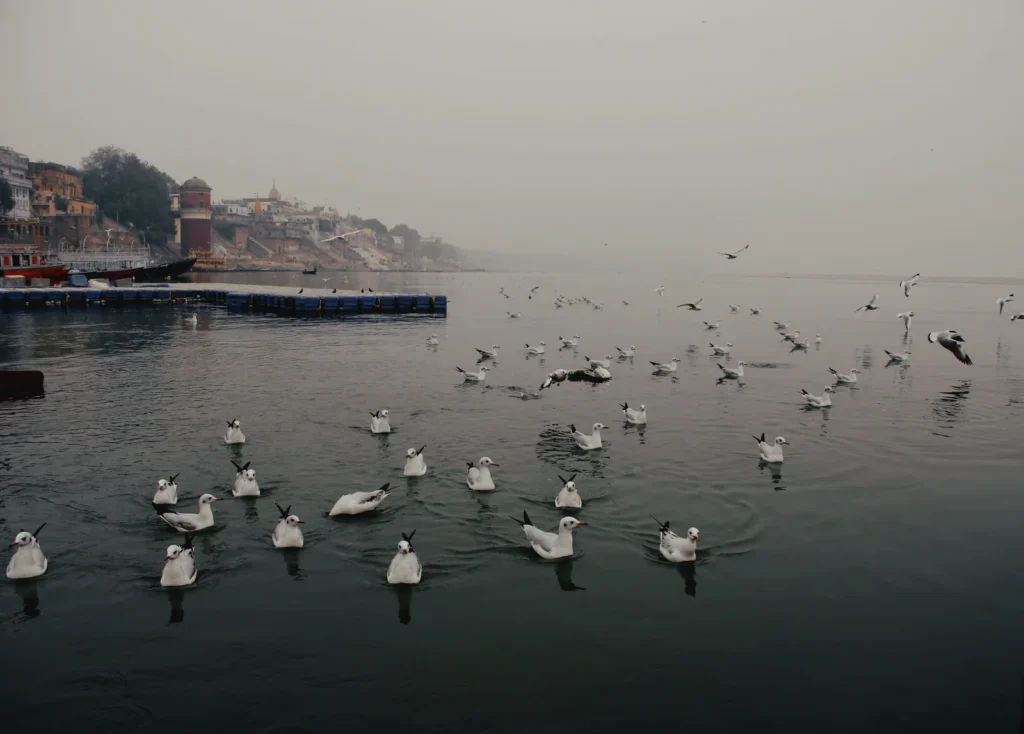
Geography of Varanasi and the River Ganga
The Ganga gives Varanasi its most recognisable public landscape, but the riverfront is part of a much larger city. Ghats connect streets and buildings to the river through steps, platforms and changing edges of water.
Explore guide →Varanasi for First-Time Visitors
A first visit works best when you decide what matters most before arriving. Choose a central temple experience, time beside the Ganga and one cultural or archaeological visit, then leave space for meals and rest.
Explore guide →Best Time to Visit Varanasi
The best time to visit depends on what you want from Varanasi: comfortable walking, a particular festival, photography or a pilgrimage observance. There is no single season that suits every traveller.
Explore guide →How to Reach Varanasi
Varanasi is reached by air, rail and road, but the final transfer into the old city often needs as much planning as the intercity journey. Confirm the exact arrival point before arranging a pickup.
Explore guide →Local Transport and Getting Around Varanasi
Getting around Varanasi means combining vehicle transfers with walking. A car is useful between separated areas, but the last approach to many old-city places is through lanes or steps.
Explore guide →Hotels, Guest Houses and Dharamshalas in Varanasi
Accommodation choices should begin with access and travel style rather than a room photograph alone. A riverfront guest house, a city hotel and a dharamshala can offer very different experiences and conditions.
Explore guide →Varanasi Travel Tips, Safety and Visitor Etiquette
A comfortable Varanasi visit depends on awareness of shared space: lanes carry deliveries, ghats host worship and work, and temples have their own rules. Courtesy and preparation help avoid unnecessary friction.
Explore guide →Varanasi with Family, Senior Citizens and Children
A family visit works best when the itinerary follows the needs of the least mobile or most easily tired person. Children, older travellers and adults can all enjoy Varanasi without completing an exhausting list of stops.
Explore guide →Varanasi Accessibility and Assistance for Pilgrims
Accessibility in Varanasi is highly route-specific. A destination may have a ramp in one area while its approach, toilet or viewing space still presents barriers, especially around older lanes and stepped ghats.
Explore guide →Varanasi Tour Packages
Varanasi tour packages should be compared by their actual scope, pace and terms. The ideas in this portal are proposed service categories and itinerary starting points, not a live inventory of confirmed departures.
Explore guide →One-Day Varanasi Darshan Tour
A one-day Varanasi darshan proposal should concentrate on the places that matter most to the group. It cannot reasonably promise every temple, museum and river experience without sacrificing time for worship and rest.
Explore guide →Two-Day Varanasi and Kashi Pilgrimage Tour
A two-day Kashi pilgrimage gives more space for devotional priorities than a compressed sightseeing day. It can separate the old-city shrines from southern-city temples and reduce repeated transfers.
Explore guide →Three-Day Varanasi Tour Package
A three-day Varanasi proposal can balance pilgrimage, archaeology and culture without treating every hour as a transfer. It suits travellers who want both the sacred city and time to understand its wider heritage.
Explore guide →Varanasi and Sarnath Tour Package
A Varanasi and Sarnath tour brings Hindu pilgrimage and Buddhist heritage into one journey while preserving their distinct contexts. It should allow enough time for the archaeological site and museum, not only a brief photograph at a stupa.
Explore guide →Customised Varanasi Pilgrimage Tour
A customised pilgrimage begins with a conversation about purpose. Some travellers want a particular darshan, others family ritual assistance, a slower senior-friendly visit or a wider circuit linking several sacred cities.
Explore guide →Varanasi Boat Booking and Enquiry
A boat enquiry should provide enough detail for a responsible operator to assess the request. The main choices are time of day, private or shared use, route and the needs of passengers.
Explore guide →Varanasi Taxi and Car Rental
A taxi request should describe the entire movement you need, including the final pedestrian approach where relevant. Varanasi's old city cannot be treated as a network of unrestricted car-accessible streets.
Explore guide →Varanasi Hotel Booking Assistance
Hotel assistance is most useful when it starts with practical requirements. Location, access and room facilities can matter more than a general category such as budget or premium.
Explore guide →Varanasi Local Guide and Tour Assistance
A local guide can add context, language support and route knowledge, but the service should be defined before the visit. A guide, driver and ritual provider perform different roles and should not be assumed to be interchangeable.
Explore guide →Places to Visit Near Varanasi
Nearby destinations can extend a Varanasi journey, but each addition changes the pace and logistics. Chunar, Vindhyachal, Prayagraj and Ayodhya serve different interests and should not be treated as quick interchangeable detours.
Explore guide →Chunar Fort and Excursion
Chunar offers a different perspective on the Ganga through its fort, town and historical associations. It is a separate excursion, not simply another stop on the Varanasi ghat walk.
Explore guide →Vindhyachal and Vindhyavasini Devi Temple
Vindhyachal is a Goddess pilgrimage destination associated with Vindhyavasini Devi. It adds a different devotional focus to a Kashi journey rather than repeating the same city-temple experience.
Explore guide →Prayagraj from Varanasi
Prayagraj provides a natural thematic extension for travellers interested in the Ganga and pilgrimage. The Sangam introduces a different sacred landscape from Varanasi's continuous ghat frontage.
Explore guide →Ayodhya from Varanasi
Ayodhya can be combined with Varanasi for a broader pilgrimage, but it deserves its own time and access planning. The journey should support the traveller's purpose rather than simply increase the number of cities visited.
Explore guide →Varanasi–Prayagraj–Ayodhya Spiritual Circuit
A Varanasi–Prayagraj–Ayodhya circuit links three distinct sacred landscapes: Kashi's temples and ghats, the Sangam at Prayagraj and Ayodhya's devotional heritage. A good circuit leaves room to experience each rather than rushing between them.
Explore guide →One-Day Varanasi Sightseeing Itinerary
A one-day sightseeing itinerary should be selective. The aim is to leave with a coherent impression of Varanasi rather than a list of places glimpsed from a vehicle.
Explore guide →Two-Day Varanasi Sightseeing Itinerary
Two days allow Varanasi's riverfront and cultural institutions to be experienced at a more comfortable pace. The most useful division is by area and interest rather than an equal number of attractions each day.
Explore guide →Three-Day Varanasi and Sarnath Itinerary
A three-day Varanasi and Sarnath itinerary can give sacred, archaeological and everyday cultural experiences their own space. It is particularly useful for visitors who prefer explanation and observation to a fast checklist.
Explore guide →Varanasi Photography Guide and Responsible Photography Etiquette
Responsible photography begins with recognising that Varanasi is home and workplace as well as a destination. A compelling image should not depend on intrusion, pressure or unsafe positioning.
Explore guide →Seasonal Travel Guide
Seasonal planning changes the shape of a Varanasi day more than the basic list of attractions. Heat, rain, river level, visibility and crowd patterns affect when and how a place can be visited.
Explore guide →No matching guides. Try a broader search.
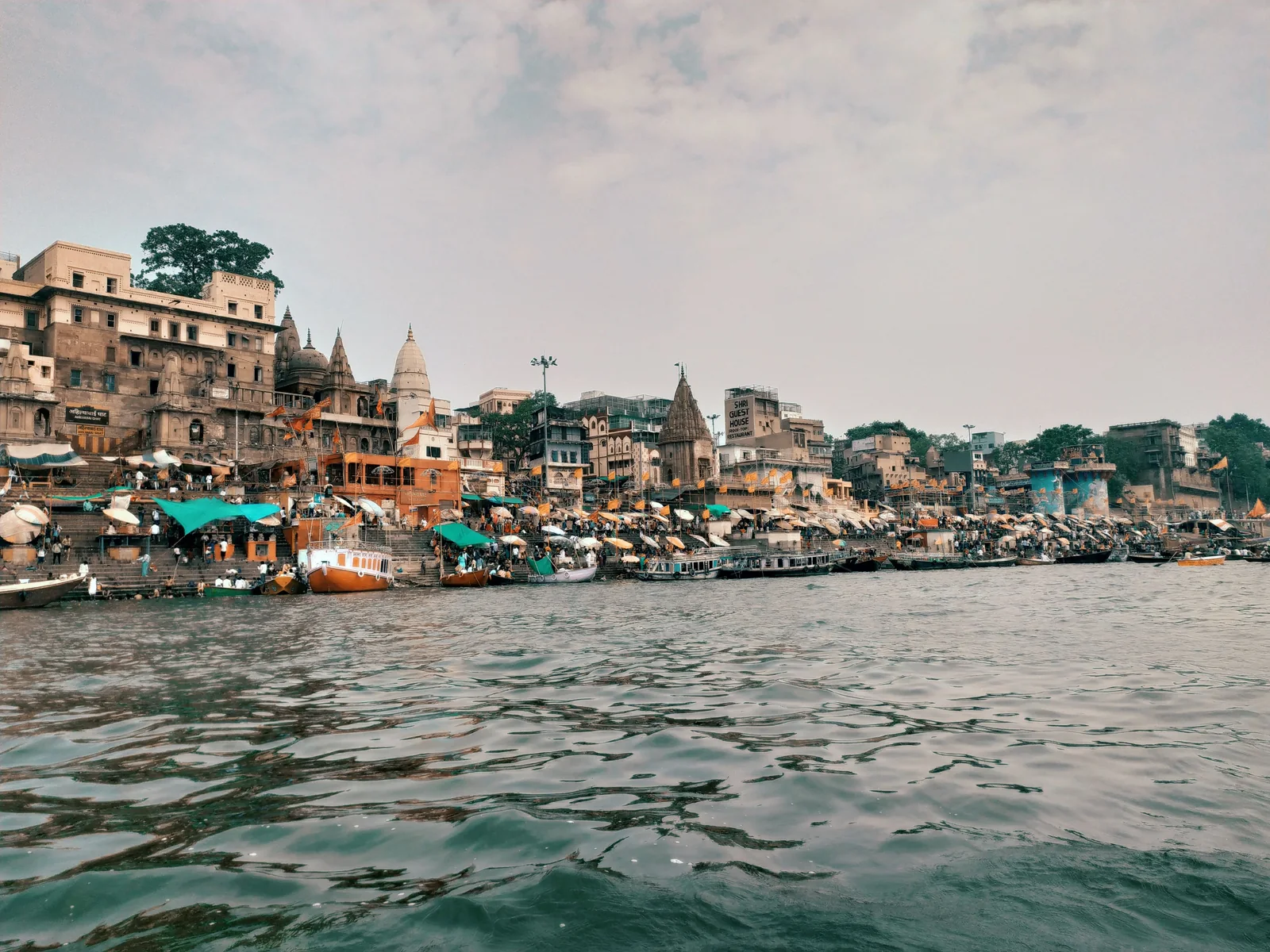
1. Introduction: Standing on the Amphitheatre of Time
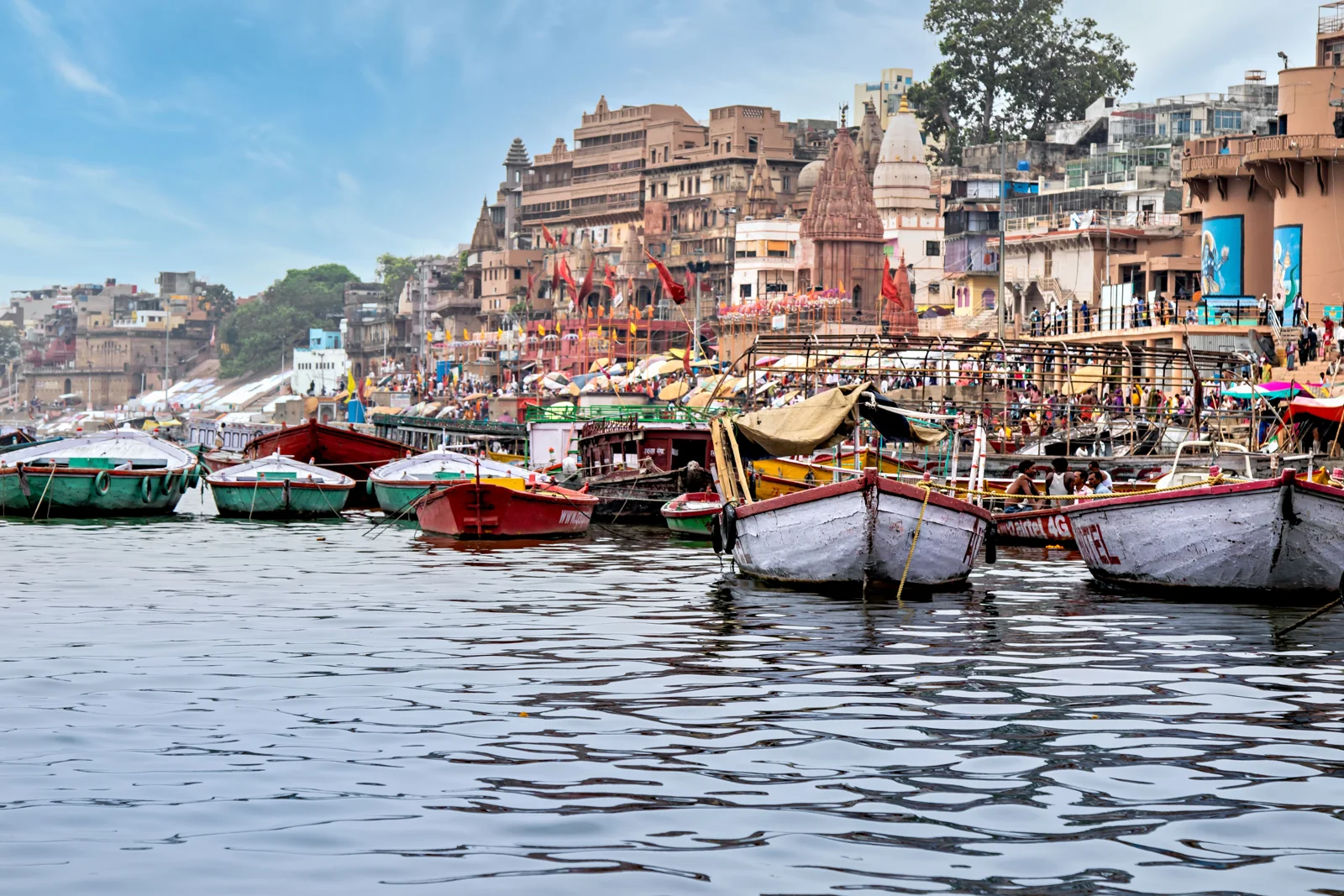
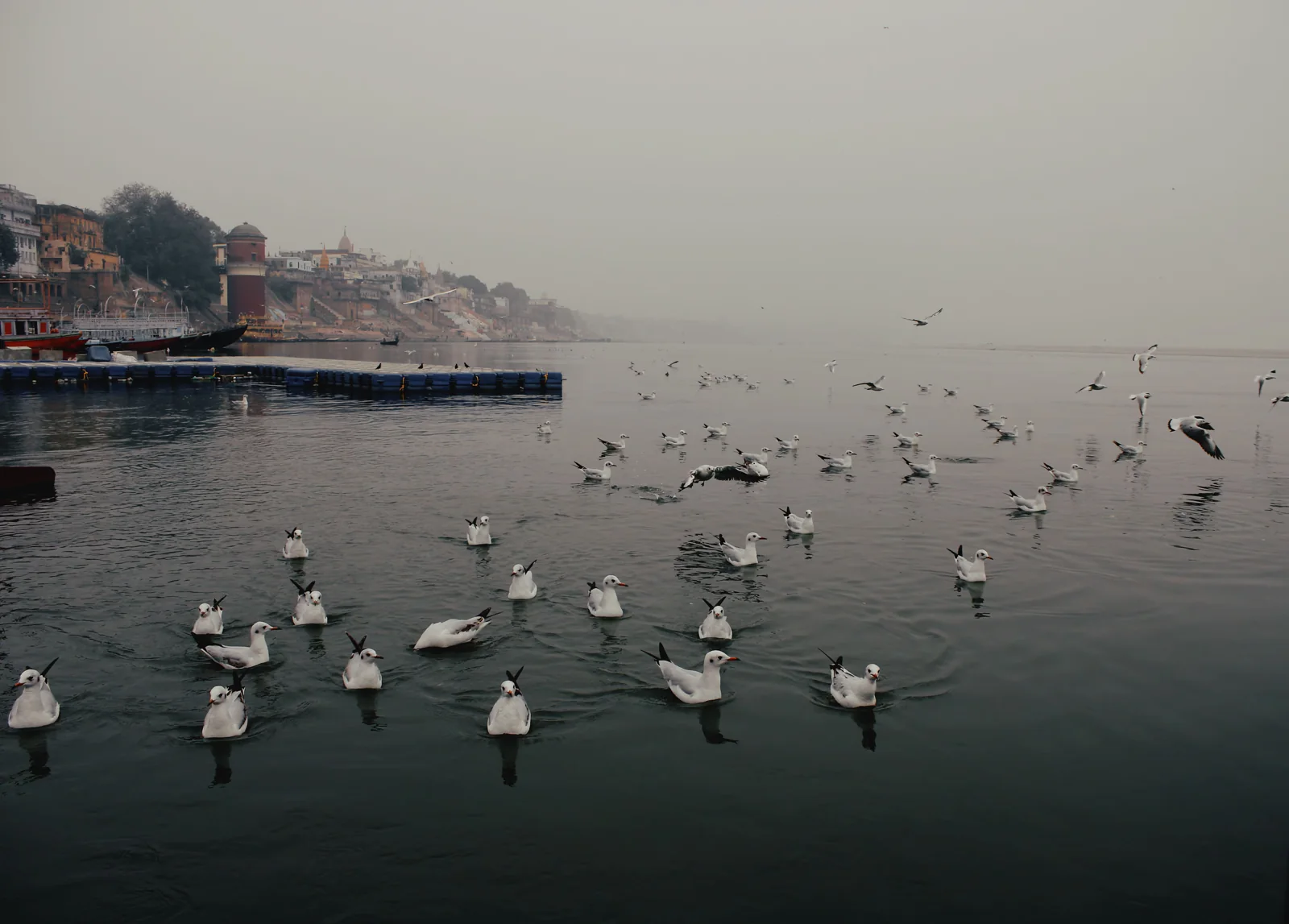
When the pre-dawn mist lifts off the western bank of the River Ganga in eastern Uttar Pradesh, it reveals a crescent-shaped stone amphitheatre stretching for nearly seven kilometres from the confluence of the Assi stream in the south to the Varuna river in the north. Temple spires plated in gold and carved from pink Chunar sandstone catch the first amber light of day, while wooden rowboats glide silently across water that millions of pilgrims revere as a living goddess. This is Varanasi—known in ancient Hindu scriptures as Kashi (“The Luminous City”) and celebrated across historical chronicles and classical music traditions as Banaras (District Varanasi Official Portal).
For over three millennia of documented human settlement, Varanasi has stood at the crossroads of Indian philosophy, sacred geography, Sanskrit scholarship, Buddhist monasticism, Jain asceticism, Bhakti poetry, and handloom artistry. Unlike ancient capitals whose monuments survive only as silent archaeological ruins, Varanasi remains a continuously inhabited, intensely active urban organism. In its serpentine galis (flagstone lanes) and across its 85 riverfront ghats, Vedic chhandas chanted by young students at traditional pathshalas mingle with the clatter of handlooms weaving gold zari into Banarasi silk and the aroma of boiling milk and cardamom rising from iron cauldrons. Whether you arrive as a Hindu devotee seeking the blessings of Shri Kashi Vishwanath Temple, a Buddhist pilgrim walking the manicured deer park of UNESCO-inscribed Sarnath, or a cultural traveller exploring India’s UNESCO Creative City of Music, this comprehensive Varanasi tourism guide serves as your central gateway to understanding, navigating, and experiencing the eternal city.
2. Why Varanasi Holds a Unique Place in World Civilisation
Every major pilgrimage centre in India embodies a distinct spiritual theme, yet Varanasi integrates birth, worldly learning, artistic refinement, and final liberation (moksha) within a single sacred boundary. Situated on an elevated natural ridge of kankar (calcareous limestone) along the western bank of the Ganga, the city witnesses a rare geographical phenomenon: the river, which flows generally southeastward across the Gangetic plains from the Himalayas toward the Bay of Bengal, makes a sweeping northward turn (Uttarvahini) directly along the Varanasi riverfront (Varanasi Ghats Book (Final).pdf). In Hindu sacred geography, a northward-flowing stretch of the Ganga—pointing back toward its Himalayan source and the abode of Lord Shiva at Mount Kailash—is considered supremely auspicious for ritual bathing (snan), charity (daan), and ancestral offerings (tarpan).
Equally remarkable is the city’s pluralistic spiritual fabric. While Kashi is revered as the Avimukta Kshetra—the sacred zone never forsaken by Lord Shiva—its immediate cultural landscape embraces four of the twenty-four Jain Tirthankaras (Suparshvanath at Bhadaini/Jain Ghat, Chandraprabhu at Chandrawati, Shreyanshnath at Sarnath, and Parshvanath at Bhelupur), the historical site where Gautama Buddha turned the Wheel of Law (Dharmachakra Pravartana) at Sarnath, the reformist verses of 15th-century mystic poet Kabir at Kabir Chaura and Lahartara, the egalitarian hymns of Guru Ravidas at Seer Govardhanpur, and the 1507 CE discourse of Guru Nanak Dev Ji preserved at Gurdwara Guru Ka Bagh (1760321416169VettedStoriesofKashi-SarnathPoIs.pdf).
3. Historical Evolution and Sacred Significance
Archaeological excavations conducted at Rajghat, adjacent to the Varuna-Ganga confluence on the northern plateau of the city, have uncovered Northern Black Polished Ware (NBPW), earthen ramparts, and terracotta seals dating continuous urban settlement back to at least the 9th to 8th centuries BCE. During the 6th century BCE, Kashi flourished as one of the sixteen Mahajanapadas (great kingdoms) of ancient India, renowned for its fine cotton and silk textiles, horse trade, and philosophical debates. Under Emperor Ashoka in the 3rd century BCE, the suburban sanctuary of Sarnath was monumentalised with monolithic Chunar sandstone pillars and brick stupas, culminating in the Gupta-era artistic Golden Age (4th to 6th centuries CE) that produced the famous Sarnath school of sculpture (Sarnath Museum | Incredible India).
During the 11th and 12th centuries CE, the Gahadavala dynasty ruled from Varanasi and Kannauj, patronising major temple complexes and codifying the city’s sacred topography, a legacy still visible in the 12th-century stone architecture of Kardameshwar Mahadev Temple at Kandwa. After periods of medieval upheaval and temple demolitions between the late 12th and late 17th centuries, the 18th and 19th centuries witnessed an extraordinary pan-Indian architectural renaissance. Maratha Peshwas, Queen Ahilyabai Holkar of Indore, the Scindias of Gwalior, the Bhonsles of Nagpur, Rajput rulers of Amber and Udaipur, Maharaja Ranjit Singh of Punjab, and zamindars from Bengal built the stone ghats, riverfront palaces, and Nagara-style temples that define the city’s skyline today (Ganga Ghat | District Varanasi).
4. Famous Temples and Sacred Shrines of Kashi
The devotional heart of the city is Shri Kashi Vishwanath Temple, enshrining the Jyotirlinga of Lord Shiva as Vishweshwara (“Lord of the Universe”). Rebuilt in 1780 CE by Maharani Ahilyabai Holkar and crowned with approximately 800 kilograms of gold plating donated by Maharaja Ranjit Singh in 1835 CE, the temple is now connected directly to Lalita Ghat and Manikarnika Ghat via the expansive Shri Kashi Vishwanath Dham corridor, inaugurated in December 2021.
Surrounding Vishwanath in a protective mandala are shrines essential to a complete pilgrimage:
- Annapurna Devi Temple: Built in 1729 CE by Maratha Peshwa Bajirao I right beside the Vishwanath complex, dedicated to the Goddess of Nourishment and famous for its daily free annakshetra (community kitchen) and annual Dhanteras golden idol darshan (1760321416169VettedStoriesofKashi-SarnathPoIs.pdf).
- Kal Bhairav Temple: Situated in the old lanes of Visheshwarganj/Kotwali and rebuilt in 1817 CE by Bajirao Peshwa II, housing the fierce Kotwal (divine magistrate) of Kashi whose permission pilgrims traditionally seek upon arrival and departure (Temples Of Importance | District Varanasi).
- Sankat Mochan Hanuman Temple: Founded in the 16th century by saint-poet Goswami Tulsidas near the Assi stream, where devotees gather to chant the Hanuman Chalisa and offer besan ladoos.
- Durga Kund Temple, Tulsi Manas Mandir & New Vishwanath Temple (BHU): Representing 18th-century red-ochre Nagara architecture beside a stepped tank, 20th-century marble walls engraved with the entire Ramcharitmanas, and a soaring 250-foot marble-and-sandstone spire inside the Banaras Hindu University campus (Banaras Hindu University Official Portal).(Explore our complete directory in VAR-007: Temples of Varanasi at /varanasi/temples/.)
5. The Ghats of the Sacred Ganga Riverfront
Stretching roughly 6.8 kilometres along the western arc of the river, Varanasi’s 84 historic ghats—joined in 2023 by the modern, accessible 85th riverfront promenade at Namo Ghat (Khidkiya Ghat)—serve as the stage for human life and ritual (Namo Ghat Varanasi Guide). Five ghats are venerated in the Kashi Khanda as the Pancha Tirthis (five supreme fords): Assi Ghat in the south, Dashashwamedh Ghat at the city centre, Adi Keshav Ghat at the Varuna confluence in the north, Panchganga Ghat, and Manikarnika Ghat (Kashi Yatra by Anu Shankar.pdf). While Dashashwamedh pulses with vibrant evening rituals and Assi hosts morning classical music and yoga, Manikarnika Ghat and Harishchandra Ghat function as solemn, active 24-hour cremation grounds (Mahashmashana) where visitors must observe strict respectful silence and refrain from photography.(Read our complete riverfront guide in VAR-019: Ghats of Varanasi at /varanasi/ghats/.)
6. Signature Experiences: Ganga Aarti, Boat Rides and Subah-e-Banaras
Three experiential pillars define a visit to Varanasi:
- The Evening Ganga Aarti: Performed daily just after sunset at Dashashwamedh Ghat (and in calmer arrangements at Assi Ghat, Rajendra Prasad Ghat, and Namo Ghat), where priests dressed in silk dhotis offer synchronized prayers with multi-tiered brass lamps (chamar, nagphani, incense, and conch shells) to Mother Ganga.
- Sunrise and Sunset Boat Rides: Boarding a hand-rowed wooden boat (bajra) or regulated CNG motorboat at dawn allows travellers to witness the golden sunlight illuminating palace facades from Assi Ghat to Manikarnika Ghat (VAR-040 at /varanasi/experiences/boat-ride/).
- Subah-e-Banaras: Launched on November 24, 2014 at Assi Ghat, this free daily dawn programme begins in Brahma Muhurta (5:00 AM in summer; 5:30 AM in winter) with Vedic yajna conducted by women priests, morning raag recitals by Banaras Gharana musicians, and guided community yoga (Subah-e-Banaras Official Portal).
7. Sarnath and Heritage Attractions Beyond the Riverfront
Ten kilometres northeast of Varanasi Junction lies Sarnath (Mrigadava or Isipatana), where Gautama Buddha delivered his first sermon to five ascetics after attaining enlightenment at Bodh Gaya. Inscribed on the UNESCO World Heritage List on July 25, 2026 as India’s 45th World Heritage Site (Sarnath UNESCO World Heritage Guide), Sarnath encompasses the 43.6-metre-high Dhamek Stupa, the Chaukhandi Stupa, the Mulagandha Kuti Vihara (adorned with Kosetsu Nosu’s frescoes), international Buddhist monasteries, and the Sarnath Archaeological Museum (closed Fridays), which houses the original Mauryan Lion Capital of Ashoka—India’s National Emblem. Across the Ganga on the eastern bank stands the 18th-century Ramnagar Fort and Museum, while within the city visitors can explore Bharat Kala Bhavan at BHU and the Deendayal Hastkala Sankul trade and craft museum at Bada Lalpur (Deendayal Hastkala Sankul | District Varanasi).
8. Culture, GI-Tagged Banarasi Silk, Local Cuisine and Festivals
Recognised by UNESCO as a Creative City of Music, Banaras is the cradle of the Banaras Gharana, nurtured by legends such as Bharat Ratna Ustad Bismillah Khan, Pandit Ravi Shankar, Padma Vibhushan Girija Devi, and Pandit Kishan Maharaj (Varanasi UP tousim2.pdf). In the weaving clusters of Madanpura, Alaipura, Lallapura, and Lohta, master karigars weave Banarasi Brocades and Sarees—protected since September 2009 under Geographical Indication (GI) Application No. 99 (Banarasi Saree GI Tag Analysis).
For culinary enthusiasts, the city’s sattvic and street-food repertoire offers crisp morning kachori-sabzi with jalebi in Kachori Gali, smoky clay-cup kulhad chai, tangy tamatar chaat, winter malaiyyo whipped from saffron-infused milk dew, and GI-tagged Banarasi Paan (VAR-050 at /varanasi/food/). Culturally, the calendar peaks during Dev Deepawali on Kartik Purnima—when over a million earthen lamps (diyas) illuminate every ghat step—alongside Maha Shivaratri, the month-long UNESCO-recognised Ramlila at Ramnagar, Ganga Mahotsav, and Nag Nathaiya at Tulsi Ghat (VAR-052 at /varanasi/festivals/).
9. Best Time to Visit, How to Reach, Itineraries and Nearby Spiritual Circuits
The ideal season to visit Varanasi is October to March, when daytime temperatures range comfortably between 15°C and 28°C, though December and January mornings can bring dense Gangetic fog affecting rail and flight schedules (VAR-056 at /varanasi/best-time-to-visit/). The city is served by Lal Bahadur Shastri International Airport (VNS) at Babatpur (approximately 25–26 km northwest of the old city) and four principal railway hubs: Varanasi Junction / Cantt (BSB), Banaras Station (BSBS / Manduadih), Varanasi City (BCY), and Pt. Deen Dayal Upadhyaya Junction (DDU), located roughly 18 km across the Ganga (How to Reach BHU & Varanasi).
Whether you have 24 hours for a focused Kashi Darshan (VAR-079), 48 hours to pair the old city with Sarnath (VAR-080), or three to seven days to connect Varanasi with Prayagraj (120–125 km via NH-19), Vindhyachal (65–70 km), Chunar Fort (40 km), and Ayodhya (200–220 km) (VAR-078 at /varanasi/nearby-places/spiritual-circuit/), PrayagTourism.com provides verified travel guides and ground-level assistance for a peaceful, well-organised journey.
10. Complete Portal Navigation Directory (All 10 Categories)
Use this master hub to navigate directly to every section of the Varanasi Tourism Portal:
- Category I & J – Nearby Circuits & Itineraries: Nearby Places (/varanasi/nearby-places/), Chunar (/varanasi/nearby-places/chunar/), Vindhyachal (/varanasi/nearby-places/vindhyachal/), Prayagraj (/varanasi/nearby-places/prayagraj/), Ayodhya (/varanasi/nearby-places/ayodhya/), Spiritual Circuit (/varanasi/nearby-places/spiritual-circuit/), 1-Day Itinerary (/varanasi/itineraries/one-day/), 2-Day Itinerary (/varanasi/itineraries/two-day/), 3-Day Itinerary (/varanasi/itineraries/three-day/), Photography Etiquette (/varanasi/photography-guide/), Seasonal Guide (/varanasi/seasonal-travel-guide/).
C. Practical Visitor Information
Information
Details
Location
Varanasi District, Eastern Uttar Pradesh, India (25.3176° N, 82.9739° E; Elevation: ~80.71 metres above sea level) (District Varanasi Official Portal)
How to Reach
By Air: Lal Bahadur Shastri International Airport (VNS), Babatpur (~26 km from Godowlia). By Rail: Varanasi Junction (BSB), Banaras Station (BSBS), Varanasi City (BCY), and Pt. Deen Dayal Upadhyaya Junction (DDU, ~18 km). By Road: Connected via NH-19 (Delhi–Prayagraj–Varanasi–Kolkata), NH-31, and NH-35 (How to Reach BHU & Varanasi).
Best Time to Visit
October to March (pleasant winter weather, 10°C–28°C; ideal for ghat walks, boat rides, and Dev Deepawali). Monsoon (July–September) brings high river levels and Shravan pilgrimage crowds; Summer (April–June) exceeds 40°C.
Visiting Hours
Public ghats are open 24 hours daily. Shri Kashi Vishwanath Temple opens at 2:45 AM (Mangala Aarti) and closes at 11:00 PM (general darshan from 4:00 AM). Sarnath Archaeological Park opens 6:00 AM–6:00 PM daily; Sarnath Museum opens 9:00 AM–5:00 PM (Closed Fridays).
Entry Fee
Ghat access, Ganga Aarti viewing from steps, and general temple darshan are free. Special temple aartis/Sugam Darshan (₹300–₹500) and ASI monuments at Sarnath/Ramnagar Fort carry official ticket tariffs (confirm current rates on official portals prior to travel).
Duration Required
Minimum 2 to 3 Days (Estimated) to cover Kashi Vishwanath, old city temples, sunrise/evening boat rides, Sarnath, and Ramnagar Fort comfortably.
Nearby Attractions
Sarnath (10 km), Ramnagar Fort (14 km), Chunar Fort (40 km), Vindhyachal Shaktipeeth (65–70 km), Prayagraj Triveni Sangam (120–125 km), Ayodhya Dham (200–220 km).
Visitor Advice
Dress modestly covering shoulders and knees; leave leather items, mobile phones, smartwatches, and cameras in hotel rooms or official lockers before entering Kashi Vishwanath security zones; never photograph active cremations at Manikarnika or Harishchandra Ghats.
D. Frequently Asked Questions (FAQs)
- How many days are needed to explore Varanasi and Sarnath properly?A minimum of two full days (three nights) is recommended for most travellers. Day 1 allows you to experience a sunrise boat ride, Kashi Vishwanath and Annapurna darshan, Kal Bhairav, and the evening Ganga Aarti at Dashashwamedh Ghat, while Day 2 covers Subah-e-Banaras at Assi Ghat, BHU, Sankat Mochan, and a half-day excursion to Sarnath.
- Are mobile phones and bags allowed inside Kashi Vishwanath Temple?Security regulations inside the inner sanctum zone of Shri Kashi Vishwanath Temple strictly prohibit mobile phones, cameras, smartwatches, electronic gadgets, tobacco, and leather bags. Free cloakrooms and digital locker facilities are available along the Kashi Vishwanath Dham corridor entrances, though leaving non-essential electronics at your hotel saves significant queue time (Shri Kashi Vishwanath Official Web Portal).
- Which day of the week is the Sarnath Archaeological Museum closed?The Sarnath Archaeological Museum—where the original Lion Capital of Ashoka is displayed—is closed every Friday. However, the adjacent Dhamek Stupa archaeological park and international Buddhist monasteries remain open daily from sunrise to sunset (Sarnath UNESCO World Heritage Guide).
- Is Varanasi suitable for senior citizens and wheelchair users?Yes, accessibility has improved substantially with the Kashi Vishwanath Dham corridor (which features ramps, escalators, and golf-cart/wheelchair assistance from Lalita Ghat and road gates) and the modern Namo Ghat (which has step-free ramps and dedicated riverside parking). Senior citizens should still avoid peak festival crowds and stay in vehicle-accessible areas like Cantonment, Sigra, or Assi (VAR-062 at /varanasi/accessibility/).
- Can I combine Varanasi, Prayagraj, and Ayodhya in a single trip?Yes, the Varanasi–Prayagraj–Ayodhya triangle is North India’s premier spiritual circuit. Prayagraj is approximately 120–125 km (2.5 to 3 hours by road via NH-19) west of Varanasi, and Ayodhya is roughly 200–220 km (4 to 4.5 hours via NH-31/Purvanchal Expressway link) northwest (VAR-078 at /varanasi/nearby-places/spiritual-circuit/).
- How can I book verified boats, taxis, or guided tours in Varanasi?You can review suggested itineraries in our tour package section (/varanasi/tour-packages/) and contact PrayagTourism to enquire about current availability, fixed-fare private cabs, life-jacket-equipped boat rides, and customised pilgrimage arrangements.
Existing Prayag Tourism guides and trips
These links preserve the existing website content. Trip details and availability belong to the established booking system.
A journey shaped around you
Plan your time in Kashi
Tell us your dates, interests and travel needs. Request a tailored proposal with clear inclusions before confirming any service.
Enquiry only · Availability and prices require confirmation · No payment is taken here