
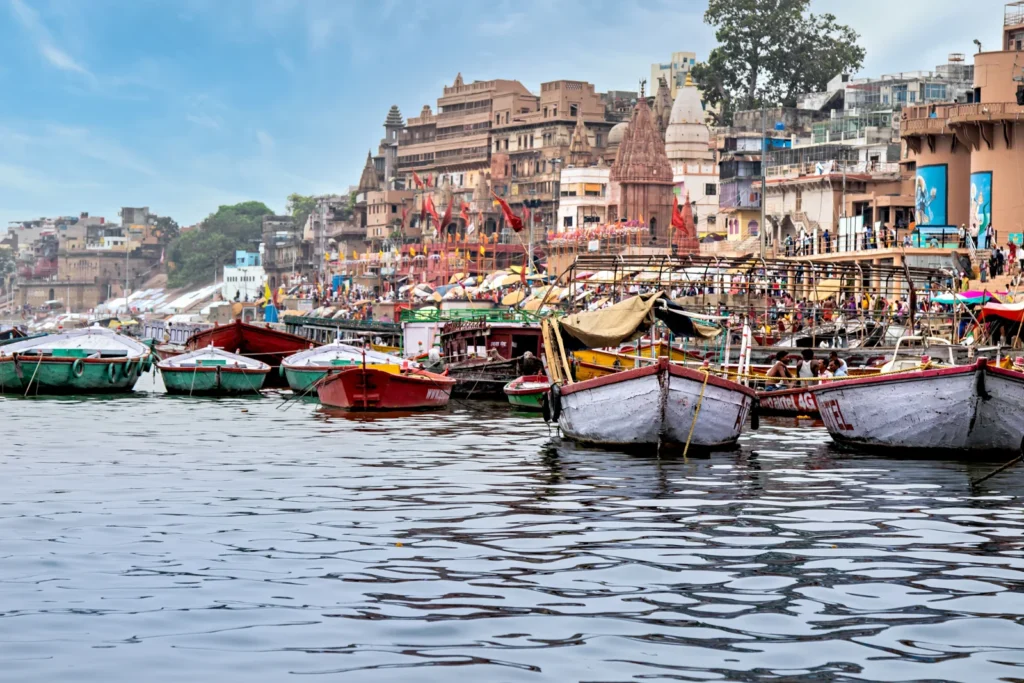
Prayag Tourism · Travel
Varanasi for First-Time Visitors
A first visit works best when you decide what matters most before arriving. Choose a central temple experience, time beside the Ganga and one cultural or archaeological visit, then leave space for meals and rest.
1. Introduction: Preparing for the Sensory Reality of Banaras
Almost every traveller who plans a first journey to Varanasi hears two contrasting descriptions before arriving. One paints a serene watercolour of saffron-robed sages meditating on sunlit steps while classical sitar notes float across the Ganga; the other warns of honking e-rickshaws, labyrinthine flagstone alleys (galis) shared with wandering bulls, intense security queues, and the raw emotional confrontation of open-air cremation fires (Other Important Places | District Varanasi). Both descriptions are completely true—often within fifty metres of each other.
The difference between a stressful, overwhelming trip and a deeply rewarding pilgrimage or cultural holiday lies almost entirely in pre-trip orientation. Once you understand how the city is spatially divided, why vehicles stop outside the old riverfront zone, what you can and cannot carry into major temples, and how to pace your days around dawn and dusk, Varanasi transforms from an intimidating maze into one of the most welcoming, unforgettable cities on earth.
2. Understanding the Five Spatial Zones of Varanasi
First-time visitors frequently book a hotel or train ticket without realising how distinct Varanasi’s neighbourhoods are (VAR-057, VAR-059):
- The Old City & Central Ghat Core (Godowlia, Chowk, Dashashwamedh, Vishwanath Gali): The historic heart surrounding Shri Kashi Vishwanath Temple and Dashashwamedh Ghat. Four-wheeled vehicles and auto-rickshaws are restricted from entering the final 500–800 metres during peak hours. If you stay here, you enjoy immediate walking access to the riverfront and dawn rituals, but you must be prepared to carry your luggage (or hire a porter) through narrow pedestrian lanes.
- The Southern Riverfront (Assi Ghat, Bhadaini, Shivala, Lanka / BHU): A much calmer, greener, and more open riverfront zone. Cars and cabs can drive right up to Assi Ghat, cafes and bookstores line the streets, Subah-e-Banaras unfolds every morning, and the leafy campus of Banaras Hindu University (BHU) sits just 1.5 to 2 km south (Subah-e-Banaras Official Portal). This is widely considered the best base for first-time travellers, families, and international visitors who want river access without old-city congestion.
- Cantonment (Cantt / The Mall), Nadesar & Sigra: Located 3 to 5 km inland near Varanasi Junction (BSB) railway station (Varanasi UP tousim2.pdf, p. 82). Home to wide tree-lined avenues, business and luxury star hotels, and effortless cab access to the airport and highways—ideal for senior citizens, business travellers, and families with heavy luggage.
- The Northern Riverfront (Rajghat & Namo Ghat): Anchored by the modern, step-free promenade of Namo Ghat (Khidkiya Ghat) under the Malviya Bridge, featuring dedicated car/bus parking right at the water’s edge, food courts, and water-taxi terminals (Namo Ghat Varanasi Guide).
- Sarnath (10 km Northeast): A peaceful suburban sanctuary housing the UNESCO World Heritage Buddhist ruins, Dhamek Stupa, and Sarnath Museum (Sarnath UNESCO World Heritage Guide).
3. Mastering the Daily Rhythm: The “Dawn and Dusk” Rule
In Varanasi, trying to sightsee continuously from 9:00 AM to 5:00 PM—especially outside peak winter—is the fastest way to exhaust yourself. Seasoned travellers follow the two-shift Banaras rhythm:
- Shift 1 – Brahma Muhurta to Mid-Morning (5:00 AM to 10:30 AM): Wake before sunrise. Attend Subah-e-Banaras at Assi Ghat or board a sunrise boat ride from Assi or Dashashwamedh Ghat (VAR-040). After sunrise, complete your temple darshan at Kashi Vishwanath, Annapurna, and Kal Bhairav (or take an early morning heritage walk through the galis), followed by a traditional breakfast of kachori-sabzi and jalebi.
- Midday Rest or Indoor/Suburban Sightseeing (11:00 AM to 3:30 PM): Return to your hotel to rest, or use an air-conditioned cab to visit shaded, spacious sites outside the old city lanes: Sarnath Archaeological Museum & Dhamek Stupa, Bharat Kala Bhavan inside BHU, or Deendayal Hastkala Sankul craft museum.
- Shift 2 – Late Afternoon to Evening (4:00 PM to 8:30 PM): Visit Ramnagar Fort before 4:30 PM or stroll along the ghats as the afternoon heat subsides, culminating in the Evening Ganga Aarti at Dashashwamedh Ghat, Assi Ghat, or Namo Ghat (around 6:00 PM in winter; 7:00 PM in summer; Namo Ghat Varanasi Guide).
4. Essential Temple & Ghat Etiquette for First-Timers
- Kashi Vishwanath Security Protocol: Do not carry mobile phones, smartwatches, Bluetooth earphones, cameras, power banks, pens, lighters, tobacco/gutkha, or leather belts/bags when heading for inner-sanctum darshan at Shri Kashi Vishwanath Temple. Leave them locked in your hotel room or your private cab, or deposit them at the official locker counters inside the Kashi Vishwanath Dham परिसर. Always carry a physical government photo ID (Aadhaar, Passport, Voter ID).
- Respecting Cremation Grounds (Manikarnika & Harishchandra Ghats): These are active funeral sites where bereaved families are bidding farewell to loved ones. Never take close-up photographs or videos of burning pyres or grieving relatives (VAR-022, VAR-082). Politely decline any unauthorized touts who approach tourists near Manikarnika claiming that photography requires a “permit fee” or soliciting donations for “cremation wood for the poor”—this is a well-known street hustle.
- Modest Attire & Footwear: Wear comfortable, breathable clothing that covers shoulders and knees (cotton kurtas, trousers, salwar kameez, or sarees). Choose slip-on sandals or walking shoes that are easy to remove and put back on at temple shoe stands.
5. Navigating Local Transport, Boats and Shopping Transparently
- Last-Mile Pedestrian Reality: When taking a cab or auto-rickshaw to Dashashwamedh Ghat or Kashi Vishwanath Temple, expect to be dropped at the nearest police barrier (such as Godowlia Chauraha or Maidagin) and walk the final 500–700 metres on level flagstone pavement (or take a cycle-rickshaw/golf cart where operational). Alternatively, arriving by boat at Lalita Ghat (Ganga Dwar) allows you to enter the Kashi Vishwanath Dham Corridor directly from the riverfront via escalators and ramps!
- Boat Bookings: Always confirm whether you are booking a per-seat ticket on a shared motorboat or a private hand-rowed/CNG boat for your family, verify the exact duration (typically 60 to 90 minutes) and route (e.g., Assi Ghat to Manikarnika Ghat and back), and ensure life jackets are provided on board (VAR-069 at /varanasi/booking/boat-booking/).
- Shopping for Banarasi Silk: Avoid following random rickshaw drivers or street touts who offer “50-rupee full-day rides” in exchange for visiting specific emporiums (where heavy commissions are added to prices). Purchase GI-tagged Banarasi sarees from verified government emporiums (such as UP Handlooms or Deendayal Hastkala Sankul) or established wholesale weaver showrooms where you can verify the Silk Mark and GI tag (VAR-047 at /varanasi/culture-heritage/banarasi-silk/).
C. Practical Visitor Information
First-Timer Checklist
Verified Recommendation
Best Area to Stay (First Visit)
Assi Ghat / BHU (for riverfront access + road connectivity) or Cantonment / Sigra (for star hotels, elevators, and easy cab access) (VAR-059).
Ideal Trip Length
2 Nights / 3 Days (Allows 1 full day for Old City & Ghats, 1 day for Sarnath, BHU & Ramnagar, and buffer time for travel).
Must-Carry Items on Sightseeing
Valid Government Photo ID, small cash notes (₹10, ₹20, ₹50, ₹100) for offerings and rickshaws, UPI-enabled phone (except inside Vishwanath sanctum), modest clothing, slip-on footwear, and a refillable water bottle.
Days with Weekly Closures
Fridays: Sarnath Archaeological Museum & Man Mandir Observatory are closed. Sundays: Bharat Kala Bhavan Museum (BHU) is closed (Bharat Kala Bhawan | BHU).
Emergency Helplines
Integrated Emergency Services (Police/Fire/Ambulance): 112; Women Helpline: 1091; Child Helpline: 1098 (Important Notices | Kashi Vishwanath).
Tour & Transfer Support
Contact PrayagTourism to enquire about pre-booked airport/railway transfers, local guides, and customised first-time itineraries (/varanasi/tour-packages/).
D. Frequently Asked Questions (FAQs)
- Is Varanasi safe for solo female travellers and international tourists?Yes, the main tourist zones—including Assi Ghat, the Kashi Vishwanath Dham Corridor, Dashashwamedh Ghat, Namo Ghat, BHU, and Sarnath—are heavily patrolled by Tourist Police, CCTV networks, and temple security personnel (Important Notices | Kashi Vishwanath). Solo travellers should stick to well-lit main ghats and roads after 9:30 PM, dress modestly, and pre-book airport or late-night railway station transfers.
- How far do I have to walk to reach Kashi Vishwanath Temple and Dashashwamedh Ghat?Because Godowlia to Dashashwamedh is a pedestrian-priority heritage zone, vehicles usually drop passengers at Godowlia Chauraha or Girjaghar (roughly 500 to 700 metres from Dashashwamedh Ghat and Gate No. 4 of Kashi Vishwanath). If walking in lanes is difficult, you can board a boat from Assi Ghat or Namo Ghat directly to Lalita Ghat (Ganga Dwar), where escalators and ramps lead straight into the temple corridor (VAR-062).
- Should I drink tap water or eat street food on my first visit to Varanasi?Always drink sealed bottled mineral water or RO-filtered water. Varanasi’s street food is famous and delicious—to enjoy it safely, eat freshly cooked, piping-hot items (such as morning kachori-sabzi, jalebi, tamatar chaat, and kulhad chai boiled before your eyes) at busy, high-turnover legacy shops rather than uncovered cut fruits or raw salads (VAR-050).
- Why should I avoid visiting Sarnath on a Friday?While the outdoor Dhamek Stupa ruins and international Buddhist temples at Sarnath are open every day of the week, the Sarnath Archaeological Museum (which holds the famous Lion Capital of Ashoka and the 5th-century Preaching Buddha) is closed every Friday (Sarnath UNESCO World Heritage Guide).
- How early should I arrive at Dashashwamedh Ghat for the evening Ganga Aarti?The evening Ganga Aarti begins shortly after sunset (around 6:00 PM in winter and 6:45–7:00 PM in summer). To secure a clear view from the ghat steps, rooftop balconies, or a moored boat, arrive at least 45 to 60 minutes prior (by 5:00 PM in winter or 5:45 PM in summer) (VAR-039).
- Can I use UPI and credit cards in Varanasi, or do I need cash?Digital payments (UPI / QR codes) are widely accepted across Varanasi—even at small tea stalls, sweet shops, and boat counters—while star hotels and large saree showrooms accept credit/debit cards. However, always keep ₹500–₹1,000 in small cash denominations (₹10 to ₹100) for temple offerings (dakshina), shoe-stand tokens, and when you leave your mobile phone in a locker for Kashi Vishwanath darshan.
Choose your next chapter
Continue your journey
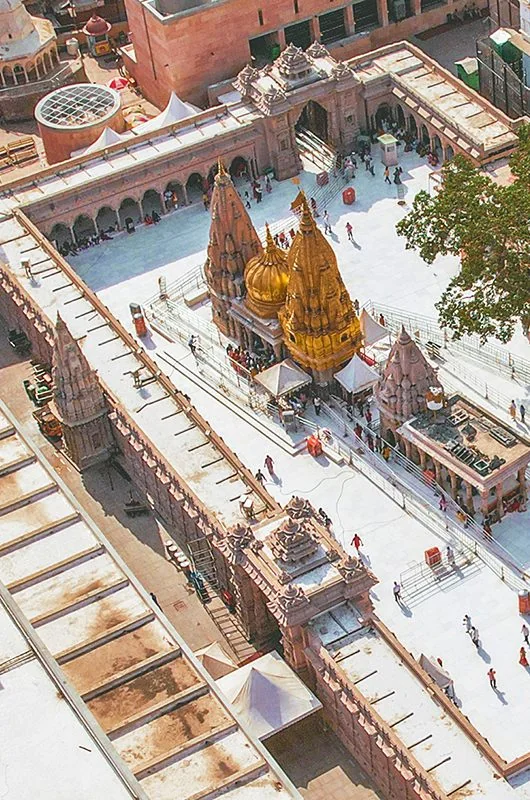
Temples of Varanasi
Varanasi's temples form a network of different deities, neighbourhoods and devotional practices. Kashi Vishwanath is a major focus, but smaller shrines reveal the diversity of the city's sacred life.
Explore guide →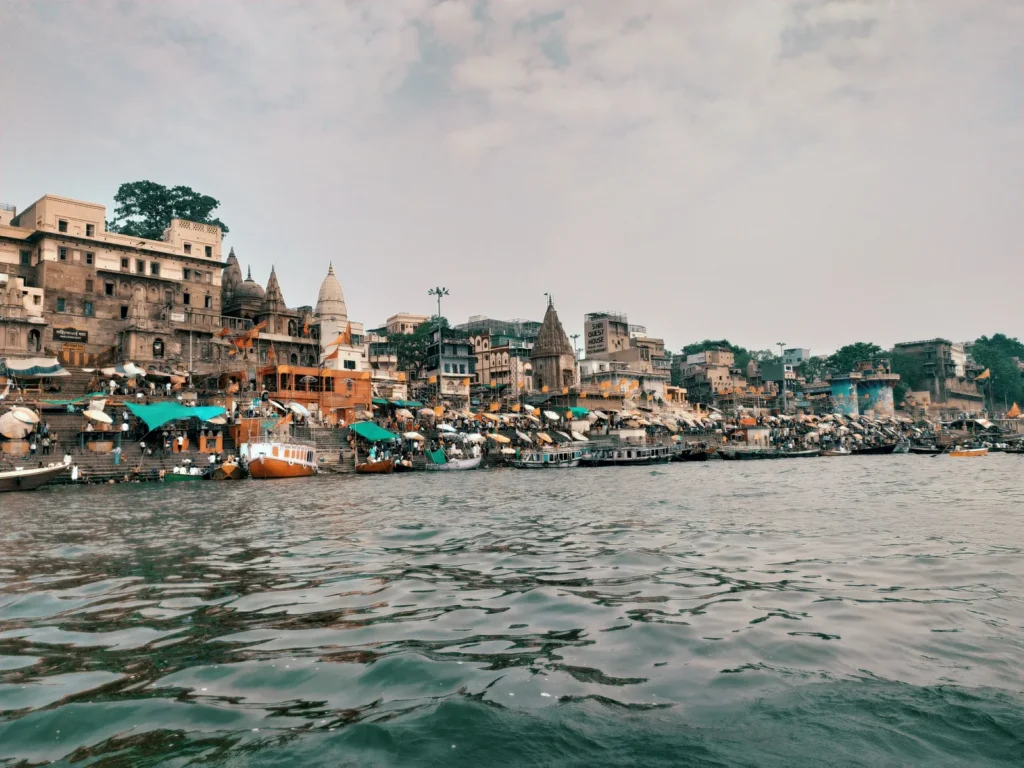
Ghats of Varanasi
The ghats are the city's meeting place with the Ganga: stepped river edges used for worship, movement, gathering and everyday work. They are connected, but each has a name and history worth learning.
Explore guide →Things to Do in Varanasi
Things to do in Varanasi range from quiet observation to structured visits. The best selection depends on whether your interest is pilgrimage, history, culture, food or time beside the river.
Explore guide →No matching guides. Try a broader search.
A journey shaped around you
Plan your time in Kashi
Tell us your dates, interests and travel needs. Request a tailored proposal with clear inclusions before confirming any service.
Enquiry only · Availability and prices require confirmation · No payment is taken here