
Prayag Tourism · Attraction
Tourist Attractions in Varanasi
Varanasi's attractions extend beyond temples and ghats. Archaeology, museums, royal collections, a university campus and craft institutions help make a balanced visit for people with different interests.
1. Introduction: Sightseeing Beyond the Sanctum
While millions of travellers arrive in Varanasi drawn primarily by the sacred magnetism of the Shri Kashi Vishwanath Temple (VAR-007) and the eighty-four stone Ghats of the River Ganga (VAR-018), the cultural landscape of the Varanasi metropolitan region extends far beyond temple thresholds. Within a fifteen-kilometre radius of the historic crescent lie world-renowned archaeological monuments, royal riverside fortresses, one of Asia’s largest residential universities, encyclopaedic art and archaeological museums, astronomical observatories, modern textile trade centres, and labyrinthine medieval streetscapes (District Varanasi Official Portal – Tourist Places).
This master sightseeing guide categorizes and connects every major heritage, archaeological, academic, and architectural attraction in Varanasi (VAR-029 to VAR-037), enabling families, students, international heritage travellers, and pilgrims to build a balanced itinerary that pairs morning spiritual darshan with rewarding daytime cultural exploration.
2. The Five Geographical Sightseeing Zones of Varanasi
Because urban traffic in Varanasi can be dense (VAR-059), the smartest way to plan sightseeing is by grouping attractions into five distinct geographical clusters (Varanasi UP Tourism Brochure):
Zone 1: The Sarnath Buddhist & Archaeological Enclave (~10 km North-East)
Newly inscribed on the UNESCO World Heritage List in July 2026 as “Ancient Buddhist Site, Sarnath” (Sarnath UNESCO World Heritage Guide), Sarnath (VAR-030) is where Gautama Buddha delivered his first sermon (Dhammacakkappavattana Sutta) after attaining enlightenment. Key attractions here include:
- Dhamek Stupa & Excavated Monastic Ruins (VAR-031): The 43.6-metre-high solid cylindrical Mauryan-and-Gupta brick-and-stone stupa, alongside the Dharmarajika Stupa base, Ashoka Pillar fragments, and Chaukhandi Stupa.
- Sarnath Archaeological Museum (VAR-032): India’s oldest site museum by the Archaeological Survey of India (Incredible India – Sarnath Museum), housing the original polished sandstone Lion Capital of Ashoka (National Emblem of India) and the fifth-century Preaching Buddha.
- Mulagandha Kuti Vihara & International Monasteries: The 1931 Mahabodhi Society temple adorned with Japanese frescoes by Kosetsu Nosu, adjacent to the sacred Bodhi tree sapling from Anuradhapura and tranquil Thai, Tibetan, Japanese, Chinese, Burmese, and Sri Lankan temples (VAR-030).
Zone 2: The Historic Riverfront & Old City Core (Pakka Mahal)
Stretching along the west bank of the Ganga from Assi Ghat (VAR-020) to Rajghat and Namo Ghat (VAR-028), the historic core encompasses:
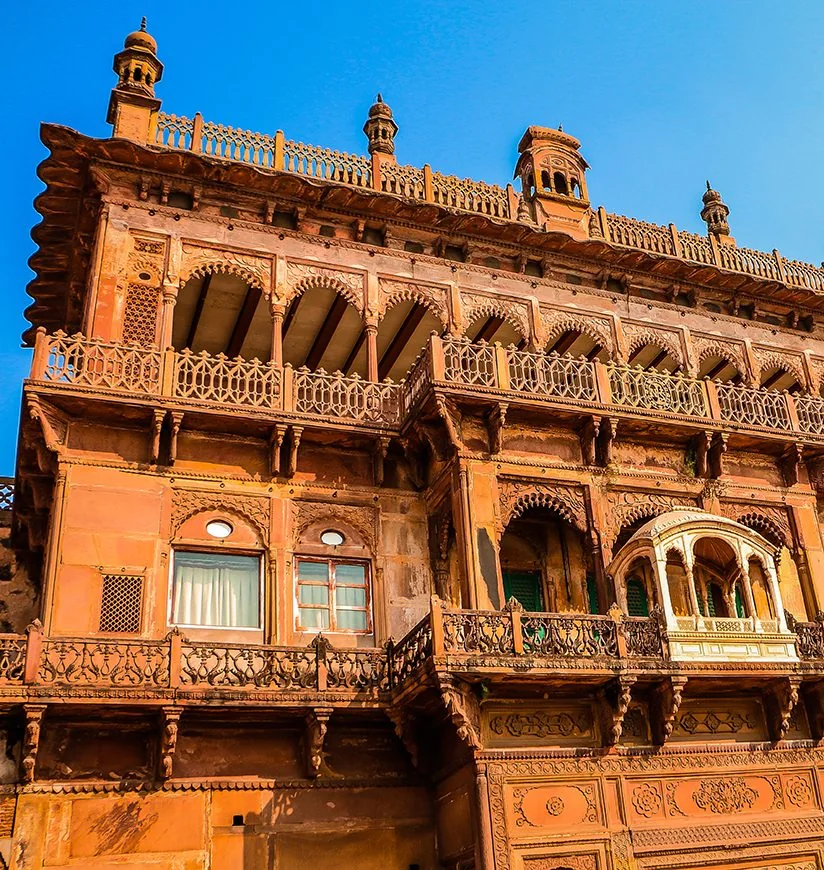
- Man Mandir Palace & Jantar Mantar Rooftop Observatory (VAR-027): Built c. 1600 CE by Raja Man Singh of Amber with an astronomical observatory added in 1737 CE by Maharaja Sawai Jai Singh II (open 10:00 AM – 5:00 PM, closed Fridays) (Varanasi UP Tourism Brochure).
- The Old City Galis (Kashi Lanes) (VAR-037): The atmospheric pedestrian labyrinth of Vishwanath Gali, Thatheri Bazar (UNESCO-recognised brassware heritage craft street), Kachori Gali, and Chowk.
- Alamgir Mosque (Panchganga Ghat) & Scindia Ghat’s Leaning Temple (VAR-027): Architectural landmarks reflecting three centuries of Mughal, Rajput, and Maratha riverfront building.
Zone 3: The Southern University & Cultural Belt (BHU, Lanka & Bhelupur)
Anchored by Banaras Hindu University (BHU) (VAR-034), founded in 1916 by Pandit Madan Mohan Malaviya across a lush 1,300-acre semi-circular campus (BHU Official Website):
- Bharat Kala Bhavan Museum (VAR-035): Located inside BHU, holding over 100,000 artefacts including Pahari, Mughal, and Banaras miniature paintings, terracotta, textiles, and Roerich canvases (open 10:30 AM – 4:30 PM, closed Sundays) (Bharat Kala Bhavan Official Page).
- New Vishwanath Temple (Birla Mandir, BHU) (VAR-012): Towering 250-foot white marble temple surrounded by manicured gardens.
- Tulsi Manas Mandir (VAR-011), Durga Kund (VAR-010) & Sankat Mochan (VAR-009): Situated along the Durga Kund–Sankat Mochan heritage corridor just north of the BHU gate.
Zone 4: The Eastern Bank Royal Citadel (Ramnagar)
Across the Ganga opposite Assi/Samne Ghat stands Ramnagar Fort and Royal Museum (VAR-033, Kashi Official Portal – Ramnagar Fort), built in 1750 CE by Kashi Naresh Maharaja Balwant Singh in creamy Chunar sandstone. Its Durbar Hall and Saraswati Bhawan Museum display vintage American and European royal automobiles, jewel-encrusted palanquins, Mughal and Rajput armoury, an 1852 astronomical clock, and rare illuminated manuscripts (open daily 10:00 AM – 5:00 PM).
Zone 5: Northern Craft & Archaeological Hub (Bada Lalpur, Cantonment & Rajghat)
- Deendayal Hastkala Sankul (Trade Facilitation Centre & Crafts Museum) (VAR-036): Situated at Bada Lalpur (https://varanasi.nic.in/dhs/), this ₹300-crore state-of-the-art museum and live craft demonstration complex celebrates GI-tagged Banarasi silk brocades (VAR-047), wooden lacquerware toys (VAR-048), gulabi meenakari, and carpets.
- Bharat Mata Mandir (VAR-013): Located on the Mahatma Gandhi Kashi Vidyapith campus near Cantt Station, housing the 1936 relief map of undivided India carved from 762 Makrana marble blocks.
- Namo Ghat (VAR-028) & Rajghat Excavations (VAR-002): Combining modern riverfront recreation with Iron Age archaeological mounds overlooking the Varuna-Ganga confluence.
3. Weekly Museum & Monument Closure Schedule (Crucial Planning Reference)
One of the most common mistakes travellers make in Varanasi is arriving at a major museum on its weekly closed day. Keep this verified schedule handy:
- Closed on Fridays: Sarnath Archaeological Museum (VAR-032) and Man Mandir ASI Observatory (VAR-027).
- Closed on Sundays & University Holidays: Bharat Kala Bhavan Museum inside BHU (VAR-035).
- Closed on Mondays: Galleries of Deendayal Hastkala Sankul Crafts Museum (VAR-036, confirm exhibition calendar locally).
- Open Daily (7 Days a Week): Dhamek Stupa & Sarnath Ruins (VAR-031, sunrise to sunset), Ramnagar Fort & Museum (VAR-033, 10:00 AM – 5:00 PM), Bharat Mata Mandir (VAR-013), and all Ghats & Major Temples.
4. How to Combine Sightseeing into a Seamless 2- or 3-Day Schedule
- Day 1 (Old City & Central Riverfront): Sunrise boat ride from Assi (VAR-020) to Manikarnika (VAR-021); morning darshan at Shri Kashi Vishwanath Dham (VAR-007) and Annapurna Mandir (VAR-014); midday visit to Man Mandir Observatory (VAR-027) and Old City Galis (VAR-037); evening Ganga Aarti at Dashashwamedh Ghat (VAR-019).
- Day 2 (Sarnath & Northern Crafts): Morning excursion to Sarnath (VAR-030, VAR-031, VAR-032) and Mulagandha Kuti Vihara; afternoon visit to Deendayal Hastkala Sankul (VAR-036) and Bharat Mata Mandir (VAR-013); sunset at Namo Ghat (VAR-028).
- Day 3 (Southern Cultural Belt & Ramnagar Fort): Morning Subah-e-Banaras (VAR-041) and Tulsi Ghat (VAR-026); mid-morning tour of BHU (VAR-034), New Vishwanath Temple (VAR-012), and Bharat Kala Bhavan (VAR-035); afternoon drive across Samne Ghat bridge to Ramnagar Fort (VAR-033).
5. Conclusion
By stepping beyond the river steps to explore Sarnath’s Mauryan pillars, BHU’s art galleries, Ramnagar’s royal armoury, and Bada Lalpur’s master weavers, visitors experience the full civilisational breadth of Varanasi—a city where spirituality, scholarship, art, and royalty have nourished one another for over three millennia.
C. Practical Visitor Information
- Location: Distributed across Varanasi City, BHU (South), Ramnagar (Southeast across the Ganga), Bada Lalpur (Northwest), and Sarnath (10 km Northeast), Uttar Pradesh (District Varanasi Official Portal – Tourist Places).
- How to Reach: Use auto-rickshaws or e-rickshaws for short hops in the city; hire a full-day AC cab (VAR-059, VAR-072) for the Sarnath–Deendayal Hastkala Sankul–BHU–Ramnagar Fort circuit.
- Best Time to Visit: October to March for comfortable outdoor sightseeing; museums and indoor galleries are ideal between 11:00 AM and 4:00 PM year-round when outdoor sunshine is strong.
- Visiting Hours: Outdoor heritage precincts typically open 6:00 AM – 6:00 PM; museums operate 9:00/10:00 AM – 4:30/5:00 PM (check individual weekly closures in Section B.3).
- Entry Fee: Free for ghats, temples, BHU campus, and Old City lanes; nominal ₹5 to ₹80 entry fees for ASI monuments, Sarnath Museum, Bharat Kala Bhavan, and Ramnagar Fort Museum.
- Duration Required: 2 to 3 full days to cover all five sightseeing zones thoroughly (estimated).
- Nearby Attractions: Chunar Fort (VAR-078, 40 km), Vindhyachal (VAR-074, 70 km), and Prayagraj (VAR-075, 125 km).
- Visitor Advice: Schedule museum visits during the midday hours (11:00 AM – 4:00 PM) and reserve early mornings (5:30 AM – 9:30 AM) and evenings (5:00 PM – 8:00 PM) for the ghats and temples.
D. Frequently Asked Questions (FAQs)
1. What are the top non-temple tourist attractions in Varanasi?The top non-temple attractions in Varanasi are the UNESCO World Heritage site of Sarnath (VAR-030–VAR-032), Ramnagar Fort & Museum (VAR-033), Banaras Hindu University & Bharat Kala Bhavan (VAR-034–VAR-035), Man Mandir Rooftop Observatory (VAR-027), Deendayal Hastkala Sankul Crafts Museum (VAR-036), and Namo Ghat (VAR-028).
2. Which museums in Varanasi are closed on Fridays?Both the Sarnath Archaeological Museum (VAR-032) and the Man Mandir ASI Observatory (VAR-027) are closed on Fridays (Incredible India – Sarnath Museum).
3. Is Sarnath open on Fridays even if the museum is closed?Yes, the outdoor Dhamek Stupa and excavated monastic ruins (VAR-031) as well as Mulagandha Kuti Vihara remain open 7 days a week from sunrise to sunset; only the ASI Museum building closes on Fridays.
4. How many days are needed to see all major tourist attractions in Varanasi?A minimum of 2 to 3 full days (VAR-065, VAR-080, VAR-081) is recommended to cover the ghats, major temples, Sarnath, BHU, and Ramnagar Fort at a comfortable pace.
5. Can I visit Ramnagar Fort and BHU on the same afternoon?Yes, BHU’s Lanka Gate and Ramnagar Fort are connected directly by the Samne Ghat bridge across the Ganga (only ~4 km apart, or 15 minutes by road), making them an ideal pairing.
6. Are there guided heritage walks for the Old City lanes of Varanasi?Yes, guided morning and afternoon walking tours (VAR-037, VAR-042) lead visitors safely through Vishwanath Gali, Thatheri Bazar, Chowk, and hidden havelis.
Choose your next chapter
Explore this part of Varanasi
Sarnath
Sarnath is a major Buddhist pilgrimage and archaeological destination near Varanasi. Buddhist tradition associates it with the Buddha's first teaching after enlightenment, making it a distinct focus within a wider Kashi visit.
Explore guide →Dhamek Stupa and Sarnath Archaeological Sites
Dhamek Stupa is one of Sarnath's most recognisable monuments, but its value is clearer when seen within the wider archaeological landscape. The site connects Buddhist pilgrimage with the material remains of successive periods.
Explore guide →Sarnath Museum and Buddhist Monuments
Sarnath Museum provides the object-based counterpart to the archaeological site. The Lion Capital of Ashoka is a major focus, alongside sculptures and other finds that help explain the area's artistic and religious history.
Explore guide →Ramnagar Fort and Museum
Ramnagar Fort offers a view of Varanasi's royal and cultural history from across the Ganga. Its river-facing architecture and museum collections make it a different experience from a central ghat walk.
Explore guide →Banaras Hindu University and New Vishwanath Temple
Banaras Hindu University adds an important educational chapter to a Varanasi itinerary. It is a working university, and its appeal should be understood alongside the daily needs of students and staff.
Explore guide →Bharat Kala Bhavan Museum
Bharat Kala Bhavan is a museum within BHU that helps visitors move from seeing heritage in the streets to studying objects in a collection. Paintings, sculpture, textiles and manuscripts provide different routes into the region's cultural history.
Explore guide →Deendayal Hastkala Sankul
Deendayal Hastkala Sankul offers an institutional introduction to the handloom and craft traditions associated with Varanasi. It is useful for visitors who want context before shopping or visiting a workshop.
Explore guide →Varanasi Old City, Galis and Heritage Walk
The old city's galis are streets of work, worship and residence. A heritage walk is most rewarding when it explains how these functions coexist rather than presenting the lanes as a maze to conquer.
Explore guide →No matching guides. Try a broader search.
Choose your next chapter
Continue your journey
Temples of Varanasi
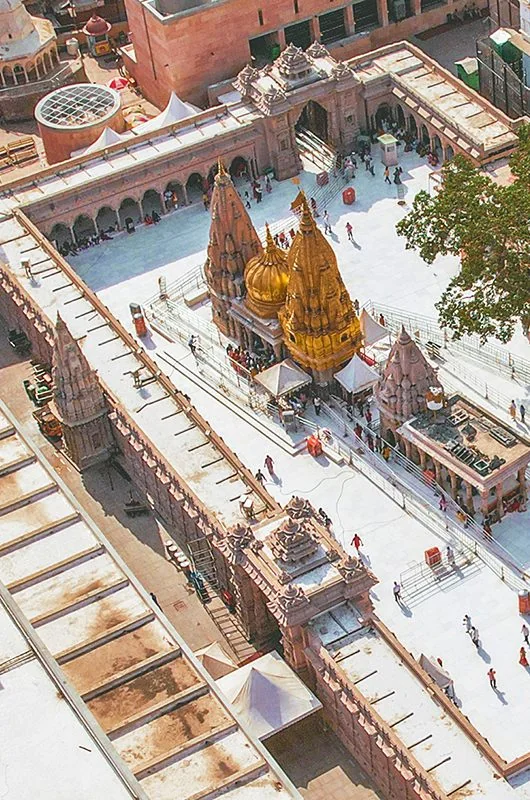
Varanasi's temples form a network of different deities, neighbourhoods and devotional practices. Kashi Vishwanath is a major focus, but smaller shrines reveal the diversity of the city's sacred life.
Explore guide →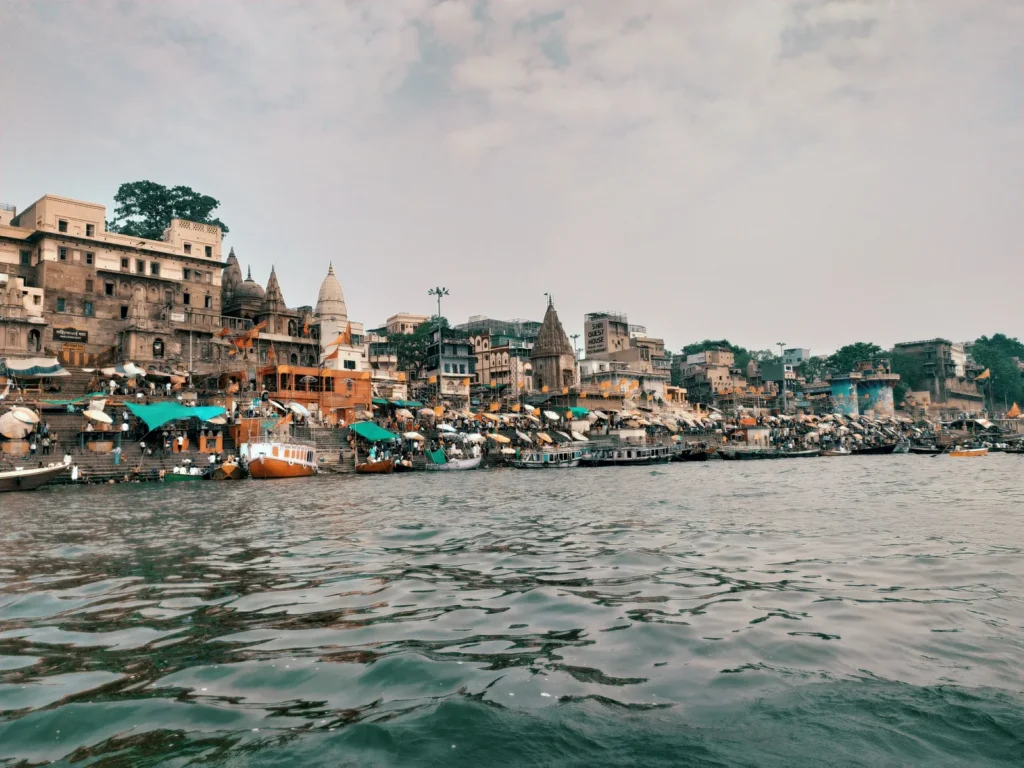
Ghats of Varanasi
The ghats are the city's meeting place with the Ganga: stepped river edges used for worship, movement, gathering and everyday work. They are connected, but each has a name and history worth learning.
Explore guide →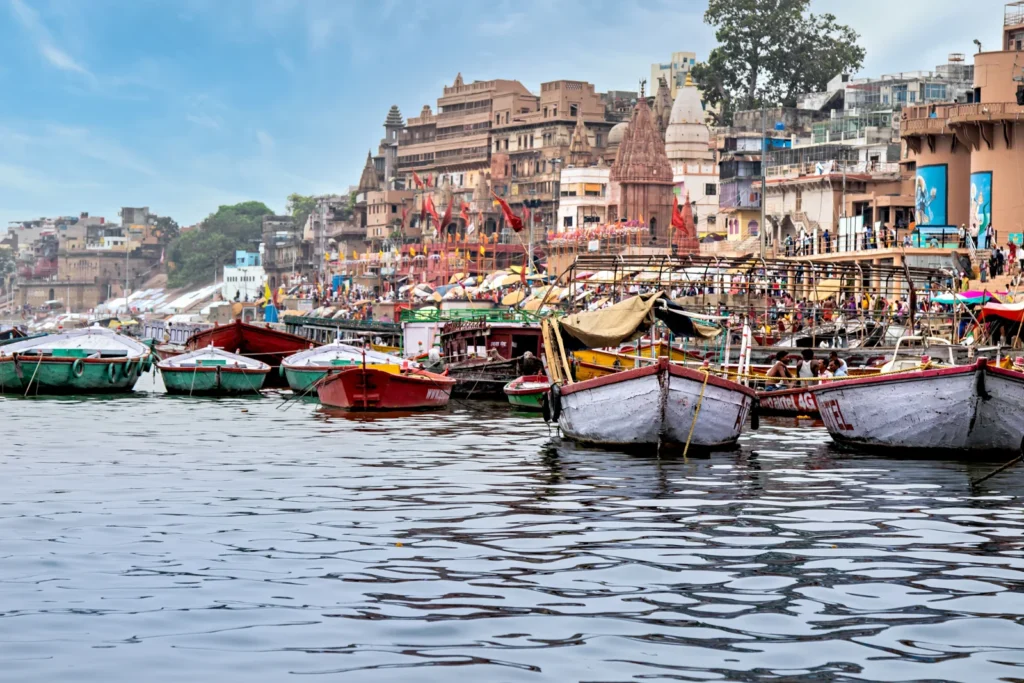
Things to Do in Varanasi
Things to do in Varanasi range from quiet observation to structured visits. The best selection depends on whether your interest is pilgrimage, history, culture, food or time beside the river.
Explore guide →No matching guides. Try a broader search.
Explore the Hinduism knowledge portal
A journey shaped around you
Plan your time in Kashi
Tell us your dates, interests and travel needs. Request a tailored proposal with clear inclusions before confirming any service.
Enquiry only · Availability and prices require confirmation · No payment is taken here