History of Prayagraj

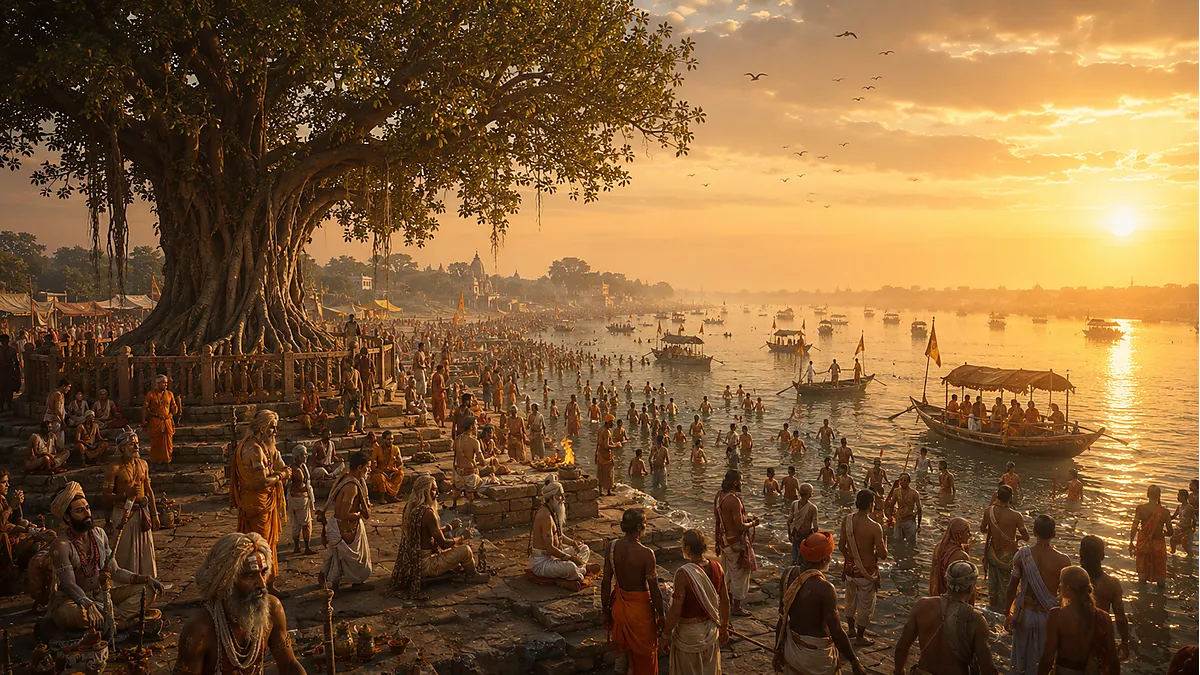
Here’s a chronological outline of Prayag (modern-day Prayagraj or Allahabad), its ancient history and the major powers that held sway over this sacred city in Ancient India:

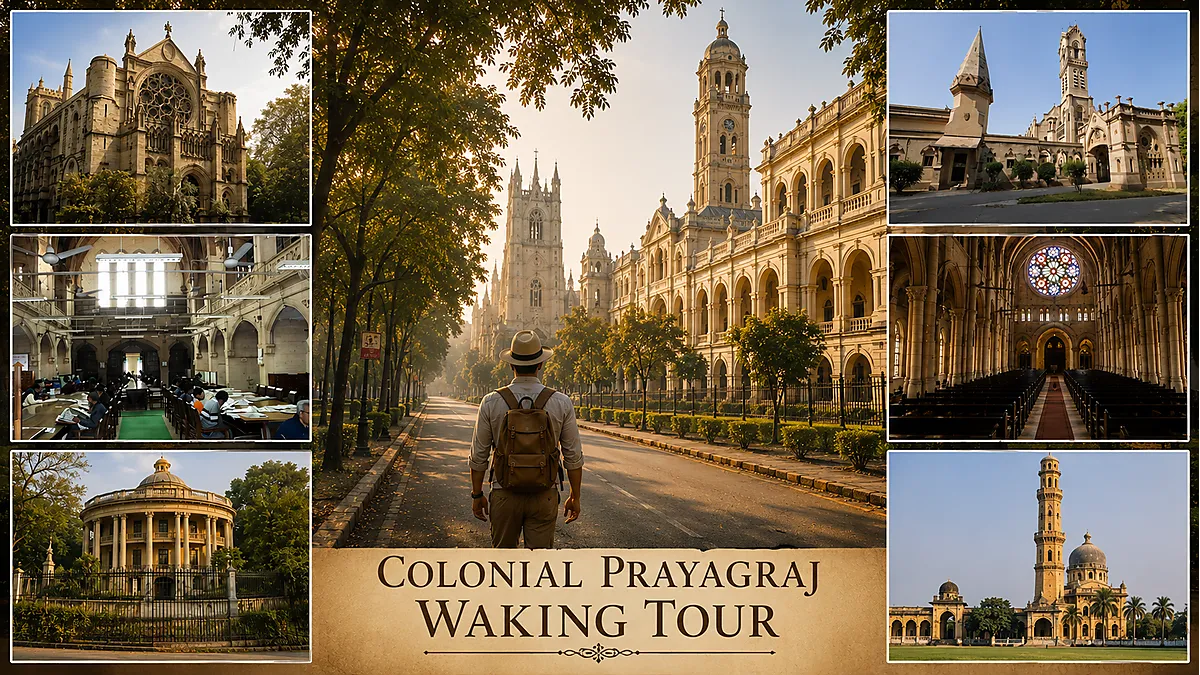
Colonial Prayagraj How the British Transformed Allahabad into the Administrative and Intellectual Capital of North India

Colonial Prayagraj: How the British Transformed Allahabad into the Administrative and Intellectual Capital of North India

The wide, tree‑lined avenues of Civil Lines offer a quiet refuge from Prayagraj‘s vibrant chaos. Here, the city speaks a different language: the language of sandstone, spires, and imperial ambition. An afternoon walk along Sarojini Naidu Marg is a journey into the heart of the British Raj, where Victorian Gothic cathedrals, Scottish baronial libraries, and […]
Colonial Prayagraj: How the British Transformed Allahabad into the Administrative and Intellectual Capital of North India Read More »

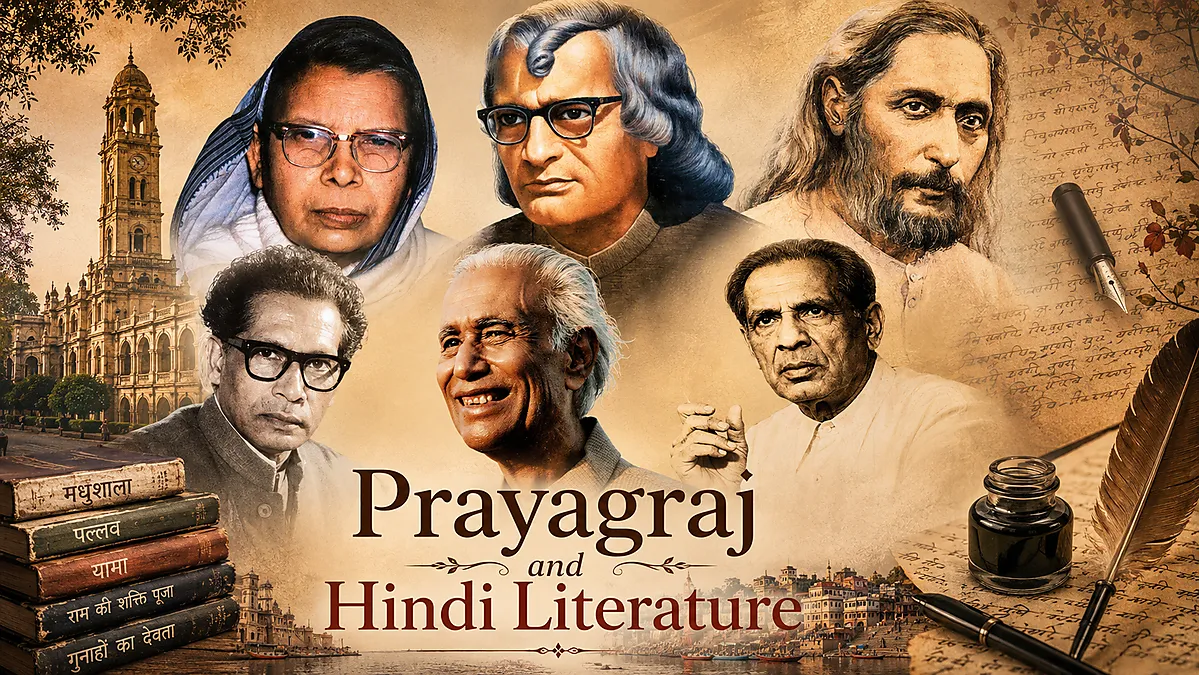
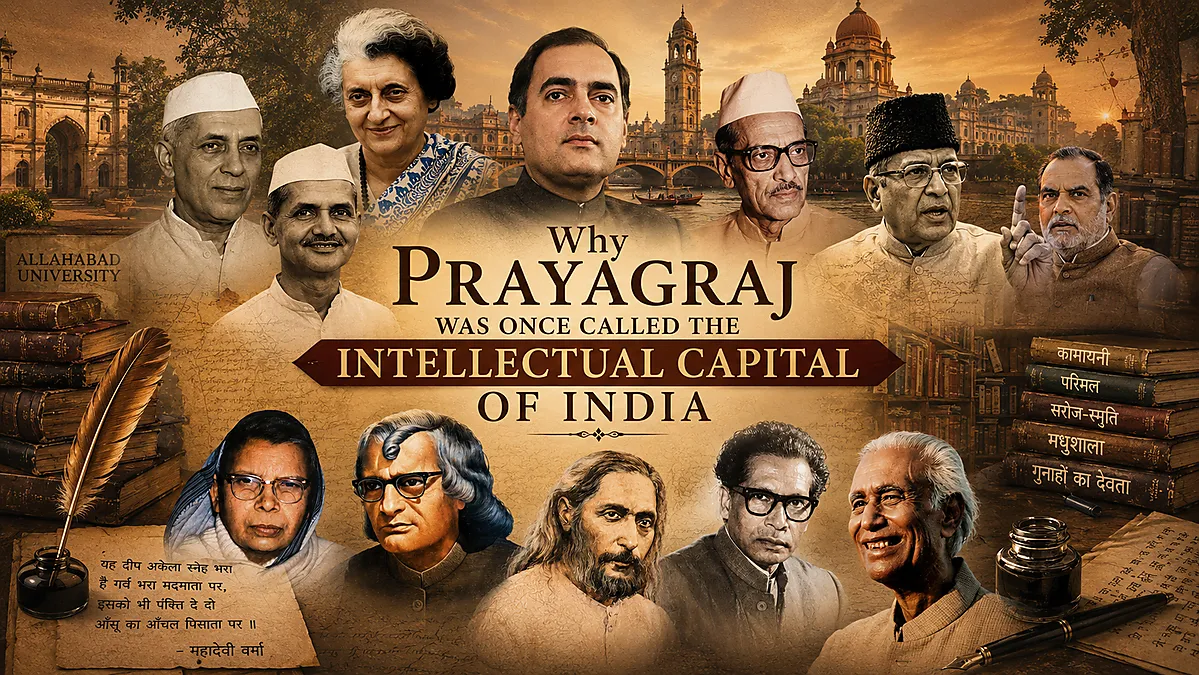
Literary Legends Who Made Prayagraj Famous

Prayagraj Literary Heritage: The Literary Capital of Hindi India

The aroma of freshly brewed tea mingles with the scent of old books and the faint perfume of ink. Inside the Indian Coffee House on Mahatma Gandhi Marg, the air is thick with the murmur of voices debating poetry, politics, and philosophy. At a corner table, a young poet scribbles verses on a napkin. Across

Prayagraj Literary Heritage: The Literary Capital of Hindi India Read More »

Colonial Prayagraj Walking Tour

Colonial Prayagraj Walking Tour: Exploring the British‑Era Heritage of the Oxford of the East

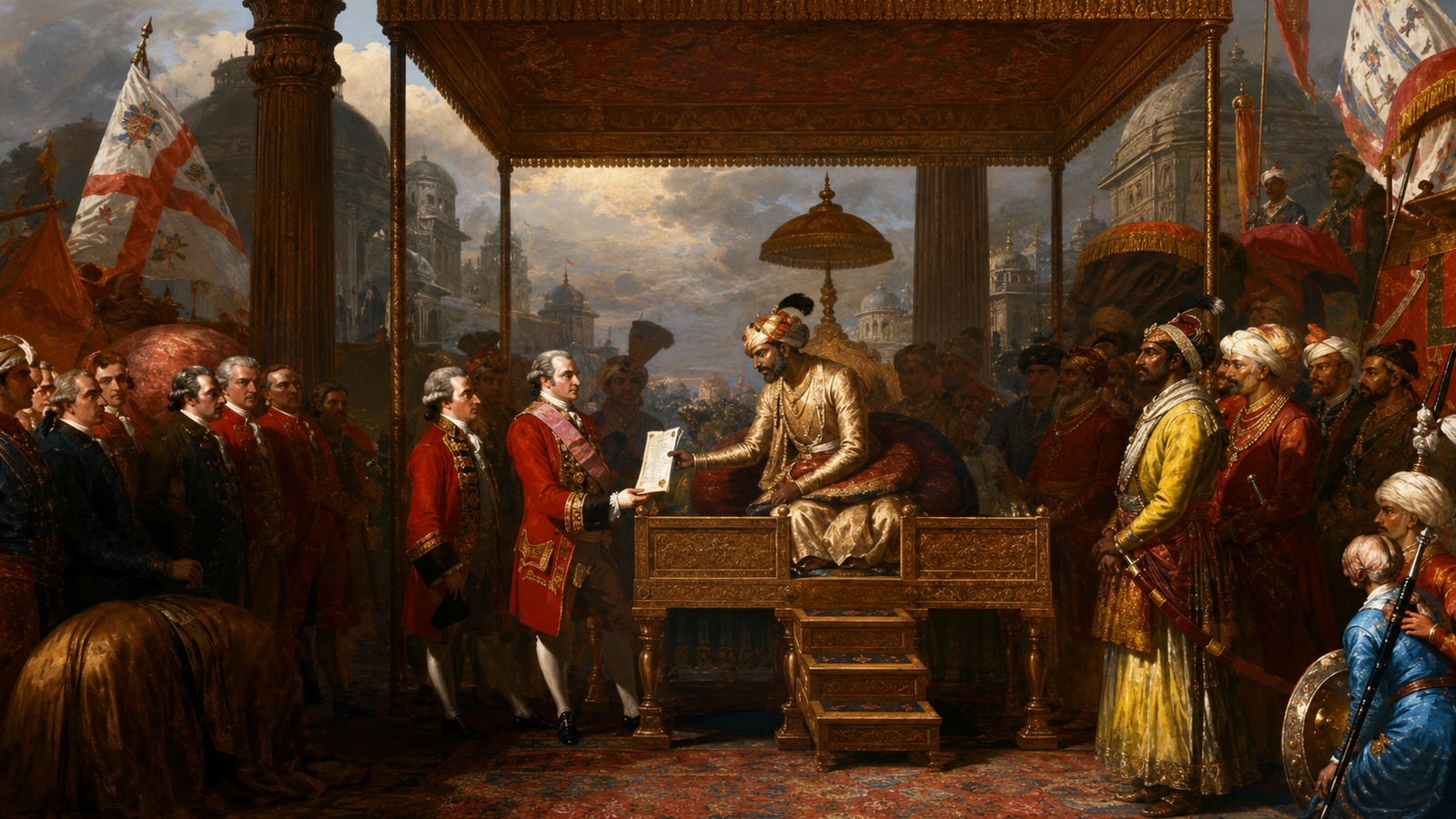
The British connection with Prayagraj began in 1801, when the East India Company took direct control of the city from the Nawab of Awadh. But it was the cataclysmic events of 1857 that permanently transformed the city‘s destiny.

Colonial Prayagraj Walking Tour: Exploring the British‑Era Heritage of the Oxford of the East Read More »

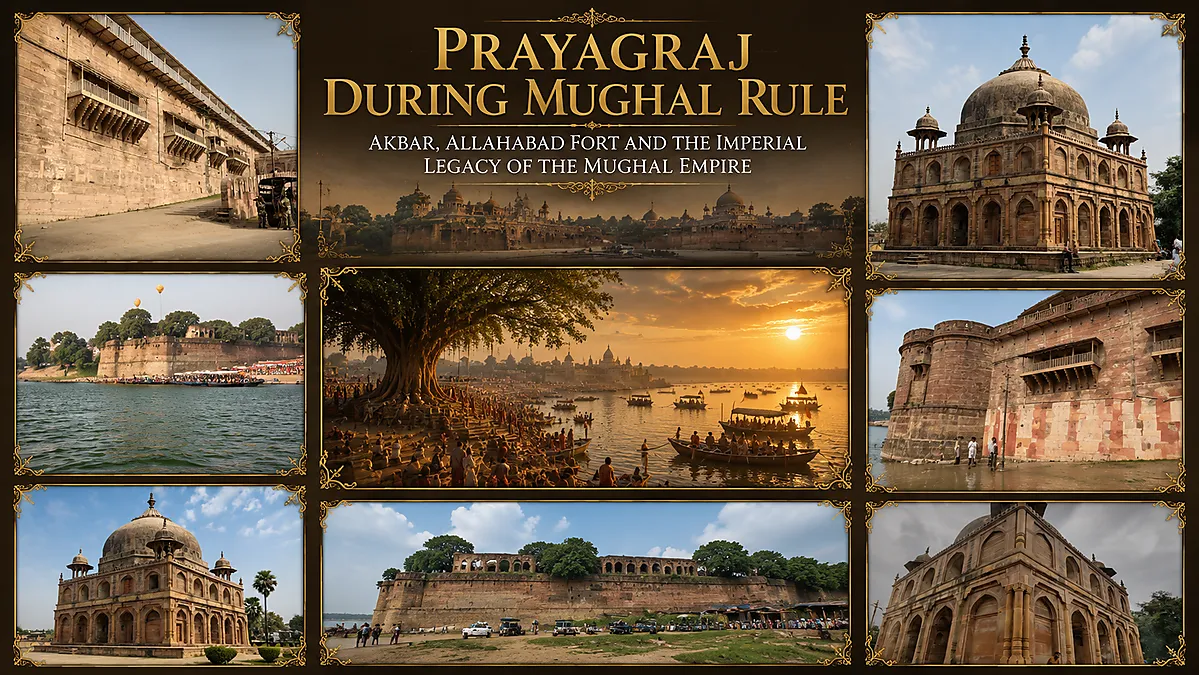
Akbar's Allahabad Fort overlooking the Triveni Sangam during the Mughal period in Prayagraj

Prayagraj During Mughal Rule: Akbar, Allahabad Fort and the Imperial Legacy of the Mughal Empire

The story of Prayagraj as a major imperial city begins with one of the most consequential decisions in Indian history. In 1583, the Mughal emperor Akbar stood at the sacred confluence of the Ganga and Yamuna and envisioned a fortress that would forever change the destiny of this ancient land.

Prayagraj During Mughal Rule: Akbar, Allahabad Fort and the Imperial Legacy of the Mughal Empire Read More »

Medieval Prayagraj showing Triveni Sangam pilgrimage traditions between Harsha and Mughal rule

Prayagraj in Medieval Indian History: From Harsha’s Empire to the Dawn of Mughal Rule (647–1526 CE)

After Harsha‘s death in 647 CE, Prayag became part of the Gurjara-Pratihara Empire, which dominated northern India from the 8th to the 11th centuries. It was later ruled by the Gahadavala dynasty, the Ghurids, and the Delhi Sultanate.

Prayagraj in Medieval Indian History: From Harsha’s Empire to the Dawn of Mughal Rule (647–1526 CE) Read More »

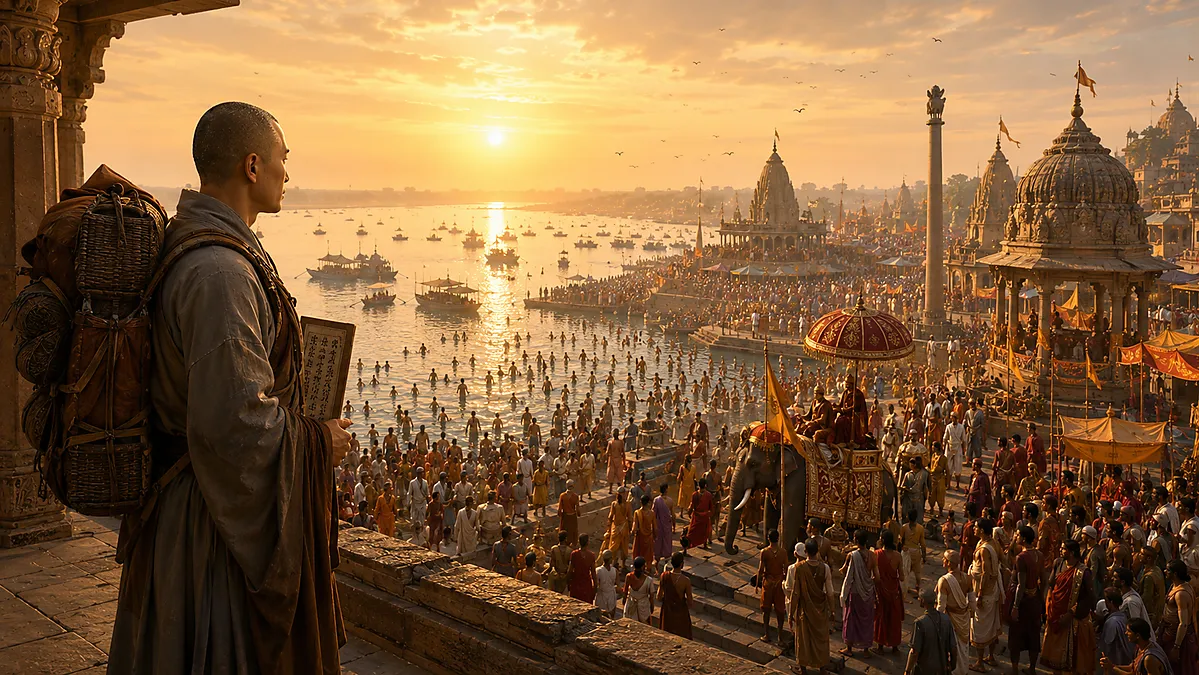
Chinese pilgrim Xuanzang observing Emperor Harsha's grand religious assembly at Prayag Sangam

Xuanzang (Hiuen Tsang) in Prayag: What the Great Chinese Pilgrim Saw in Ancient India‘s Holiest City

In 644 CE, Chinese monk Xuanzang arrived at Prayag and witnessed one of the greatest religious gatherings in ancient India. His detailed observations provide a rare glimpse into the spiritual, cultural, and political life of Prayagraj during the reign of Emperor Harsha.

Xuanzang (Hiuen Tsang) in Prayag: What the Great Chinese Pilgrim Saw in Ancient India‘s Holiest City Read More »

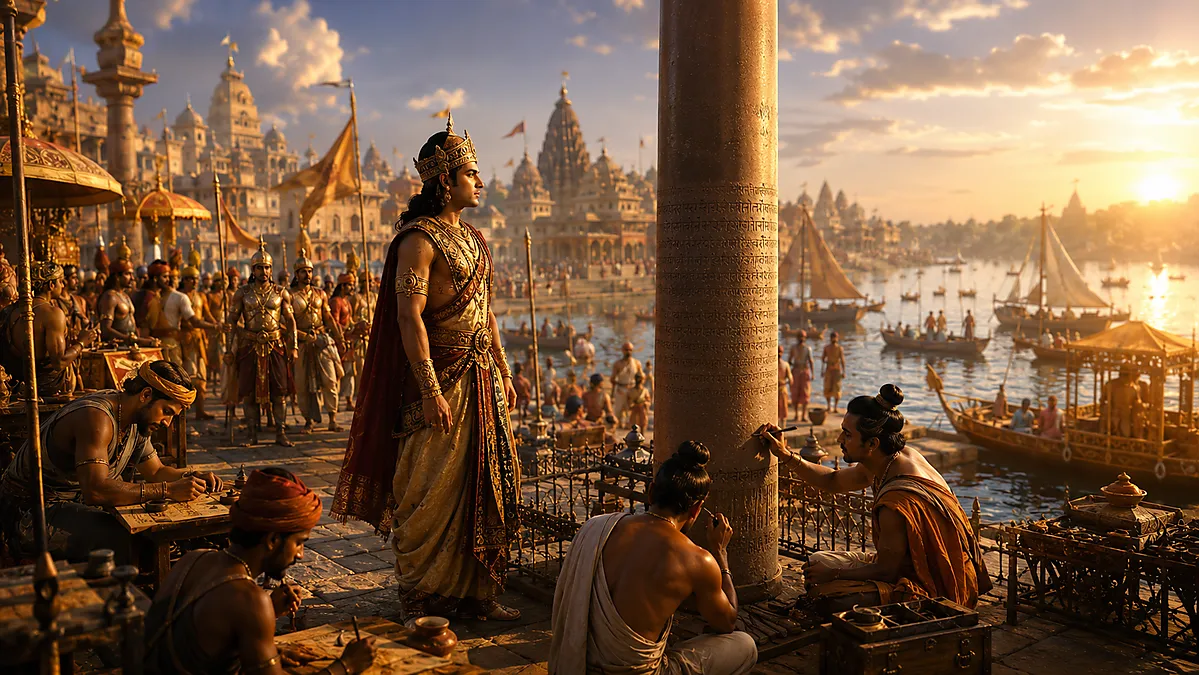
Samudragupta overlooking ancient Prayag with the Ashokan Pillar and Gupta Empire at its height

The Gupta Dynasty and Prayagraj: How Samudragupta Turned Prayag into an Imperial Capital of Ancient India

Discover how Samudragupta transformed sacred Prayag into the political heart of the Gupta Empire. Explore the Prayag Prashasti, Ashokan Pillar, Gupta coins, and the golden age of ancient India.

The Gupta Dynasty and Prayagraj: How Samudragupta Turned Prayag into an Imperial Capital of Ancient India Read More »

Scroll to Top

Enquiry