
Hinduism knowledge portal
Hindu Culture and Heritage
Explore architecture, language, art, music, knowledge traditions and cultural practices through a historically responsible lens.
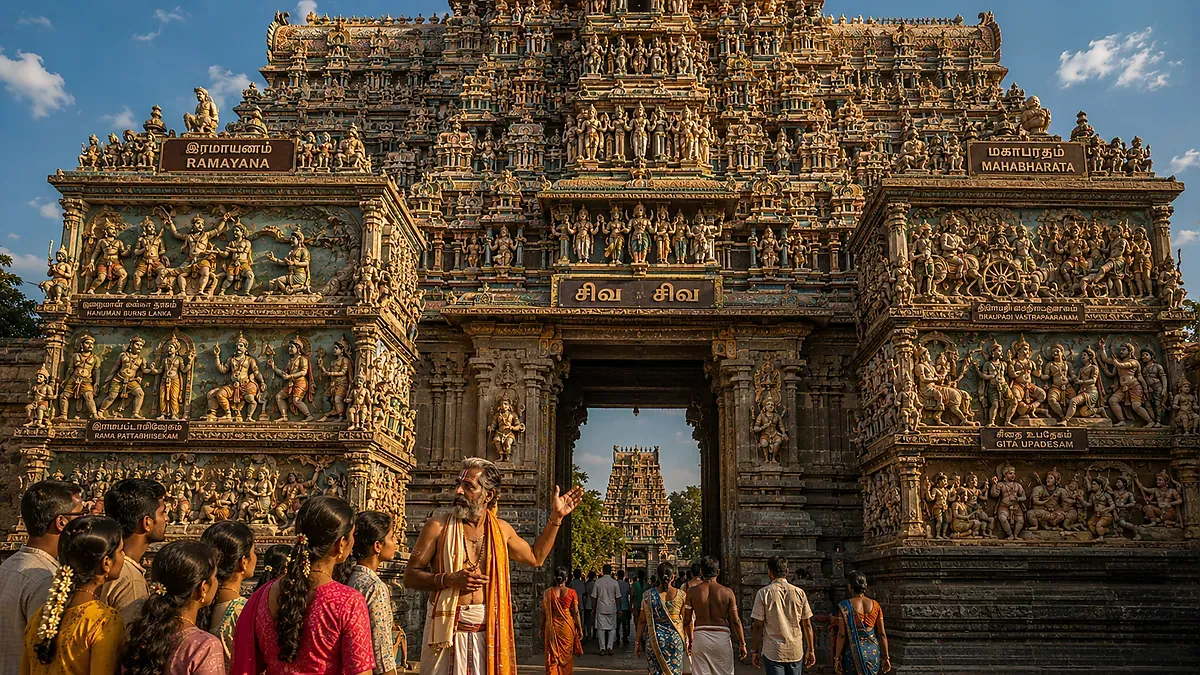
Explore this subject
Topics and guides
Start with a short introduction, then follow the links to related topics and sources.

Ayurveda and Historical Wellness
Ayurveda is a historical knowledge system; this page makes no treatment claims and should not replace clinical advice.
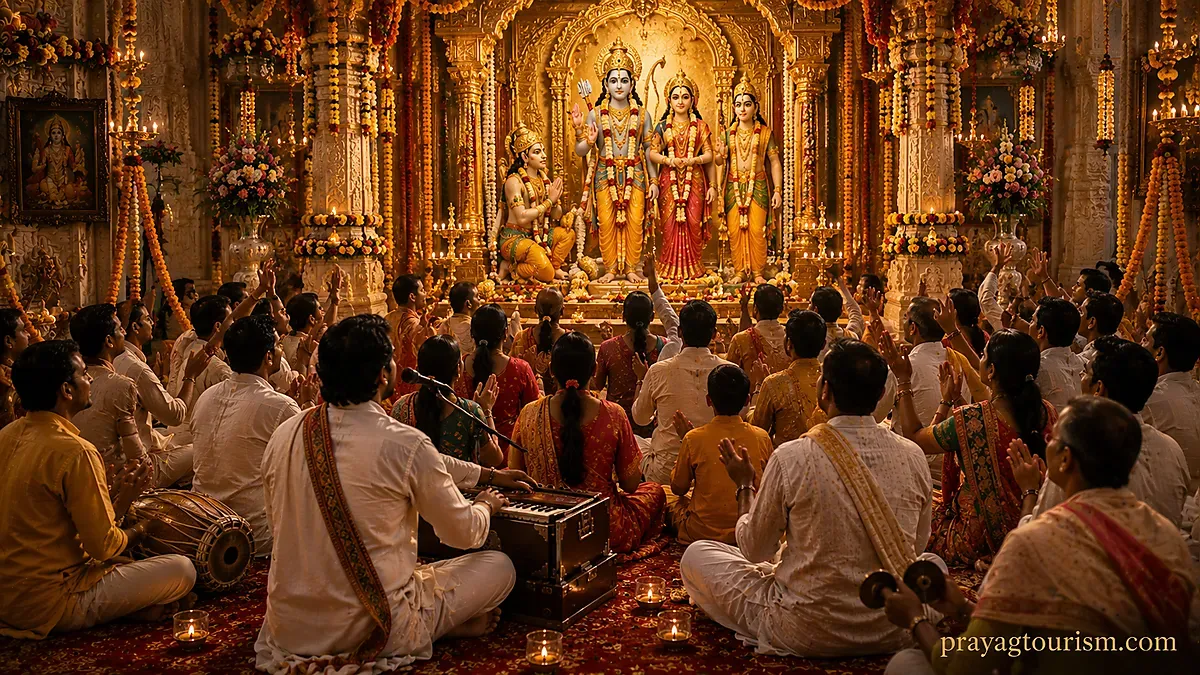
Bhajans and Kirtan
Devotional singing practices shaped by language, community and lineage.
Classical and Devotional Music
Music traditions include classical, ritual, folk and devotional forms.
Customs and Traditions
Customs differ across regions, caste and community, family, and historical context.
Hindu Art and Sculpture
Art and sculpture express diverse aesthetic, ritual and devotional contexts.
Hindu Temple Architecture
Temple architecture reflects regional forms, materials, ritual needs and historical change.
Philosophy in Indian Culture
Philosophical ideas have circulated through texts, debate, art, education and practice.
Sacred Rivers and Nature
Nature and rivers carry cultural and religious meanings alongside ecological realities.
Sanskrit Language and Literature
Sanskrit literature includes varied genres and historical periods alongside rich regional literatures.
Traditional Dance Forms
Dance forms include varied regional histories and devotional themes.
Traditional Knowledge Systems
Historical knowledge traditions require careful sourcing and distinction from modern scientific evidence.
1. Introduction and Sanskrit Etymology
Hindu Culture and Heritage holds a foundational place within Main Portal and Subject Landing Pages on the Prayag Hinduism Portal. In Sanskrit philology and religious studies, its meaning is rooted in precise linguistic usage: Saṃskṛti (‘refinement, cultivation, and civilizational heritage’, from sam + kṛ) paired with Paramparā (‘unbroken lineage of transmission’). Across Hindu tradition, Hindu Culture and Heritage connects scriptural revelation (Śruti), remembered tradition (Smṛti), philosophical inquiry (Darśana), ritual practice (Upāsanā), and sacred geography (IGNCA – Collected Works of Dr. Ananda K. Coomaraswamy). As one of the eleven foundational subject gateways of the Prayag Hinduism Portal, this page provides visitors, students, pilgrims, and researchers with a structured roadmap connecting primary scriptural sources with living practice across the Indian subcontinent.
2. Historical and Traditional Background
Primary scriptures and classical treatises that document and illuminate Hindu Culture and Heritage include: Nāṭya Śāstra of Bharata Muni; Aṣṭādhyāyī of Pāṇini; Mānasāra and Mayamata (Vāstu/Śilpa Śāstras); Saṅgītaratnākara of Śārṅgadeva; Caraka and Suśruta Saṃhitās; Mahā Upaniṣad (6.71–73). (Encyclopaedia Britannica – Hinduism Overview). Its historical trajectory spans key epochs of Indian civilization: Encompasses over two millennia of classical Sanskrit literature, Gupta and Chola sculptural mastery, Nāgara, Drāviḍa, and Vesara temple architecture, Hindustani and Carnatic musical lineages, classical dance forms, and traditional sciences. Academic scholarship reads these primary texts alongside epigraphic, archaeological, and manuscript evidence to distinguish traditional narrative, theological commentary, and historical chronology accurately.
“Udāra-caritānāṃ tu vasudhaiva kuṭumbakam” — “For those of noble and magnanimous character, the entire world is one family.” (Mahā Upaniṣad 6.72 / Hitopadeśa 1.3.71, IGNCA – Collected Works of Dr. Ananda K. Coomaraswamy)
3. Main Concepts and Philosophical Explanation
The core conceptual and theological structure of Hindu Culture and Heritage has been articulated by sages (ṛṣis) and commentators (ācāryas) across centuries: Explores how Hindu philosophical ideals—such as Nāda-Brahman (sacred sound), Vāstupuruṣa-maṇḍala (sacred space), Rasa aesthetics, and reverence for the five elements (Pañcamahābhūta)—shaped South Asian visual arts, performing arts, ecological customs, and knowledge systems. Within the pluralistic spectrum of Hinduism, Vaiṣṇava, Śaiva, Śākta, and Smārta lineages alongside the six classical darśanas (IEP – Hindu Philosophy) interpret these principles through complementary lenses of knowledge (jñāna), devotion (bhakti), righteous action (karma), and meditation (dhyāna).
4. Important Aspects, Classifications, and Editorial Scope
Key classifications, structural subdivisions, and traditional varieties of Hindu Culture and Heritage include: Surveys the eleven articles of Category 10: Hindu Temple Architecture, Sanskrit Language and Literature, Hindu Art and Sculpture, Classical and Devotional Music, Bhajans and Kirtan, Traditional Dance Forms, Customs and Traditions, Sacred Rivers and Nature, Philosophy in Indian Culture, Traditional Knowledge Systems, and Ayurveda and Historical Wellness. Editorial differentiation within this portal: Serves as the cultural, aesthetic, linguistic, and historical science gateway for Category 10.
5. Regional Traditions and Contemporary Relevance
Across the diverse regions of India and the global diaspora, Hindu Culture and Heritage is sustained through living customs, seasonal observances, and pilgrimage networks: Spans from North Indian Nāgara temples and Kathak dance to South Indian Drāviḍa gopurams, Bharatanāṭyam, and Carnatic kṛtis, Odissi in Odisha, and Sattriya in Assam. At the sacred confluence city of Prayagraj (Tīrtharāja)—where the Gaṅgā, Yamunā, and invisible Sarasvatī meet at the Triveni Sangam—pilgrims, scholars, and monastic orders from every corner of India converge, keeping this heritage vibrant and relevant for contemporary seekers.
6. Frequently Asked Questions
What are the primary scriptural sources for Hindu Culture and Heritage?
Primary sources include Nāṭya Śāstra of Bharata Muni; Aṣṭādhyāyī of Pāṇini; Mānasāra and Mayamata (Vāstu/Śilpa Śāstras); Saṅgītaratnākara of Śārṅgadeva; Caraka and Suśruta Saṃhitās; Mahā Upaniṣad (6.71–73)., studied alongside classical Sanskrit commentaries and vernacular traditions (IGNCA – Collected Works of Dr. Ananda K. Coomaraswamy).
How do diverse Hindu traditions interpret Hindu Culture and Heritage?
Different sampradāyas (Vaiṣṇava, Śaiva, Śākta, Smārta) and philosophical schools highlight distinct metaphysical, devotional, or ritual facets while sharing core commitments to dharma and mokṣa (Encyclopaedia Britannica – Hinduism Overview).
How does this article differ from related portal pages?
Serves as the cultural, aesthetic, linguistic, and historical science gateway for Category 10.
7. Conclusion
In summary, Hindu Culture and Heritage exemplifies the spiritual depth, intellectual rigor, and living diversity of Hinduism, offering enduring insight for students, pilgrims, and readers on PrayagTourism.com.
References and Further Reading
Primary Scriptures: Nāṭya Śāstra of Bharata Muni; Aṣṭādhyāyī of Pāṇini; Mānasāra and Mayamata (Vāstu/Śilpa Śāstras); Saṅgītaratnākara of Śārṅgadeva; Caraka and Suśruta Saṃhitās; Mahā Upaniṣad (6.71–73). (Mahā Upaniṣad 6.72 / Hitopadeśa 1.3.71).
Academic & Institutional: IGNCA – Collected Works of Dr. Ananda K. Coomaraswamy; Encyclopaedia Britannica – Hinduism Overview; GRETIL Archive; IIT Kanpur Gita Supersite.
Government & Heritage: IGNCA (Ministry of Culture); Vedic Heritage Portal; Prayag Tourism Heritage Guides.
Related pages
How to explore this subject
Texts, practices and interpretations vary by region, lineage, philosophical school and historical setting. This overview is a starting point, not a single authoritative account. Review sources and image rights before publishing each draft.