
Deity · Hinduism knowledge portal
Avatars of Vishnu
The Dashavatara is a widely known traditional grouping of Vishnu’s descents; lists and interpretations vary. Individual avatar profiles are planned.

1. Introduction and Sanskrit Etymology
Avatars of Vishnu holds a foundational place within Hindu Deities and Avatars on the Prayag Hinduism Portal. In Sanskrit philology and religious studies, its meaning is rooted in precise linguistic usage: Avatāra (‘Descent’, from ava + tṛ) and Daśāvatāra (‘The Ten Primary Incarnations of Lord Viṣṇu’). Across Hindu tradition, Avatars of Vishnu connects scriptural revelation (Śruti), remembered tradition (Smṛti), philosophical inquiry (Darśana), ritual practice (Upāsanā), and sacred geography (IGNCA – Avatara in Indian Culture). In Hindu theology and Śilpa Śāstra iconography, every divine form (nāma-rūpa), emblem (āyudha), hand gesture (mudrā), and sacred mount (vāhana) serves as a visual and contemplative window into the infinite qualities of the Supreme Reality.
2. Historical and Traditional Background
Primary scriptures and classical treatises that document and illuminate Avatars of Vishnu include: Śatapatha Brāhmaṇa (early Vedic accounts of Matsya, Kūrma, Varāha, Vāmana); Bhagavad Gītā (4.7–8); Mahābhārata (Śānti Parvan 339); Bhāgavata Purāṇa (1.3.1–28, listing 22/24 avatars); Garuḍa, Agni, Varāha, and Matsya Purāṇas; Jayadeva’s Gītagovinda (Daśāvatāra Stotra). (IGNCA – Avatara and Deity Traditions in Indian Culture). Its historical trajectory spans key epochs of Indian civilization: Traces the doctrinal development of Avatāra from Vedic Brāhmaṇa cosmogonies (where Prajāpati/Viṣṇu assumes the forms of Fish, Tortoise, Boar, and Dwarf) to the epic formulation in the Mahābhārata and Bhagavad Gītā and the canonical Daśāvatāra lists of Gupta-era epigraphy (such as the Mamallapuram and Dashavatara Temple reliefs at Deogarh) and the Purāṇas. Academic scholarship reads these primary texts alongside epigraphic, archaeological, and manuscript evidence to distinguish traditional narrative, theological commentary, and historical chronology accurately.
“Keśava dhṛta-daśa-vidha-rūpa jaya jagadīśa hare” — “O Keśava, who assumed the tenfold divine forms—victory to You, O Lord of the Universe, Hari!” (Jayadeva, Gītagovinda 1.1.11 (Daśāvatāra Stotra), IGNCA – Avatara in Indian Culture)
3. Main Concepts and Philosophical Explanation
The core conceptual and theological structure of Avatars of Vishnu has been articulated by sages (ṛṣis) and commentators (ācāryas) across centuries: Examines the theological categories of incarnations in Vaiṣṇava philosophy: Pūrṇāvatāra (complete manifestation), Aṃśāvatāra (partial manifestation), Āveśāvatāra (empowered descent, such as Paraśurāma or Pṛthu), Guṇāvatāra (cosmic regents of the three guṇas), Yugāvatāra, and Līlāvatāra (the twenty-four play-descents in Bhāgavata Purāṇa 1.3, including Kapila, Dattātreya, Dhanvantari, Mohinī, Vyāsa, and Hayagrīva). Within the pluralistic spectrum of Hinduism, Vaiṣṇava, Śaiva, Śākta, and Smārta lineages alongside the six classical darśanas (IEP – Hindu Philosophy) interpret these principles through complementary lenses of knowledge (jñāna), devotion (bhakti), righteous action (karma), and meditation (dhyāna).
4. Important Aspects, Classifications, and Editorial Scope
Key classifications, structural subdivisions, and traditional varieties of Avatars of Vishnu include: Presents the canonical sequence of the Ten Daśāvatāras across the four cosmic ages (Yugas): (1) Matsya (the Cosmic Fish), (2) Kūrma (the Cosmic Tortoise), (3) Varāha (the Cosmic Boar), and (4) Narasiṃha (the Man-Lion)—all four appearing in Satya/Kṛta Yuga; (5) Vāmana (the Dwarf-Sage), (6) Paraśurāma (the Warrior-Sage), and (7) Rāma (Prince of Ayodhyā)—appearing in Tretā Yuga; (8) Kṛṣṇa (or Balarāma in certain regional lists)—in Dvāpara Yuga; (9) Buddha (or Kṛṣṇa/Vitthala in variant lists); and (10) Kalki (the future eschatological avatar at the close of Kali Yuga). Also notes the symbolic progression from aquatic (Matsya), amphibious (Kūrma), terrestrial mammal (Varāha), hybrid (Narasiṃha), and dwarf human (Vāmana) to full ethical and spiritual humanity. Editorial differentiation within this portal: Serves as the parent overview of the Avatar doctrine, the 24 Līlāvatāras, and the comparative structure of the Daśāvatāra, while pages 072–081 provide individual profile studies of each of the ten avatars.
5. Regional Traditions and Contemporary Relevance
Across the diverse regions of India and the global diaspora, Avatars of Vishnu is sustained through living customs, seasonal observances, and pilgrimage networks: Compares North Indian and South Indian/Odisha Daśāvatāra lists (where Jayadeva’s Gītagovinda in Puri treats Jagannātha/Kṛṣṇa as the source of all ten and includes Balarāma and Buddha). At the sacred confluence city of Prayagraj (Tīrtharāja)—where the Gaṅgā, Yamunā, and invisible Sarasvatī meet at the Triveni Sangam—pilgrims, scholars, and monastic orders from every corner of India converge, keeping this heritage vibrant and relevant for contemporary seekers.
6. Frequently Asked Questions
What are the primary scriptural sources for Avatars of Vishnu?
Primary sources include Śatapatha Brāhmaṇa (early Vedic accounts of Matsya, Kūrma, Varāha, Vāmana); Bhagavad Gītā (4.7–8); Mahābhārata (Śānti Parvan 339); Bhāgavata Purāṇa (1.3.1–28, listing 22/24 avatars); Garuḍa, Agni, Varāha, and Matsya Purāṇas; Jayadeva’s Gītagovinda (Daśāvatāra Stotra)., studied alongside classical Sanskrit commentaries and vernacular traditions (IGNCA – Avatara in Indian Culture).
How do diverse Hindu traditions interpret Avatars of Vishnu?
Different sampradāyas (Vaiṣṇava, Śaiva, Śākta, Smārta) and philosophical schools highlight distinct metaphysical, devotional, or ritual facets while sharing core commitments to dharma and mokṣa (IGNCA – Avatara and Deity Traditions in Indian Culture).
How does this article differ from related portal pages?
Serves as the parent overview of the Avatar doctrine, the 24 Līlāvatāras, and the comparative structure of the Daśāvatāra, while pages 072–081 provide individual profile studies of each of the ten avatars.
7. Conclusion
In summary, Avatars of Vishnu exemplifies the spiritual depth, intellectual rigor, and living diversity of Hinduism, offering enduring insight for students, pilgrims, and readers on PrayagTourism.com.
References and Further Reading
Primary Scriptures: Śatapatha Brāhmaṇa (early Vedic accounts of Matsya, Kūrma, Varāha, Vāmana); Bhagavad Gītā (4.7–8); Mahābhārata (Śānti Parvan 339); Bhāgavata Purāṇa (1.3.1–28, listing 22/24 avatars); Garuḍa, Agni, Varāha, and Matsya Purāṇas; Jayadeva’s Gītagovinda (Daśāvatāra Stotra). (Jayadeva, Gītagovinda 1.1.11 (Daśāvatāra Stotra)).
Academic & Institutional: IGNCA – Avatara in Indian Culture; IGNCA – Avatara and Deity Traditions in Indian Culture; GRETIL Archive; IIT Kanpur Gita Supersite.
Government & Heritage: IGNCA (Ministry of Culture); Vedic Heritage Portal; Prayag Tourism Heritage Guides.
Related pages
Coming soon
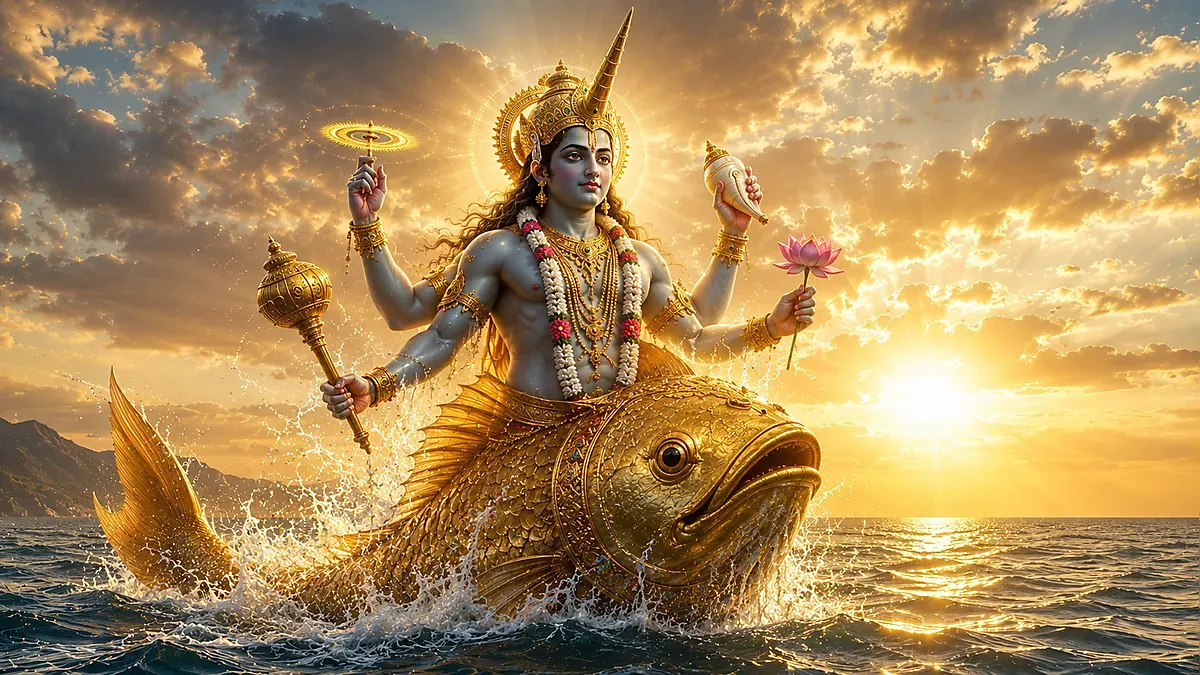
Matsya (Avatar profile)
Planned avatar profile; confirm textual and lineage-specific accounts before publication.
Coming soon

Kurma (Avatar profile)
Planned avatar profile; confirm textual and lineage-specific accounts before publication.
Coming soon

Varaha (Avatar profile)
Planned avatar profile; confirm textual and lineage-specific accounts before publication.
Coming soon
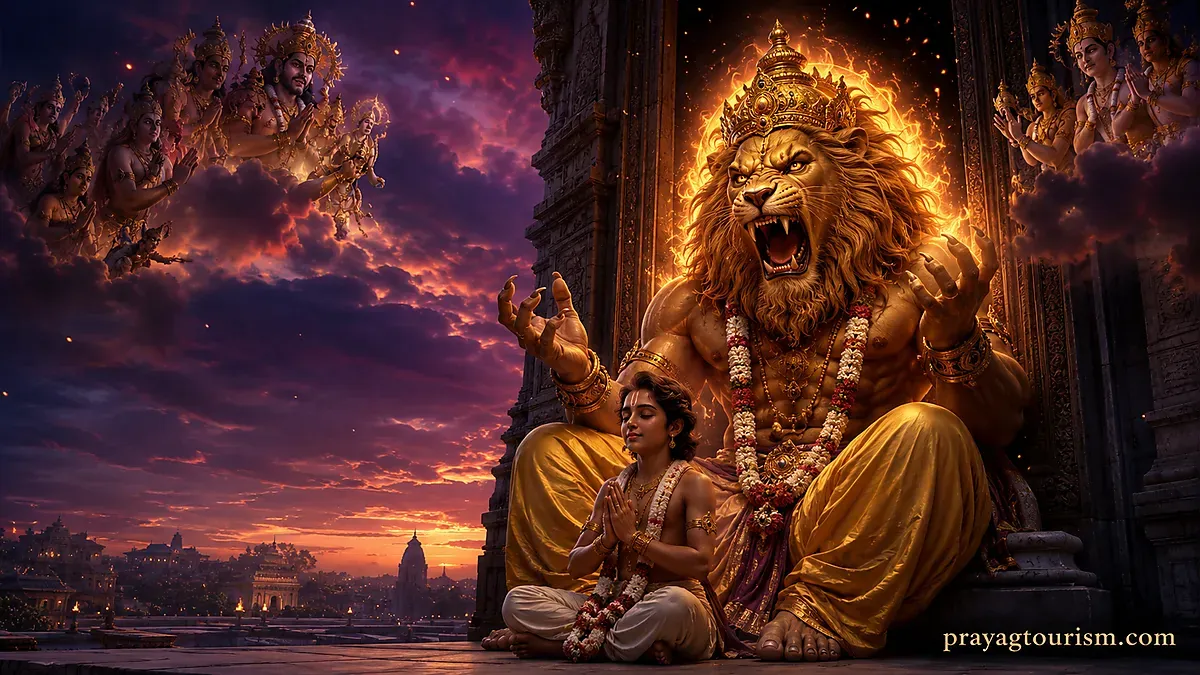
Narasimha (Avatar profile)
Planned avatar profile; confirm textual and lineage-specific accounts before publication.
Coming soon

Vamana (Avatar profile)
Planned avatar profile; confirm textual and lineage-specific accounts before publication.
Coming soon

Parashurama (Avatar profile)
Planned avatar profile; confirm textual and lineage-specific accounts before publication.
Coming soon

Rama (Avatar profile)
Planned avatar profile; confirm textual and lineage-specific accounts before publication.
Coming soon

Krishna (Avatar profile)
Planned avatar profile; confirm textual and lineage-specific accounts before publication.
Coming soon

Buddha (Avatar profile)
Planned avatar profile; confirm textual and lineage-specific accounts before publication.
Coming soon
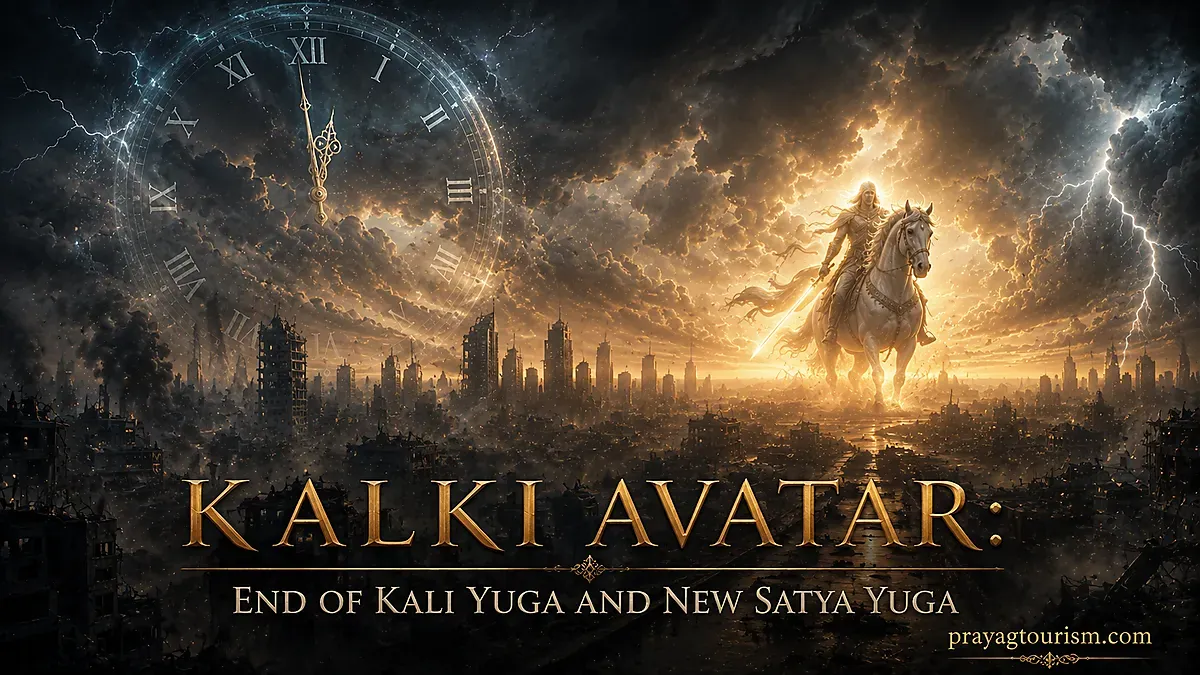
Kalki (Avatar profile)
Planned avatar profile; confirm textual and lineage-specific accounts before publication.
Coming soon
Related Prayag Tourism reading
Related Prayag Tourism reading
- Maa Vindhyavasini Temple: Vindhyachal Guide
- Mankameshwar Temple Prayagraj
- Shakti Peethas and Devi Temples of Prayagraj
Sources and editorial context
Separate scriptural accounts, traditional beliefs, philosophical interpretations, historical evidence and modern scholarship. Attribute translations and quotations, avoid unsupported medical claims, and verify changing travel or festival details against current local sources.