
Deity · Hinduism knowledge portal
Shiva
Shiva is encountered across varied scriptural, iconographic and devotional traditions; this page is a research draft, not a single universal account.
1. Introduction and Sanskrit Etymology
Shiva holds a foundational place within Hindu Deities and Avatars on the Prayag Hinduism Portal. In Sanskrit philology and religious studies, its meaning is rooted in precise linguistic usage: Śiva literally means ‘The Auspicious, Gracious, and Benevolent One’, paired in the Vedas with Rudra (‘The Roarer or Remover of Sorrow’), Mahādeva (‘Great God’), Ādiyogī, Naṭarāja, and Paśupati. Across Hindu tradition, Shiva connects scriptural revelation (Śruti), remembered tradition (Smṛti), philosophical inquiry (Darśana), ritual practice (Upāsanā), and sacred geography (Encyclopaedia Britannica – Shiva). In Hindu theology and Śilpa Śāstra iconography, every divine form (nāma-rūpa), emblem (āyudha), hand gesture (mudrā), and sacred mount (vāhana) serves as a visual and contemplative window into the infinite qualities of the Supreme Reality.
2. Historical and Traditional Background
Primary scriptures and classical treatises that document and illuminate Shiva include: Ṛgveda (Rudra hymns: 1.114, 2.33, 7.46; Tryambaka Mantra 7.59.12); Yajurveda (Śrī Rudram / Śatarudrīya); Śvetāśvatara Upaniṣad; Śiva, Liṅga, and Skanda Purāṇas; Śaiva Āgamas; Śiva Sūtras of Vasugupta; Tirumuṟai. (IGNCA – Avatara and Deity Traditions in Indian Culture). Its historical trajectory spans key epochs of Indian civilization: Integrates prehistoric yogic prototypes, the Vedic deity Rudra-Śiva praised in the Śrī Rudram, the Upanishadic Maheśvara of the Śvetāśvatara Upaniṣad, and the Puranic and Āgamic traditions of Śaiva Siddhānta, Kashmir Śaivism (Trika), Vīraśaivism (Liṅgāyata), and Nātha Siddha lineages. Academic scholarship reads these primary texts alongside epigraphic, archaeological, and manuscript evidence to distinguish traditional narrative, theological commentary, and historical chronology accurately.
“Om tryambakaṃ yajāmahe sugandhiṃ puṣṭi-vardhanam / urvārukam iva bandhanān mṛtyor mukṣīya māmṛtāt” — “We worship the Three-Eyed Lord (Śiva), who is fragrant with grace and nourishes all beings; may He liberate us from death for the sake of immortality, even as a ripe cucumber is effortlessly severed from its vine.” (Ṛgveda 7.59.12 (Mahāmṛtyuñjaya Mantra), Encyclopaedia Britannica – Shiva)
3. Main Concepts and Philosophical Explanation
The core conceptual and theological structure of Shiva has been articulated by sages (ṛṣis) and commentators (ācāryas) across centuries: Examines Śiva’s paradoxical and all-encompassing nature: He is simultaneously the supreme ascetic (Mahāyogī / Dakṣiṇāmūrti, seated in silent contemplation on Mount Kailāsa) and the loving householder united with Pārvatī (Śakti) and father of Gaṇeśa and Kārttikeya; He is both the fierce dissolver of ignorance and cosmic illusion at the end of time (Rudra / Bhairava / Mahākāla) and the compassionate healer (Vaidyanātha) who drank the cosmic poison halāhala during the churning of the ocean, becoming Nīlakaṇṭha (the Blue-Throated One). Within the pluralistic spectrum of Hinduism, Vaiṣṇava, Śaiva, Śākta, and Smārta lineages alongside the six classical darśanas (IEP – Hindu Philosophy) interpret these principles through complementary lenses of knowledge (jñāna), devotion (bhakti), righteous action (karma), and meditation (dhyāna).
4. Important Aspects, Classifications, and Editorial Scope
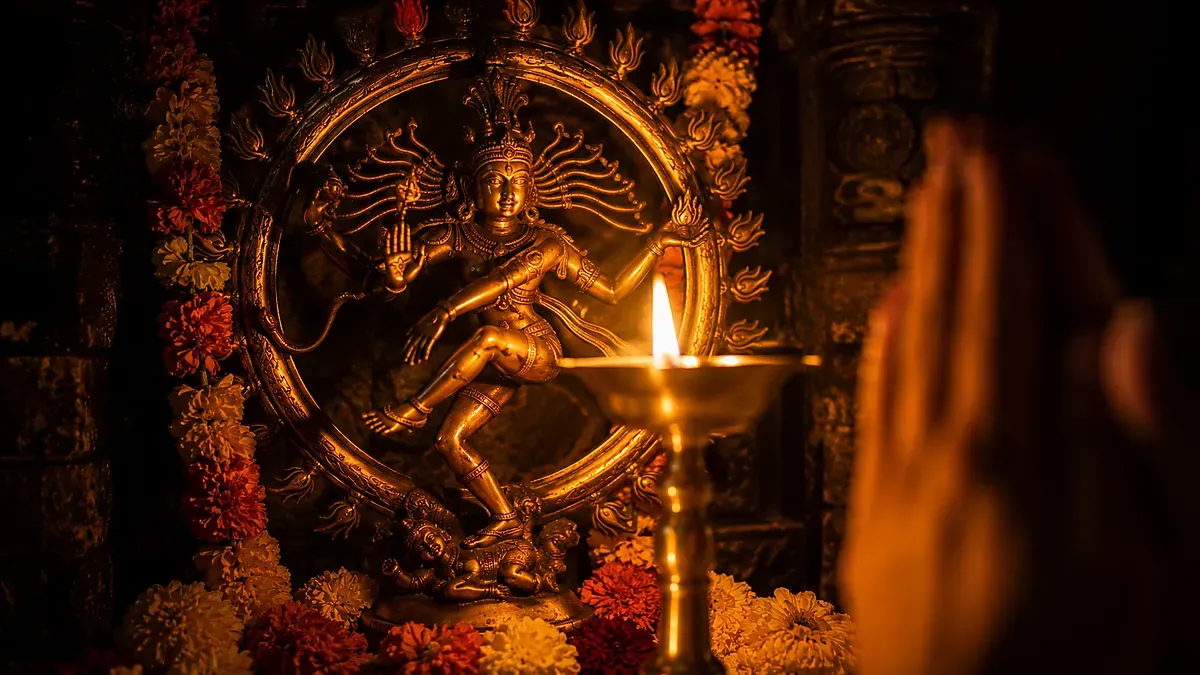
Key classifications, structural subdivisions, and traditional varieties of Shiva include: Analyzes Śiva’s two principal modes of representation: (1) the aniconic Śivaliṅga (representing the infinite, beginningless and endless pillar of cosmic light jyotiḥ-stambha and the union of Śiva and Śakti); and (2) rich anthropomorphic forms—including Naṭarāja (Lord of the Cosmic Dance performing the Ānanda-tāṇḍava of creation, preservation, dissolution, veiling, and grace), Dakṣiṇāmūrti (the south-facing silent Guru), and Ardhanārīśvara—alongside His iconographic symbols: matted locks (jaṭāmukuṭa) holding the descending Gaṅgā and crescent moon (Candramauli), third eye (tryambaka), sacred ash (vibhūti/bhasma), rudrākṣa beads, serpent (Vāsuki), trident (triśūla), hourglass drum (ḍamaru), and sacred bull Nandī. Editorial differentiation within this portal: Provides the comprehensive theological, scriptural, and iconographic profile of Lord Śiva.
5. Regional Traditions and Contemporary Relevance
Across the diverse regions of India and the global diaspora, Shiva is sustained through living customs, seasonal observances, and pilgrimage networks: Worshipped at the Twelve Jyotirliṅgas (led by Kāśī Viśvanāth in Varanasi, Somnāth, Mahākāleśvara, Kedārnāth, and Rāmeśvaram), the Pañca Bhūta Sthalams of South India, and ancient shrines in Prayagraj (Manakāmeśvara and Someshwar Mahādeva). At the sacred confluence city of Prayagraj (Tīrtharāja)—where the Gaṅgā, Yamunā, and invisible Sarasvatī meet at the Triveni Sangam—pilgrims, scholars, and monastic orders from every corner of India converge, keeping this heritage vibrant and relevant for contemporary seekers.
6. Frequently Asked Questions
What are the primary scriptural sources for Shiva?
Primary sources include Ṛgveda (Rudra hymns: 1.114, 2.33, 7.46; Tryambaka Mantra 7.59.12); Yajurveda (Śrī Rudram / Śatarudrīya); Śvetāśvatara Upaniṣad; Śiva, Liṅga, and Skanda Purāṇas; Śaiva Āgamas; Śiva Sūtras of Vasugupta; Tirumuṟai., studied alongside classical Sanskrit commentaries and vernacular traditions (Encyclopaedia Britannica – Shiva).
How do diverse Hindu traditions interpret Shiva?
Different sampradāyas (Vaiṣṇava, Śaiva, Śākta, Smārta) and philosophical schools highlight distinct metaphysical, devotional, or ritual facets while sharing core commitments to dharma and mokṣa (IGNCA – Avatara and Deity Traditions in Indian Culture).
How does this article differ from related portal pages?
Provides the comprehensive theological, scriptural, and iconographic profile of Lord Śiva.
7. Conclusion
In summary, Shiva exemplifies the spiritual depth, intellectual rigor, and living diversity of Hinduism, offering enduring insight for students, pilgrims, and readers on PrayagTourism.com.
References and Further Reading
Primary Scriptures: Ṛgveda (Rudra hymns: 1.114, 2.33, 7.46; Tryambaka Mantra 7.59.12); Yajurveda (Śrī Rudram / Śatarudrīya); Śvetāśvatara Upaniṣad; Śiva, Liṅga, and Skanda Purāṇas; Śaiva Āgamas; Śiva Sūtras of Vasugupta; Tirumuṟai. (Ṛgveda 7.59.12 (Mahāmṛtyuñjaya Mantra)).
Academic & Institutional: Encyclopaedia Britannica – Shiva; IGNCA – Avatara and Deity Traditions in Indian Culture; GRETIL Archive; IIT Kanpur Gita Supersite.
Government & Heritage: IGNCA (Ministry of Culture); Vedic Heritage Portal; Prayag Tourism Heritage Guides.
Related pages
Related Prayag Tourism reading
Related Prayag Tourism reading
- Maa Vindhyavasini Temple: Vindhyachal Guide
- Mankameshwar Temple Prayagraj
- Shakti Peethas and Devi Temples of Prayagraj
Sources and editorial context
Separate scriptural accounts, traditional beliefs, philosophical interpretations, historical evidence and modern scholarship. Attribute translations and quotations, avoid unsupported medical claims, and verify changing travel or festival details against current local sources.