
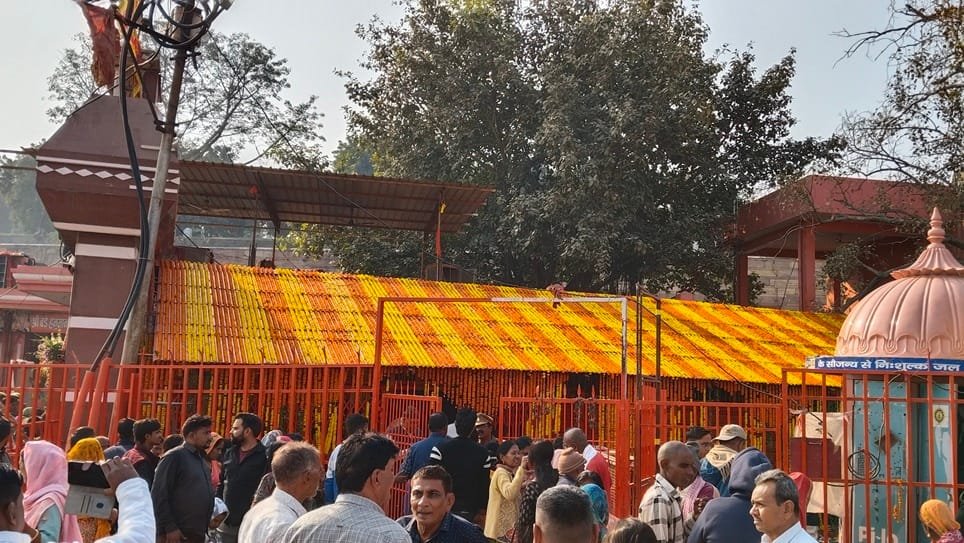
Lete Hanuman Temple, Prayagraj: History, Significance, and Travel Guide
Prayagraj is one of the most sacred cities in India, known for its spiritual energy, ancient traditions, and the holy confluence of rivers. Among its many religious landmarks, Lete Hanuman Temple stands out as one of the most unique and deeply respected temples in the city. Also known as Bade Hanuman Ji Mandir or Shri Lete Hue Hanuman Ji Temple, this shrine attracts devotees, pilgrims, and tourists throughout the year. Its special reclining idol of Lord Hanuman, its connection with the Sangam, and the legends surrounding its origin make it one of the must-visit places in Prayagraj.
For anyone planning a religious trip to Prayagraj, this temple is more than just a stop on the map. It is a place where faith, history, and local culture come together in a powerful way. Visitors often come here after taking a holy dip at the Sangam, believing that darshan of Hanuman ji completes their pilgrimage.
Why Lete Hanuman Temple is famous
The main reason this temple is famous is its rare reclining form of Lord Hanuman. In most Hanuman temples across India, the deity is shown standing, sitting, or in an active posture. But here, Hanuman ji is seen lying down, which makes this temple especially distinctive. Because of this posture, the temple is popularly called Lete Hanuman Mandir, meaning the temple of the reclining Hanuman.
This unique idol has become a powerful symbol of devotion for the people of Prayagraj. Many devotees believe that Hanuman ji here protects the city and blesses all sincere worshippers. The temple has gained huge popularity not only among locals but also among pilgrims who visit Prayagraj for the Kumbh Mela, Magh Mela, or regular temple tourism.
History of Lete Hanuman Temple
The history of the temple is a blend of faith, legend, and local belief. Different stories are associated with its origin, and these stories have been passed down through generations. One tradition says that the idol was discovered near the Sangam area and later established as a temple at the present site. Another popular belief connects the temple with an ancient spiritual incident involving saints and rulers of the region.
According to local tradition, the temple is very old and has been a center of worship for centuries. Some accounts describe it as being several hundred years old, while others connect its establishment with holy men who recognized the place as spiritually powerful. Because the temple lies close to the sacred river confluence, it naturally became an important pilgrimage point over time.
The story behind the reclining posture of Hanuman ji is also deeply meaningful. Devotees believe that after completing a divine mission, Lord Hanuman rested at this spot. This symbolic resting form is said to represent strength, service, and divine protection. Whether seen as history or legend, the story gives the temple its emotional and spiritual depth.
Spiritual importance of the temple
Lete Hanuman Temple holds a very special place in the heart of devotees. Hanuman ji is widely worshipped as the remover of obstacles, giver of courage, and protector from negative forces. People come here to pray for strength, health, peace, job success, family well-being, and relief from problems.
The temple is especially important because of its location near the Triveni Sangam, where the Ganga, Yamuna, and the invisible Saraswati are believed to meet. Pilgrims often consider a visit to the temple incomplete without first visiting the Sangam. Many people believe that after bathing at the holy confluence, offering prayers at Lete Hanuman Temple brings complete spiritual satisfaction.
The temple is also considered powerful during special days such as Tuesdays, Saturdays, Hanuman Jayanti, and major Hindu festivals. On these occasions, the number of devotees increases sharply, and the temple atmosphere becomes especially vibrant with chants, flowers, incense, and devotional energy.
Temple architecture and surroundings
The temple is located in the Daraganj area of Prayagraj, very close to the riverbank and the Sangam zone. Because of its location, the temple has a peaceful yet lively atmosphere. The surrounding area reflects the sacred character of Prayagraj, with ghats, narrow lanes, pilgrims, and other religious sites nearby.
The temple complex also includes other shrines and divine images, which makes it a more complete spiritual destination. Visitors often find the environment simple, traditional, and centered on devotion rather than grand modern architecture. That simplicity itself adds to the temple’s charm.
The riverbank setting is another reason people remember this place. During certain seasons, especially when the water level rises, the surrounding area gives the temple a very unique look. This strong connection with the river makes the temple feel deeply linked to the identity of Prayagraj itself.
Why people visit here
There are many reasons people come to Lete Hanuman Temple. Some come for religious faith, some for curiosity, and some because the temple is part of their Prayagraj pilgrimage route. The most common reasons include:
- To seek blessings of Lord Hanuman for courage and protection.
- To visit one of the most unique Hanuman temples in India.
- To complete a pilgrimage after taking a bath at the Sangam.
- To experience the spiritual atmosphere of Prayagraj.
- To offer prayers on Tuesdays, Saturdays, and festival days.
- To see the famous reclining idol of Hanuman ji.
For tourists, the temple is also important because it tells a story about the living culture of Prayagraj. It is not only a place of worship but also a part of the city’s heritage and identity.
Best time to visit
The best time to visit Lete Hanuman Temple is between October and March, when the weather in Prayagraj is more comfortable. During these months, temple visits and sightseeing become easier, especially for families, elderly pilgrims, and tourists.
If you want a quieter experience, early morning is usually the best time. The temple is generally more peaceful at that hour, and you can offer prayers without much crowd. If you want a more energetic atmosphere, evenings and festival days are better, though they can be crowded.
During Kumbh Mela and Magh Mela, the temple becomes very busy, so travelers should plan carefully. If you are visiting during these periods, it is better to keep extra time for traffic and foot movement in the temple area.
How to reach Lete Hanuman Temple
Reaching the temple is not difficult because Prayagraj is well connected by rail, road, and air. The temple is located fairly close to the city’s main transport points.
By train
The nearest major railway access points are:
- Prayagraj Junction.
- Prayag Station.
- Rambagh Station.
From any of these stations, you can easily take an auto-rickshaw, taxi, or local transport to Daraganj or the Sangam area. The temple is not very far from the city center, but travel time may increase during peak hours or religious events.
By road
If you are coming by bus or car, you can reach the temple through the main Prayagraj city roads leading toward Daraganj and the riverfront area. Public transport is available from most parts of the city. During crowded periods, it is better to park at a suitable distance and walk to the temple if needed.
By air
The nearest airport is Prayagraj Airport (Bamrauli Airport). From the airport, visitors can hire a taxi or cab to reach the temple area. The road journey is straightforward and generally takes less time compared to long-distance city travel.
Nearby places to visit
A trip to Lete Hanuman Temple can easily be combined with other important attractions in Prayagraj. Some nearby places include:
- Triveni Sangam.
- Allahabad Fort area.
- Other temples near Daraganj.
- River ghats and pilgrimage spots.
- Anand Bhavan and city heritage areas, if you want to mix spiritual and cultural sightseeing.
This makes the temple a useful part of a full Prayagraj travel plan. Many visitors come here as part of a one-day or two-day itinerary.
Travel tips for visitors
A few simple tips can make your visit smoother:
- Wear comfortable clothes and footwear.
- Keep some cash for offerings and local transport.
- Visit early if you want fewer crowds.
- Respect local customs and queue rules.
- Be careful during rainy or high-water seasons near the riverbank.
- If possible, combine the visit with Sangam darshan for a more complete pilgrimage experience.
If you are coming with elderly family members, it is better to plan the visit in the morning when the heat and crowd are lower. For first-time visitors, hiring a local auto or guide can also help save time.
Conclusion
Lete Hanuman Temple is one of the most meaningful religious places in Prayagraj. Its rare reclining idol, sacred location near the Sangam, and strong devotional value make it an essential stop for pilgrims and tourists alike. The temple reflects the spiritual soul of the city and remains an important part of its religious landscape.
Whether you are visiting for faith, history, or cultural exploration, this temple offers a memorable experience. It is a place where tradition feels alive and where the devotion of countless generations can still be felt today.
FAQ
1. Where is Lete Hanuman Temple located?
Lete Hanuman Temple is located in the Daraganj area of Prayagraj, near the holy Sangam.
2. Why is it called Lete Hanuman Temple?
It is called Lete Hanuman Temple because the idol of Lord Hanuman is in a reclining or lying posture.
3. What is the best time to visit the temple?
The best time to visit is from October to March, especially in the early morning.
4. How far is the temple from Prayagraj Junction?
The temple is around a short drive from Prayagraj Junction, and can be reached easily by auto or taxi.
5. Is the temple important during Kumbh Mela?
Yes, the temple becomes especially important and crowded during Kumbh Mela and Magh Mela.
6. Can tourists visit the temple easily?
Yes, tourists can visit easily by train, road, or air. It is one of the most accessible spiritual places in Prayagraj.