
Prayag Tourism · Ghat
Tulsi Ghat
Tulsi Ghat connects the riverfront with the memory of Tulsidas, Ramcharitmanas recitation and performance traditions. It is a useful place to see how literary heritage can remain part of public religious life.
1. Introduction: The Literary and Cultural Cradle of Southern Kashi
Situated immediately north of Assi Ghat along the peaceful southern stretch of the Varanasi riverfront, Tulsi Ghat is one of the most culturally significant landmarks in North India (District Varanasi Official Portal). Originally known in ancient Puranic texts as Lolark Ghat after the adjacent solar water tank (Lolark Kund), the ghat was renamed in the sixteenth century to honour the great Bhakti saint-poet Goswami Tulsidas (1532–1623 CE), who lived in the stone mansion overlooking its steps and composed substantial portions of the Ramcharitmanas, Vinaya Patrika, Kavitavali, and Hanuman Bahuk right here by the flowing Ganga (Navigating the Ghats of Varanasi).
Today, Tulsi Ghat remains a living cultural institution. Under the stewardship of the Mahant of Sankat Mochan Temple and the Sankat Mochan Foundation (headquartered right on the ghat), Tulsi Ghat seamlessly unites sixteenth-century literary heritage, traditional Indian mud wrestling (Akhada Kushti), open-air sacred theatre (Ramlila and Krishnalila), and contemporary river-conservation advocacy.
2. Historical Background: From Lolark Ghat to Tulsidas's Residence
Historical records and architectural studies (Navigating the Ghats of Varanasi; Vetted Stories of Kashi & Sarnath PoIs) document that the ghat originally took its name from Lolark Aditya, the oldest of the twelve solar shrines (Dwadasha Adityas) of Kashi (VAR-015). During the late sixteenth century, after facing hostility from orthodox Sanskrit pandits near the central ghats for writing the story of Lord Rama in the vernacular Awadhi language, Goswami Tulsidas relocated to the quiet southern riverbank at Assi-Lolark.
Here, on the elevated bastion overlooking the river bend, Tulsidas established a shrine to Sankat Mochan Hanuman (facing south toward the direction he believed Hanuman stood while listening to the Ramayana) and completed his literary works. In 1742 CE, the stone steps and embankments of Tulsi Ghat were fortified by the Maratha administrator Balaji Bajirao Peshwa, and further concrete and stone reinforcements were added in the twentieth century to counter severe riverbank erosion along the outer curve of the Ganga.
3. Sacred Relics and Shrines at Tulsi Ghat
Visitors climbing the steps of Tulsi Ghat into the upper residential and temple courtyard can view several preserved historical artefacts associated with Goswami Tulsidas (subject to custodian schedules and respectful requests):
- Tulsidas’s Room and Hanuman Shrine: A small, atmospheric room at the northern crest of the ghat where Tulsidas lived and meditated, housing the stone image of Hanuman installed by the poet himself, alongside a revered seventeenth-century manuscript leaf of the Ramcharitmanas, his wooden sandals (khadau), and a piece of the wooden boat he used on the Ganga (Navigating the Ghats of Varanasi).
- Lolark Kund ( adjacent to the upper lane): Just steps behind the ghat stands the deep, rectangular stepwell of Lolark Kund, accessed by three steep staircases descending over 15 metres below street level (VAR-015). On Lolark Shashthi (the sixth day of the bright fortnight of Bhadrapada, August/September), hundreds of thousands of couples bathe in this tank praying for childbirth and children’s welfare.
4. Living Cultural Traditions: Akhada Kushti, Nag Nathaiya & Dhrupad Mela
Tulsi Ghat is famous across Varanasi for three vibrant living traditions that visitors can witness directly on its stone terraces:
- Swaminath Akhada (Traditional Mud Wrestling): Every morning between 6:00 AM and 8:30 AM, local wrestlers (pehlwans)—Wait: including both men and, since 2017 in a historic progressive reform led by the Sankat Mochan Foundation, young women wrestlers—exercise with heavy wooden clubs (mugdals and jori), climb ropes, and practice grappling in the circular red-earth wrestling pit (akhada) under the shade of ancient neem and peepal trees overlooking the Ganga.
- The Nag Nathaiya Festival (Kartik Shukla Chaturthi): Founded by Goswami Tulsidas himself as part of his open-air Krishnalila, the annual Nag Nathaiya festival takes place in October/November during the month of Kartik. A young boy portraying Lord Krishna leaps from a high kadamba tree branch hanging over Tulsi Ghat directly into the River Ganga and emerges minutes later standing triumphantly atop the giant multi-hooded effigy of the serpent Kaliya, watched by tens of thousands of spectators packed onto boats and balconies, traditionally including the Maharaja of Kashi in his royal barge.
- Dhrupad Mela: Every year in February/March around the auspicious occasion of Maha Shivaratri, Tulsi Ghat hosts the multi-night International Dhrupad Mela (VAR-049), bringing India’s foremost exponents of the ancient Dhrupad classical vocal and instrumental tradition to perform through the night under open skies.
5. Environmental Stewardship: The Sankat Mochan Foundation
Visitors interested in the ecological preservation of the River Ganga will also recognize Tulsi Ghat as the base of the Sankat Mochan Foundation (SMF), founded in 1982 by the late Mahant Prof. Veer Bhadra Mishra (a professor of hydraulic engineering at IIT-BHU and hereditary Mahant of Sankat Mochan Temple) and now led by his son, Prof. Vishwambhar Nath Mishra (Varanasi UP Tourism Brochure). The Foundation operates the Swachh Ganga Research Laboratory at Tulsi Ghat, monitoring water quality and educating students and pilgrims on river conservation.
6. Visitor Guidance and Practical Tips
The best way to experience Tulsi Ghat is on foot right after attending the sunrise Subah-e-Banaras cultural programme at neighbouring Assi Ghat (VAR-041). Walk north for just three minutes from Assi Ghat to reach the Swaminath Akhada platform while the wrestlers are completing their morning training routines. Visitors are welcome to watch the akhada practice quietly from the perimeter wall; always ask permission before photographing individual athletes or entering the upper courtyard rooms of the Tulsidas memorial.
7. Conclusion
Tulsi Ghat captures the very soul of Banaras—where timeless devotion to Rama and Hanuman coexists with physical discipline, classical music, and civic dedication to Mother Ganga. It is an indispensable stop on any southern riverfront walk or literary pilgrimage in Varanasi.
C. Practical Visitor Information
- Location: Tulsi Ghat, Bhadaini / Assi Area, Southern Riverfront, Varanasi, Uttar Pradesh – 221005 (District Varanasi Official Portal).
- How to Reach: Walk 250 metres north from Assi Ghat (VAR-020) along the riverfront steps (3 minutes on foot), or take an auto-rickshaw/cab to Assi Ghat Crossing or Bhadaini Road and walk 5 minutes into the Tulsi Ghat lane.
- Best Time to Visit: Year-round; 6:00 AM to 8:30 AM daily to witness traditional Akhada exercises, October–November (Kartik Shukla Chaturthi) for the Nag Nathaiya festival, and February–March (around Maha Shivaratri) for the Dhrupad Mela.
- Visiting Hours: Ghat steps and outdoor terraces are open 24 hours daily; the upper Tulsidas shrine and relic rooms typically open during morning and evening worship hours (6:00 AM – 11:00 AM and 4:00 PM – 8:00 PM, subject to custodian availability).
- Entry Fee: Free for all visitors.
- Duration Required: Approximately 45 to 60 minutes (estimated).
- Nearby Attractions: Assi Ghat (VAR-020, 250 metres south), Lolark Kund (VAR-015, 100 metres inland), Sankat Mochan Hanuman Temple (VAR-009, ~1.5 km southwest), Durga Kund (VAR-010, ~1 km west), and Chet Singh Ghat (VAR-027, ~600 metres north).
- Visitor Advice: Maintain respectful silence around the morning wrestling pit (akhada) and always request permission before taking close-up photographs of wrestlers or priests.
D. Frequently Asked Questions (FAQs)
1. What was the original name of Tulsi Ghat?Tulsi Ghat was originally called Lolark Ghat after the adjacent Lolark Aditya Sun shrine and stepwell (Lolark Kund), before being renamed in honour of the sixteenth-century poet-saint Goswami Tulsidas (Navigating the Ghats of Varanasi).
2. Did Goswami Tulsidas really live at Tulsi Ghat?Yes, historical and literary traditions record that Goswami Tulsidas spent the final decades of his life (until his passing in 1623 CE) at this ghat, where he composed parts of the Ramcharitmanas, Vinaya Patrika, and Hanuman Bahuk.
3. What time can visitors watch traditional mud wrestling (Kushti) at Tulsi Ghat?Wrestlers at the Swaminath Akhada on Tulsi Ghat typically practice between 6:00 AM and 8:30 AM every morning.
4. What is the Nag Nathaiya festival at Tulsi Ghat?Nag Nathaiya is an annual water-theatre enactment held in October/November (Kartik Shukla Chaturthi) in which a boy playing Lord Krishna leaps from a kadamba tree into the Ganga to subdue the mythical serpent Kaliya.
5. Where is Lolark Kund located in relation to Tulsi Ghat?Lolark Kund is located in the Bhadaini lane just 100 metres behind the upper terrace of Tulsi Ghat (VAR-015).
6. Is there an entry fee for the Dhrupad Mela at Tulsi Ghat?No, the annual Dhrupad Mela held at Tulsi Ghat around Maha Shivaratri is traditionally open free of charge to music lovers and pilgrims.
Choose your next chapter
Continue your journey
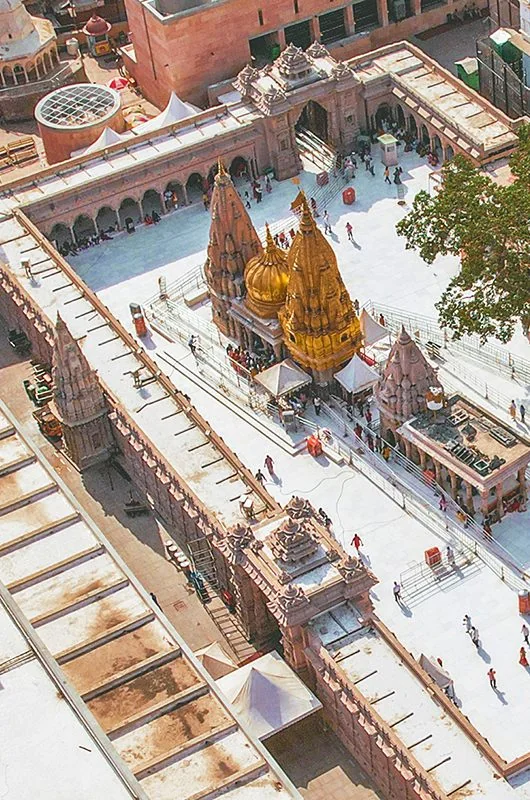
Temples of Varanasi
Varanasi's temples form a network of different deities, neighbourhoods and devotional practices. Kashi Vishwanath is a major focus, but smaller shrines reveal the diversity of the city's sacred life.
Explore guide →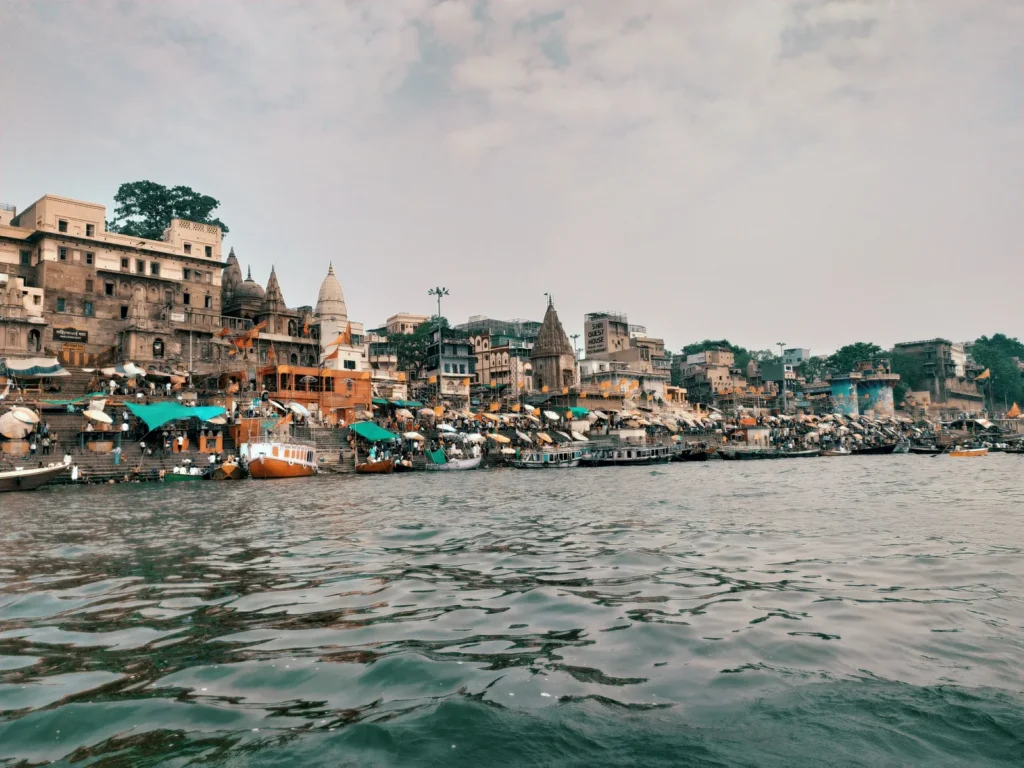
Ghats of Varanasi
The ghats are the city's meeting place with the Ganga: stepped river edges used for worship, movement, gathering and everyday work. They are connected, but each has a name and history worth learning.
Explore guide →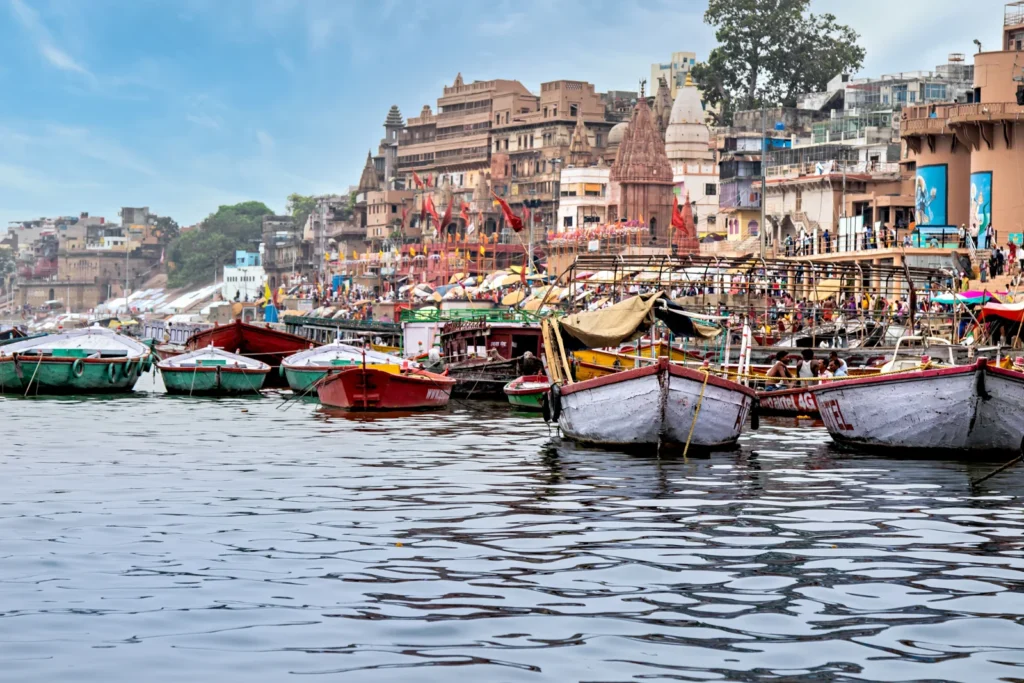
Things to Do in Varanasi
Things to do in Varanasi range from quiet observation to structured visits. The best selection depends on whether your interest is pilgrimage, history, culture, food or time beside the river.
Explore guide →No matching guides. Try a broader search.
Locate the area
Open a place-name search and confirm the exact venue and approach before travelling. No unverified coordinates or embedded tracking map are used.
Open map search: Tulsi Ghat, Varanasi, Uttar Pradesh, India ↗Explore the Hinduism knowledge portal
A journey shaped around you
Plan your time in Kashi
Tell us your dates, interests and travel needs. Request a tailored proposal with clear inclusions before confirming any service.
Enquiry only · Availability and prices require confirmation · No payment is taken here