
Prayag Tourism · Ghat
Kedar Ghat
Kedar Ghat is closely associated with Gauri Kedareshwar and with Shiva worship. The supplied sources emphasise connections with pilgrims from southern India, showing how Kashi accommodates many regional traditions.
1. Introduction: The Anchor of Kedar Khand
Rising along the southern curve of the Varanasi riverfront in a striking vertical pattern of crimson and white stripes, Kedar Ghat is one of the oldest, cleanest, and most spiritually resonant bathing ghats in Kashi (District Varanasi Official Portal). While the central ghats around Dashashwamedh buzz with commercial spectacle and boat brokers, Kedar Ghat preserves an atmosphere of quiet, deeply rooted orthodox devotion. It serves as the riverside gateway to Gauri Kedareshwar Temple (listed under VAR-017), the presiding shrine of Kedar Khand—the traditional southern sacred sector of Varanasi.
For centuries, Kedar Ghat has been the spiritual home away from home for pilgrims and monastic scholars from Tamil Nadu, Andhra Pradesh, Telangana, Karnataka, and Kerala, alongside Bengali householders and widows residing in the adjoining Bhelupur and Sonarpura neighbourhoods (Navigating the Ghats of Varanasi). Whether you approach its steep stone steps by boat at dawn or walk through the aromatic lanes of Bengali Tola, Kedar Ghat offers an authentic immersion into the multicultural spiritual fabric of Banaras.
2. Historical and Architectural Evolution
According to historical and architectural surveys compiled by the Indian Institute of Public Administration and National Mission for Clean Ganga (Navigating the Ghats of Varanasi) as well as the vetted heritage records of Kashi (Vetted Stories of Kashi & Sarnath PoIs), the antiquity of the Kedareshwar sacred precinct predates the medieval reconstruction of the northern ghats. Epigraphic and textual references in the Kashi Khanda of the Skanda Purana and twelfth-century Gahadavala-era digests praise Kedara Tirtha as one of the foremost riverine bathing spots in Kashi.
The ghat’s current stone steps, retaining walls, and upper pavilion structures were substantially fortified during the late eighteenth century under the patronage of Maharaja Vijayanagara and southern Indian monastic trusts, particularly the Kumara Swamy Matt, which administers key religious endowments in the neighbourhood. In the mid-twentieth century, the state government of Uttar Pradesh reinforced the lower masonry tiers to withstand the strong monsoon currents that sweep around the southern bend of the river.
3. Religious and Cultural Significance: Why Kedar Ghat Is Sacred
In the sacred geography of Varanasi, the city is divided into three primary sectors (Khandas): Omkareshwar Khand in the north, Vishweshwar Khand in the centre, and Kedar Khand in the south (Vetted Stories of Kashi & Sarnath PoIs). Devotees who bathe at Kedar Ghat and worship the self-manifested (Swayambhu) Gauri Kedareshwar Jyotirlinga at the top of the steps believe they receive religious merit equivalent to undertaking the arduous high-altitude pilgrimage to Kedarnath in the Garhwal Himalayas—Indeed, traditional Puranic verses state that Kashi’s Kedareshwar is seven times more accessible and spiritually fruitful for householders unable to trek to Uttarakhand.
What makes the shrine atop Kedar Ghat unique is the physical form of the Lingam: rather than a smooth cylindrical shaft, it is a rough, rock-like natural outcrop split into two halves by a central line, representing Lord Shiva and Goddess Gauri (Ardhanarishwara) united in an eternal embrace, and worshipped with direct offerings of khichdi (rice and lentils).
4. Key Landmarks and Features on the Steps
A careful exploration of Kedar Ghat reveals several distinctive sacred features embedded directly into its stone tiers:
- Gauri Kund (Parvati Kund): Situated on the lower northern edge of the ghat steps just above the dry-season water level, Gauri Kund is a rectangular stone-lined basin filled with sacred water that local tradition attributes to the penance of Goddess Parvati (Vetted Stories of Kashi & Sarnath PoIs). Pilgrims sprinkle water from Gauri Kund over their heads after bathing in the Ganga, believing its waters possess healing properties.
- The Red-and-White Striped Temple Facade: Following the unmistakable South Indian temple convention where alternating vertical bands of red ochre (kavi) and white limewash signify sacred purity and divine energy, the outer walls of the Gauri Kedareshwar complex crown the top of the steep staircase, making Kedar Ghat one of the easiest landmarks to spot from a river boat.
- Tarakeshwar and Secondary Lingams: Along the intermediate landings and niches of the staircase sit smaller shrines dedicated to Tarakeshwar Mahadev, Nandi, and Hanuman, where resident Brahmin priests chant Vedic hymns (Rudram and Chamakam) in classic South Indian intonation every morning.
- Changing Rooms and Bathing Platforms: The lower steps are broad and well-maintained, equipped with safety chains for ritual bathers and municipal changing enclosures for women.
5. What Visitors Can Experience at Kedar Ghat
- Morning Ritual Bathing and Vedic Chanting (5:30 AM – 8:30 AM): Arrive shortly after sunrise to witness South Indian and Bengali pilgrims performing Surya Arghya (offering water to the rising sun) while temple bells and nadaswaram melodies echo down from the Kedareshwar portico.
- Climbing the Steep Steps to Gauri Kedareshwar: Ascend the forty-plus stone steps from the river edge directly into the brass-clad courtyard of the temple to witness the morning abhishekam and midday khichdi bhog (Vetted Stories of Kashi & Sarnath PoIs).
- Exploring the Sonarpura and Bengali Tola Lanes: Step out through the western street exit of Kedar Ghat into the bustling lanes of Sonarpura and Bengali Tola, famous for traditional South Indian filter coffee stalls, idli-dosa kitchens, Bengali sweet shops selling freshly steamed sandesh, and handloom silk dealers.
- Quiet Evening Aarti: Unlike the crowded amphitheatre at Dashashwamedh, Kedar Ghat hosts an intimate, deeply devotional evening Ganga Aarti performed by local priests where visitors can sit metres from the water without jostling crowds.
6. Visitor Guidance, Safety, and Etiquette
Because the stone staircase leading up from the water to the Gauri Kedareshwar Temple entrance is relatively steep and frequently wet from bathers carrying Ganga water in brass pots, visitors should wear footwear with good grip until they reach the shoe-deposit stand outside the temple threshold. Senior citizens or travellers with knee mobility challenges should approach the temple and upper ghat terrace via the Sonarpura road entrance by e-rickshaw rather than climbing up from a boat at low water levels. Photography of the exterior red-and-white steps and Gauri Kund from the riverfront is permitted, but photography inside the Gauri Kedareshwar sanctum is strictly prohibited.
7. Conclusion
Kedar Ghat exemplifies the living synthesis of North and South Indian sacred traditions that makes Varanasi the spiritual capital of India. Combining Kedar Ghat with a morning walk from Assi Ghat (VAR-020) to Dashashwamedh Ghat (VAR-019) gives travellers a rich, unhurried window into the everyday devotional heartbeat of Kedar Khand.
C. Practical Visitor Information
- Location: Kedar Ghat, Sonarpura / Bhelupur Ward, Southern Riverfront, Varanasi, Uttar Pradesh – 221001 (District Varanasi Official Portal).
- How to Reach: Take an auto-rickshaw or e-rickshaw to Sonarpura Crossing (~350 metres west of the ghat) and walk 5 minutes through the Kedar Ghat lane; or walk along the riverside promenade (~1.2 km north of Assi Ghat or ~1.1 km south of Dashashwamedh Ghat); or arrive directly by boat (VAR-040).
- Best Time to Visit: October to March; between 5:30 AM and 8:30 AM for morning rituals or 5:30 PM and 7:30 PM for evening aarti and temple darshan.
- Visiting Hours: The ghat steps and riverfront are open 24 hours daily; the adjacent Gauri Kedareshwar Temple typically opens from 4:00 AM to 12:00 PM and 4:00 PM to 10:30 PM (confirm seasonal festival schedules locally).
- Entry Fee: Free for all visitors.
- Duration Required: Approximately 45 to 60 minutes (estimated).
- Nearby Attractions: Gauri Kedareshwar Temple (VAR-017, on the ghat), Harishchandra Ghat (VAR-022, ~200 metres south), Vijayanagaram Ghat and Chauki Ghat (immediately north), Lalita Ghat (VAR-027), and Assi Ghat (VAR-020).
- Visitor Advice: Walk carefully on wet stone steps near Gauri Kund; carry small change for shoe minders at the temple entrance; respect the privacy of morning ritual bathers when taking photographs.
D. Frequently Asked Questions (FAQs)
1. Why is Kedar Ghat painted in red and white vertical stripes?The red-and-white vertical stripes reflect traditional South Indian temple wall markings (Tirunamam / Kavi bands), maintained by the South Indian monastic trusts that manage the Gauri Kedareshwar Temple complex atop the ghat (Navigating the Ghats of Varanasi).
2. What is Gauri Kund at Kedar Ghat?Gauri Kund is a sacred rectangular water tank built into the lower northern flank of Kedar Ghat, associated in Hindu tradition with Goddess Parvati’s penance (Vetted Stories of Kashi & Sarnath PoIs).
3. Is Kedar Ghat safe for bathing in the Ganga?Kedar Ghat has wide stone steps and safety chains, making it one of the most popular bathing ghats in southern Varanasi, though swimmers should always remain on the shoreward side of the safety barriers and avoid deep currents during the monsoon.
4. How can elderly visitors reach Kedar Ghat without climbing steep steps?Elderly visitors can take an e-rickshaw to Sonarpura Crossing and walk along the level street lane directly to the upper entrance of Gauri Kedareshwar Temple, avoiding the steep riverside staircase.
5. Can I find South Indian vegetarian food near Kedar Ghat?Yes, the lanes around Kedar Ghat, Sonarpura, and Hanuman Ghat host several long-established South Indian mess halls and cafes serving authentic filter coffee, idli, dosa, and thali meals.
6. How far is Kedar Ghat from Dashashwamedh Ghat?Kedar Ghat is approximately 1.1 kilometres south of Dashashwamedh Ghat, a pleasant 15-minute walk along the continuous riverfront steps during the dry season.
Choose your next chapter
Continue your journey
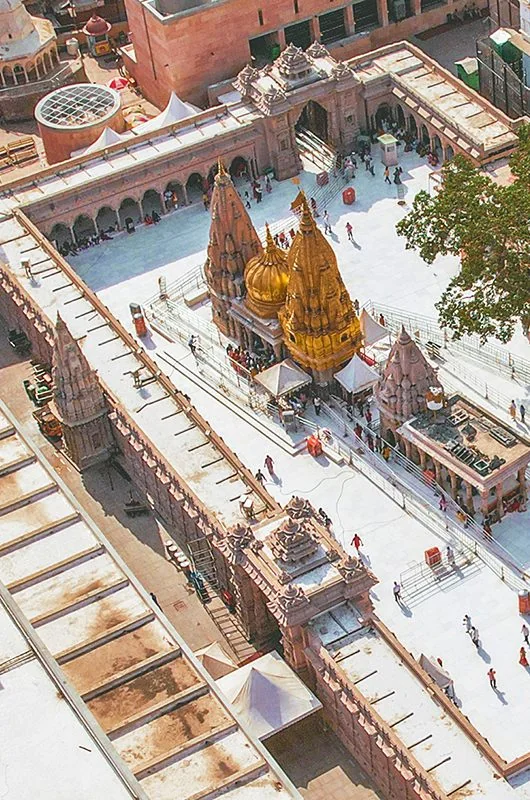
Temples of Varanasi
Varanasi's temples form a network of different deities, neighbourhoods and devotional practices. Kashi Vishwanath is a major focus, but smaller shrines reveal the diversity of the city's sacred life.
Explore guide →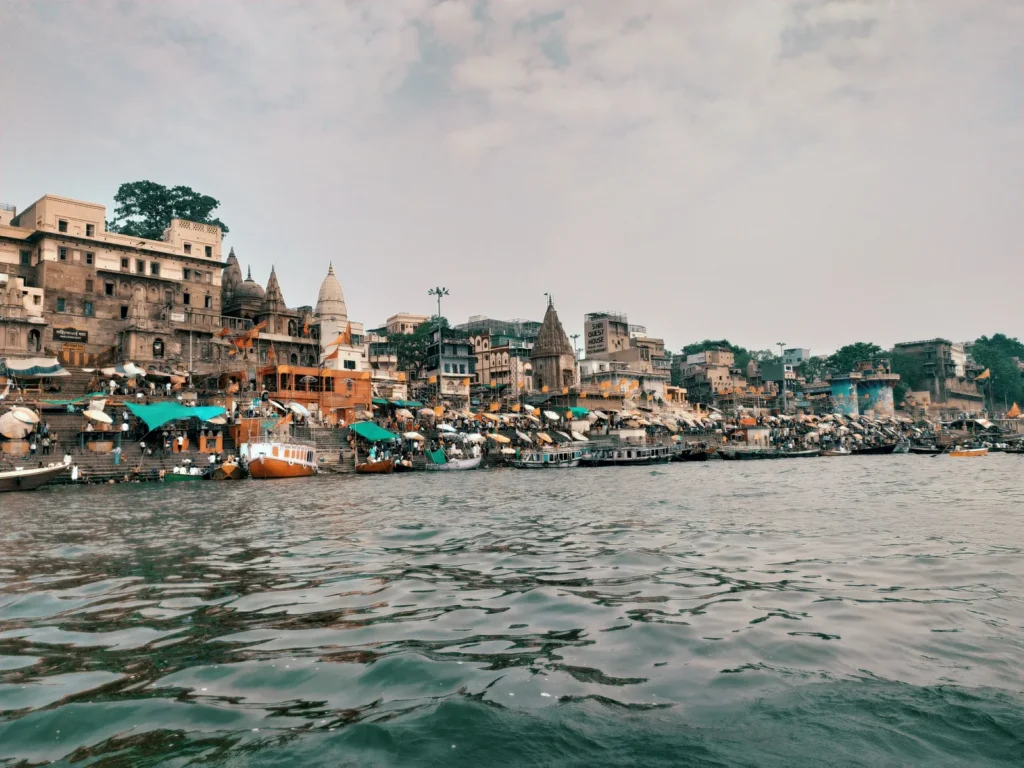
Ghats of Varanasi
The ghats are the city's meeting place with the Ganga: stepped river edges used for worship, movement, gathering and everyday work. They are connected, but each has a name and history worth learning.
Explore guide →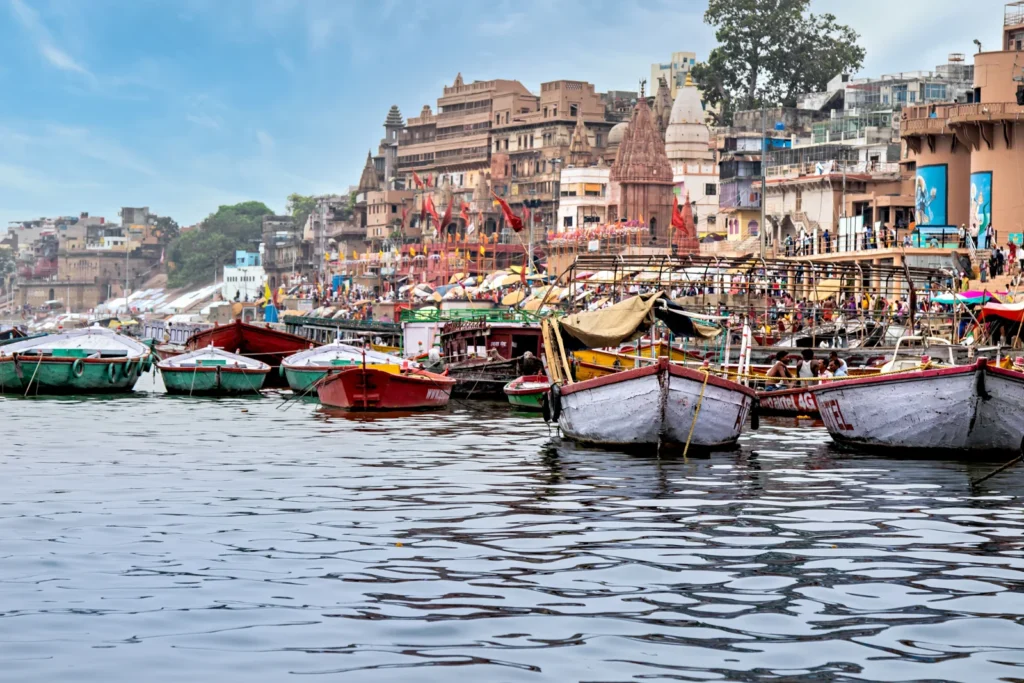
Things to Do in Varanasi
Things to do in Varanasi range from quiet observation to structured visits. The best selection depends on whether your interest is pilgrimage, history, culture, food or time beside the river.
Explore guide →No matching guides. Try a broader search.
Locate the area
Open a place-name search and confirm the exact venue and approach before travelling. No unverified coordinates or embedded tracking map are used.
Open map search: Kedar Ghat, Varanasi, Uttar Pradesh, India ↗Explore the Hinduism knowledge portal
A journey shaped around you
Plan your time in Kashi
Tell us your dates, interests and travel needs. Request a tailored proposal with clear inclusions before confirming any service.
Enquiry only · Availability and prices require confirmation · No payment is taken here