
Prayag Tourism · Temple
Sankatha Devi Temple
Sankatha Devi is a neighbourhood Goddess shrine associated with the removal of distress. It offers a more local view of devotion than a route limited to the largest temple precincts.
1. Introduction: The "Goddess of Remedy" in the Lanes Above Sankatha Ghat
Walk a short distance north from Manikarnika Ghat into the historic labyrinth of Sankatha Gali above Sankatha Ghat and Scindia Ghat, and you step into a courtyard filled with the fragrance of mogra (jasmine), camphor, and sweet halwa-puri offerings. This is Maa Sankatha Devi Temple (Sankata Mata Mandir)—officially described by the District Varanasi Official Portal as the sanctuary of the “Goddess of Remedy.”
Just as Lord Hanuman is worshipped in southern Varanasi as Sankat Mochan, the Divine Mother is revered here in the heart of the Old City as Maa Sankatha (Sankata—she who cuts through crises, removes domestic and personal dangers, and shields the vulnerable) (1760321416169VettedStoriesofKashi-SarnathPoIs.pdf, Entry 14). For the women and families of Banaras, Sankatha Devi is not a distant cosmic ruler; she is an intimate, listening mother to whom devotees bring wedding invitations, exam anxieties, health prayers, and family vows, especially on auspicious Fridays.
2. Scriptural Lore: The Pandavas' Exile and the Sister of Vaishno Devi
Two rich streams of traditional lore surround Maa Sankatha Devi (1760321416169VettedStoriesofKashi-SarnathPoIs.pdf, Entry 14):
- Worshipped by the Pandavas During Exile (Mahabharata Lore): According to deeply held Kashi tradition, during the Mahabharata era, before the five Pandava brothers and Queen Draupadi embarked upon their perilous thirteenth year of incognito exile (Agyatvas), Lord Krishna advised them to travel to Kashi and worship Sankatha Devi, promising that whoever seeks her shelter with a pure heart will emerge victorious from every crisis (1760321416169VettedStoriesofKashi-SarnathPoIs.pdf, Entry 14).
- Manifestation of Chandi / Vikat Matrika: In the Skanda Purana and local Shakta theology, Sankatha Devi is identified with Vikat Matrika (one of the fierce yet maternal Matrika goddesses who protect Kashi) and is popularly revered by North Indian devotees as a manifestation of Goddess Chandi and the spiritual sister of Maa Vaishno Devi (1760321416169VettedStoriesofKashi-SarnathPoIs.pdf, Entry 14).
3. History and Architecture: 18th-Century Baroda Royal Patronage
The present temple complex and the adjoining riverfront steps of Sankatha Ghat were constructed in the late 18th century (and expanded in the early 19th century) through the royal patronage of the Gaekwad Maharaja of Baroda (1760321416169VettedStoriesofKashi-SarnathPoIs.pdf, Entry 14).
Stepping through the temple gateway from the narrow flagstone lane, visitors discover several distinctive architectural and sacred features (Temples Of Importance | District Varanasi; 1760321416169VettedStoriesofKashi-SarnathPoIs.pdf, Entry 14):
- The 1.5-Metre Self-Manifested (Swayambhu) Idol: Inside the silver-plated garbhagriha stands an imposing 1.5-metre-tall (approximately 5-foot) idol of Maa Sankatha Devi, believed in local tradition to have manifested on its own (Swayambhu). Flanked on either side by protective idols of Lord Hanuman and Lord Bhairav, the Goddess is adorned in red and gold Banarasi silk and silver ornaments. Notably, during permitted darshan windows, devotees are allowed to bow and touch the sacred lotus feet of the Goddess—an intimate privilege rare in many large goddess shrines (1760321416169VettedStoriesofKashi-SarnathPoIs.pdf, Entry 14).
- The Colossal Lion Statue & Ancient Fig Tree: In the open quadrangle facing the sanctum stands a huge stone statue of a Lion (the vahana of the Goddess), alongside an ancient holy fig tree (peepal/banyan) whose tangled aerial roots shelter a cluster of miniature Shiva lingams and folk shrines (Temples Of Importance | District Varanasi).
- The Nine Temples of the Nine Planets (Navagrahas): Directly adjacent to the temple premises is a remarkable cluster of nine shrines dedicated to the Nine Planets (Navagrahas), making the Sankatha Devi compound an important stop for astrological peace prayers (Temples Of Importance | District Varanasi).
4. Friday Vows (Shukravar Vrat) and Navratri Celebrations
Every Friday—the weekday sacred to the Divine Mother—thousands of women from across Varanasi and neighbouring districts gather in the courtyard of Sankatha Devi Temple to perform the traditional Sankatha Mata Vrat Katha (1760321416169VettedStoriesofKashi-SarnathPoIs.pdf, Entry 14). Sitting in small circles around the courtyard, women recite the story of the Goddess’s grace, light clarified-butter lamps, and offer sweet churma, coconuts, and red chunris. During the eighth day (Ashtami) of Navratri, the temple remains open late into the night as floral decorations (shringar) fill the entire lane.
C. Practical Visitor Information
- Location: CK 7/159, Sankatha Gali, Above Sankatha Ghat / Scindia Ghat, Chowk, Varanasi – 221001 (Temples Of Importance | District Varanasi)
- How to Reach: By Boat / Riverfront Walk: Walk ~150 metres north from Manikarnika Ghat to Scindia Ghat / Sankatha Ghat and climb the stone steps directly into Sankatha Gali. By Road + Foot: Alight at Chowk or Maidagin and walk 500–600 metres through Siddheshwari/Sankatha Gali.
- Best Time to Visit: Weekday Mornings (6:00 AM – 10:30 AM) for peaceful darshan, or Fridays to witness the vibrant traditional women’s vrat prayers.
- Visiting Hours: Approx. 5:00 AM – 12:00 Noon and 3:00 PM – 9:00 PM daily (Confirm seasonal midday closure and Friday extended hours locally).
- Entry Fee: Free for all visitors.
- Duration Required: 25 to 35 Minutes (Estimated).
- Nearby Attractions: Scindia Ghat & Leaning Ratneshwar Mahadev Temple (100 m), Sankatha Ghat (50 m), Atmavireshwar Mahadev Temple (100 m), Manikarnika Ghat (200 m south), Kashi Vishwanath Temple (400 m south).
- Visitor Advice: Pair your visit to Sankatha Devi with a morning walk along Scindia Ghat (to see the leaning Ratneshwar Mahadev temple) and the historic brassware lanes of Thatheri Bazar nearby (VAR-037).
D. Frequently Asked Questions (FAQs)
- Why is Sankatha Devi Temple called the temple of the “Goddess of Remedy”?The word Sankatha (or Sankata) means danger, trouble, or crisis. Devotees worship Maa Sankatha Devi as the compassionate mother who provides a remedy for life’s deepest difficulties, illnesses, and fears (Temples Of Importance | District Varanasi).
- How is Sankatha Devi Temple connected to the Pandavas of the Mahabharata?According to traditional Kashi lore, the five Pandava brothers worshipped Maa Sankatha Devi here before starting their incognito exile (Agyatvas) to seek her protection from discovery and danger (1760321416169VettedStoriesofKashi-SarnathPoIs.pdf, Entry 14).
- Which day of the week is most special at Sankatha Devi Temple?Friday (Shukravar) is the most auspicious day at Sankatha Devi Temple, when local women and pilgrims gather in the courtyard to recite the Sankatha Vrat Katha and offer flowers and sweets (1760321416169VettedStoriesofKashi-SarnathPoIs.pdf, Entry 14).
- What unique sculptures and shrines can be seen inside the Sankatha Devi compound?Inside the courtyard stands a large statue of a Lion facing the 1.5-metre-tall self-manifested idol of Sankatha Devi (flanked by Hanuman and Bhairav), an ancient holy fig tree with miniature shrines in its roots, and nine temples dedicated to the Nine Planets (Navagrahas) nearby (Temples Of Importance | District Varanasi).
- What is the easiest way to locate Sankatha Devi Temple without getting lost in the lanes?The easiest landmark approach is from the riverfront: walk along the ghats just past Manikarnika Ghat to Scindia Ghat and Sankatha Ghat, then take the stone staircase straight up from Sankatha Ghat into the temple lane (VAR-027).
Choose your next chapter
Continue your journey
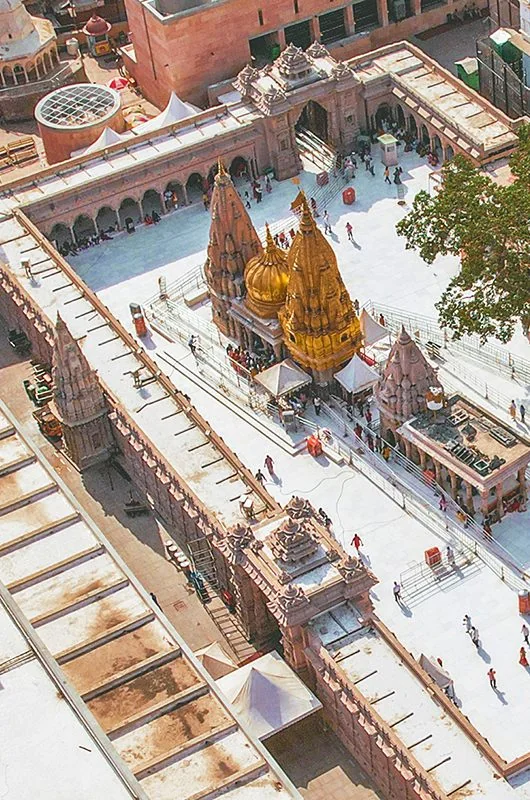
Temples of Varanasi
Varanasi's temples form a network of different deities, neighbourhoods and devotional practices. Kashi Vishwanath is a major focus, but smaller shrines reveal the diversity of the city's sacred life.
Explore guide →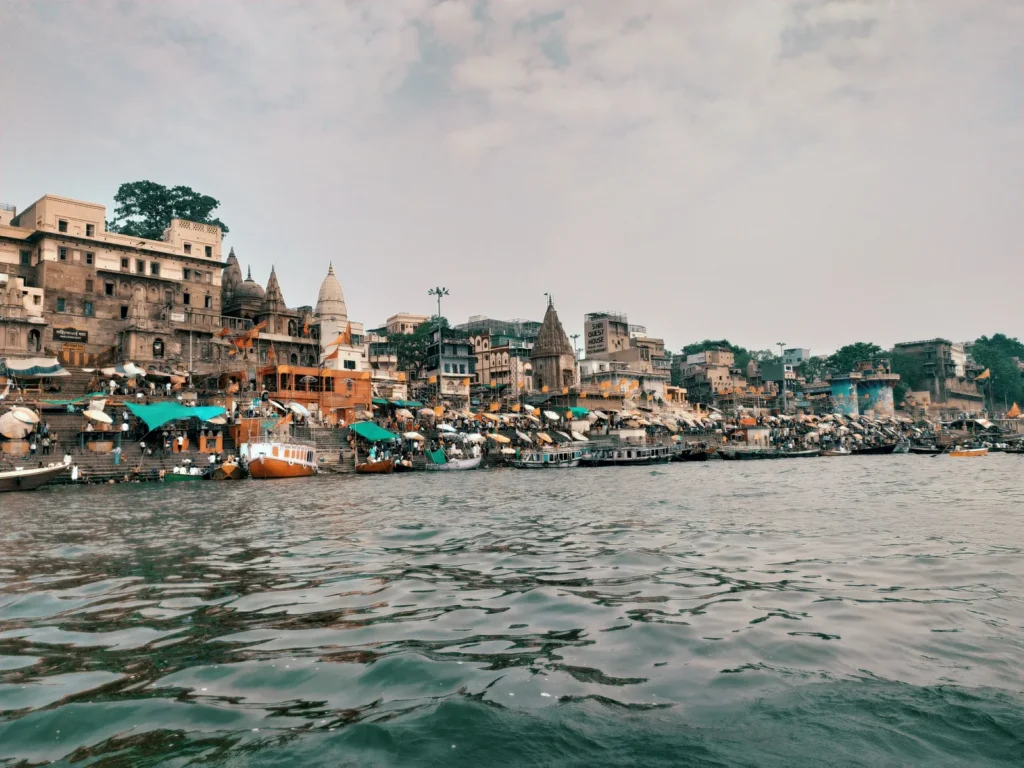
Ghats of Varanasi
The ghats are the city's meeting place with the Ganga: stepped river edges used for worship, movement, gathering and everyday work. They are connected, but each has a name and history worth learning.
Explore guide →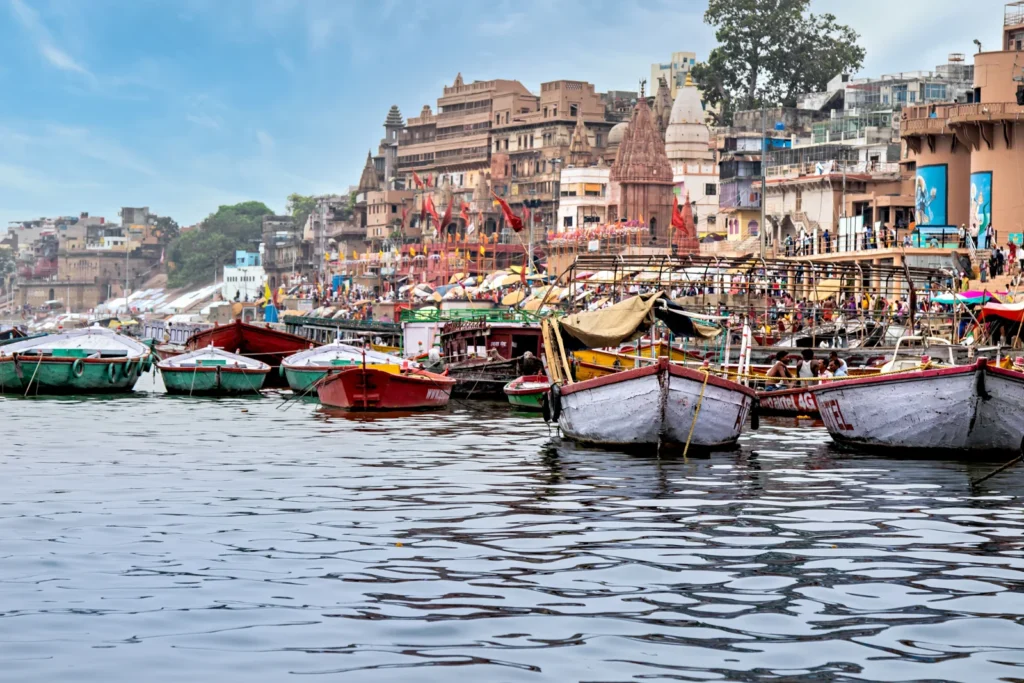
Things to Do in Varanasi
Things to do in Varanasi range from quiet observation to structured visits. The best selection depends on whether your interest is pilgrimage, history, culture, food or time beside the river.
Explore guide →No matching guides. Try a broader search.
Locate the area
Open a place-name search and confirm the exact venue and approach before travelling. No unverified coordinates or embedded tracking map are used.
Open map search: Sankatha Devi Temple, Varanasi, Uttar Pradesh, India ↗Explore the Hinduism knowledge portal
A journey shaped around you
Plan your time in Kashi
Tell us your dates, interests and travel needs. Request a tailored proposal with clear inclusions before confirming any service.
Enquiry only · Availability and prices require confirmation · No payment is taken here